Women's Health
Acne After Stopping Birth Control: Understanding and Managing Post-Pill Breakouts
January 21, 2026
2 min read

Medically reviewed by Alan Lucks | MD, Alan Lucks MDPC Private Practice - New York on January 24th, 2026.
Published on January 21st, 2026. Updated on September 11th, 2026.
Azelaic acid effectively treats acne, hyperpigmentation, and rosacea.
Concentrations range from 10% to 20% across different product formulations.
It works by reducing inflammation, fighting bacteria, and evening skin tone.
Azelaic acid is suitable for most skin types with minimal irritation potential.
The best azelaic acid products treat acne, hyperpigmentation, and rosacea with fewer side effects than many alternatives. Naturally derived from grains like wheat and barley, azelaic acid is a dermatologist-recommended ingredient that works across multiple skin concerns. This guide covers what to look for in a formula, which concentrations do what, and how to work it into your routine.
Modern research has highlighted azelaic acid's unique ability to address various skin issues without the harsh side effects associated with more aggressive treatments. Its multi-functional approach makes it a standout ingredient for those seeking comprehensive skin improvement. Fungal acne treatments often overlook the potential of this remarkable compound, but its antimicrobial properties make it particularly effective.
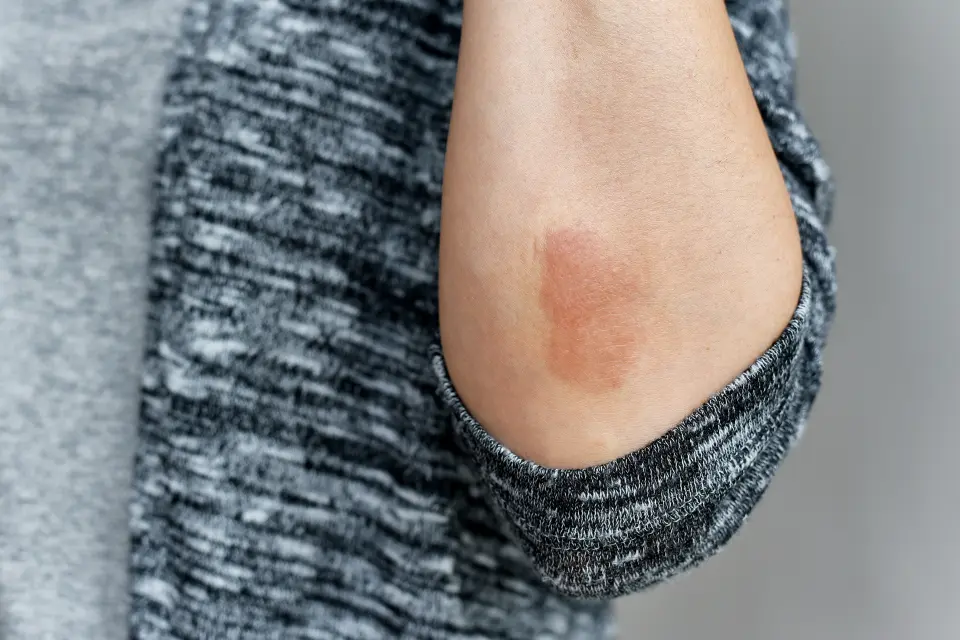
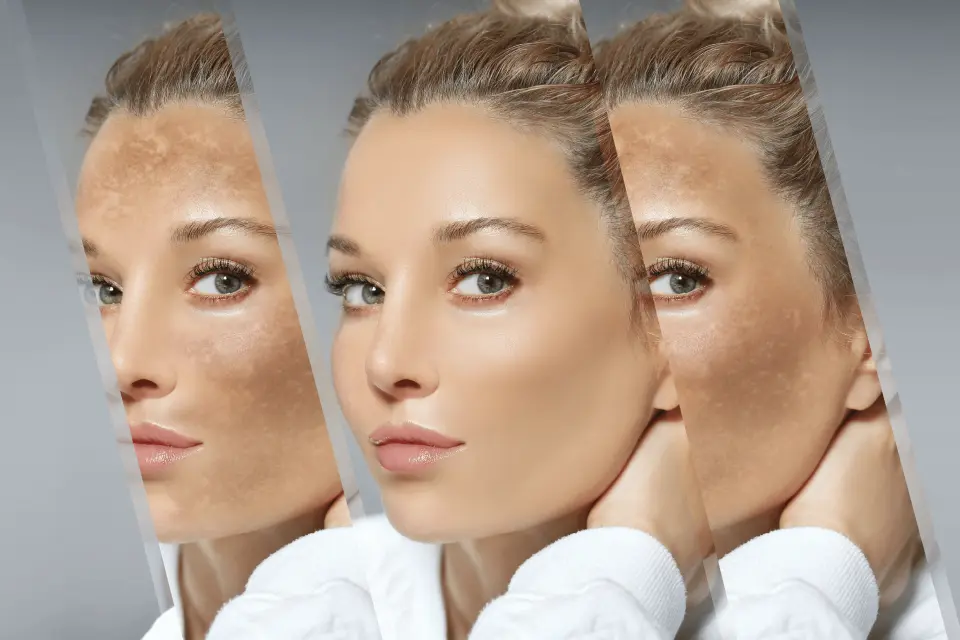
Azelaic acid works through multiple mechanisms to improve skin health. It normalizes keratinization, reduces bacterial growth, and provides anti-inflammatory benefits. The ingredient's ability to inhibit tyrosinase helps prevent hyperpigmentation, making it especially useful for those dealing with potentially life-threatening skin rashes or post-inflammatory discoloration.
Azelaic acid is available in concentrations ranging from 10% (over-the-counter) to 20% (prescription-only). Lower concentrations work well for sensitive skin and maintenance, while higher concentrations are better suited to active acne or significant hyperpigmentation. Gels tend to absorb quickly and suit oily skin, while creams and foams are gentler on dry or reactive complexions.
Selecting the ideal azelaic acid product requires careful consideration of your specific skin concerns. Over-the-counter options typically work well for mild to moderate issues, while prescription-strength formulations provide more intensive treatment. Acne treatments often benefit from the targeted approach azelaic acid provides.
With dozens of azelaic acid products on the market, the differences can be hard to spot at a glance. Knowing what actually matters will help you cut through the marketing and find a formula that fits your skin and your goals.
Over-the-counter products typically contain 10% azelaic acid. This concentration is effective for mild acne, early hyperpigmentation, and general redness associated with rosacea. Prescription formulas at 15% (foam) or 20% (gel or cream) are reserved for moderate to severe cases and require a provider's sign-off. Starting at a lower concentration is usually the right call, since your skin needs time to adjust regardless of the strength.
Gel formulas spread easily and dry down quickly, making them a natural fit for oily or acne-prone skin. Cream formulas add a layer of hydration, which helps people with dry or combination skin avoid the flaking or tightness that sometimes comes with active ingredients. Foam formulas, typically available by prescription, are lightweight and absorb fast. There is no universally superior format: the best one is the one you will actually use consistently.
Some azelaic acid products include complementary ingredients like niacinamide, which also helps with redness and uneven tone, or hyaluronic acid, which offsets any dryness. These additions can improve tolerability and results, especially for sensitive skin. On the other hand, products that combine azelaic acid with strong exfoliants like glycolic acid or retinoids may increase irritation risk, particularly when you are just getting started.
Azelaic acid is relatively stable compared to ingredients like vitamin C, but exposure to air and light can still degrade it over time. Opaque tubes and pump dispensers protect the formula better than open jars. Check the expiration date, and store your product away from direct sunlight.
If over-the-counter options have not moved the needle after 8 to 12 weeks of consistent use, talking to a provider about prescription-strength azelaic acid is a reasonable next step. Our AI doctor can help you figure out whether your skin concern warrants a stronger formulation and walk you through what to expect before your first appointment.
Incorporating azelaic acid into your skincare routine should be done gradually. Start with once-daily application, preferably in the evening, and slowly increase frequency as your skin builds tolerance. Most users can use the product both morning and night, but individual skin sensitivity varies.
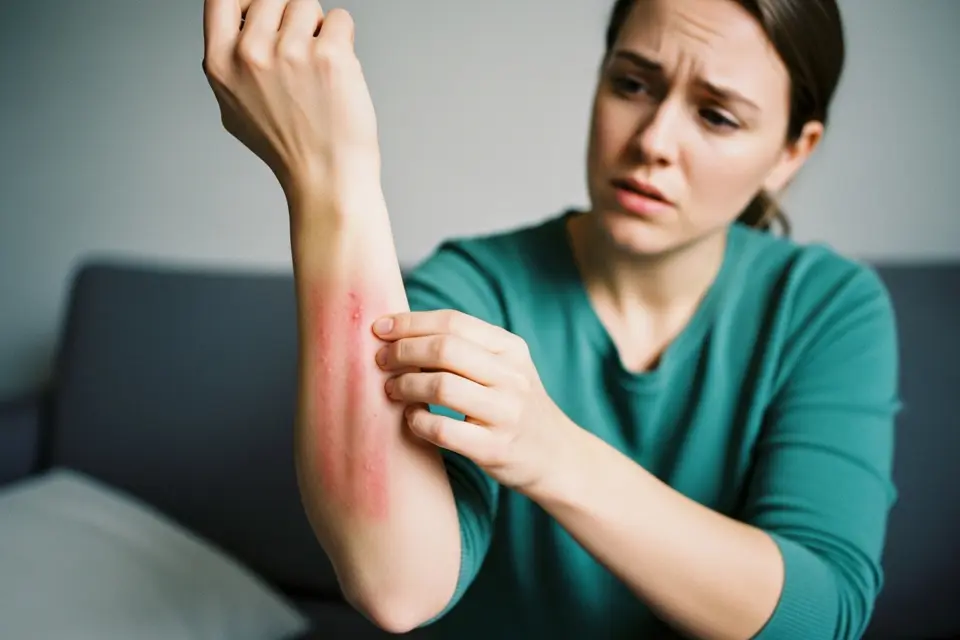
While generally well-tolerated, some individuals may experience mild irritation during initial use. Potential side effects include temporary redness, slight burning, dryness, or mild tingling. If itchy skin persists , consult a healthcare professional for personalized advice.
Is azelaic acid safe for all skin types?
Most skin types tolerate azelaic acid well, but patch testing is always recommended.
Typical improvements occur within 6-12 weeks of consistent use.
Yes, it works well with niacinamide, hyaluronic acid, and most moisturizing ingredients.
Depends on your specific skin concerns. Prescription strengths are more potent.
Avoid using with extremely harsh exfoliants or multiple active ingredients simultaneously.
Most people new to azelaic acid do well starting with a 10% over-the-counter formula. This concentration is effective for mild acne and early hyperpigmentation while giving your skin time to adjust. If you tolerate it well after 8 to 12 weeks and want stronger results, a provider can evaluate whether a prescription 15% or 20% formulation makes sense.
Azelaic acid is gentler than both retinoids and benzoyl peroxide, making it a good option for people with sensitive or reactive skin. It addresses acne, redness, and pigmentation at the same time, whereas retinoids focus mainly on cell turnover and benzoyl peroxide targets bacteria. The tradeoff is that it may work more slowly than prescription retinoids for severe acne.
Yes. Azelaic acid is one of the few topical ingredients with evidence supporting its use for rosacea. It reduces redness and visible blood vessels by calming inflammation in the skin. Prescription-strength azelaic acid foam is an FDA-approved treatment for rosacea papules and pustules.
Most people notice improvement in acne or redness within 4 to 6 weeks. For hyperpigmentation and uneven skin tone, meaningful results typically take 8 to 12 weeks of consistent use. Sticking to a daily routine is the most important factor in how quickly you see changes.
Azelaic acid is generally considered one of the safer topical ingredients for use during pregnancy, and it is sometimes recommended as an alternative to ingredients like retinoids that carry higher risk. That said, you should talk to your OB or a provider before adding any active ingredient to your routine while pregnant. Our AI doctor can help you think through your options.
Azelaic acid offers a versatile and effective solution for multiple skin concerns. From addressing acne to evening out skin tone, this ingredient provides comprehensive skincare benefits with minimal irritation. Ready to meet your AI doctor? Get started with Doctronic today.
Get personalized health advice
Chat Now
Join 50,000+ readers using Doctronic to understand symptoms, medications,
and next steps.
Add your phone number below to get health updates and exclusive VIP offers.
By providing your phone number, you agree to receive SMS updates from Company. Message and data rates may apply. Reply “STOP” to opt-out anytime. Read our Privacy Policy and Terms of Service for more details.
Save your consults. Talk with licensed doctors and manage your health history.