
Get Spinal Stenosis Treatment Online
Spinal stenosis causes back and leg pain that can make everyday life difficult. Doctronic connects you with licensed physicians who can evaluate your symptoms and recommend a personalized treatment plan, all from the comfort of your home.


What Is Spinal Stenosis?
Spinal stenosis is a degenerative condition marked by narrowing of the spinal canal, which compresses the spinal cord or nerve roots and causes pain, numbness, tingling, and weakness in the back and limbs. It can limit walking ability, reduce quality of life, and progress over time without proper management. With the right treatment and support, many people with spinal stenosis can reduce pain, maintain mobility, and continue their daily activities.
- Narrowing of the spinal canal that compresses nerves, most commonly in the lumbar or cervical spine
- Get personalized guidance from doctor-trained AI
- Explore treatment and prescription options

Is Online Spinal Stenosis Treatment Right for You?
Doctronic can support adults who have been diagnosed with spinal stenosis or who are experiencing symptoms such as chronic back pain, radiating leg pain (neurogenic claudication), numbness, or weakness that may be consistent with spinal stenosis. Our physicians can review your history and imaging reports to recommend appropriate non-surgical management options.
Because spinal stenosis primarily affects the musculoskeletal and neurological systems, it is important to share details about your spine health, prior imaging studies, current medications, and any neurological symptoms you have experienced. This information helps our licensed physicians tailor a safe and effective treatment plan for you.
- Diagnosed with lumbar or cervical spinal stenosis
- Get personalized guidance from AI and clinicians
- Explore treatment and prescription refill options
- Access care from home, often the same day

Medications We Prescribe for Spinal Stenosis

Mobic
Meloxicam
A once-daily NSAID commonly prescribed to reduce inflammation and relieve pain associated with spinal stenosis and musculoskeletal conditions.
Neurontin
Gabapentin
An anticonvulsant also used to treat neuropathic pain and radicular symptoms caused by nerve compression in spinal stenosis.
Flexeril
Cyclobenzaprine
A muscle relaxant used short-term to relieve muscle spasm and associated pain that can accompany spinal stenosis.
Lidoderm
Lidocaine Patch 5%
A topical local anesthetic patch applied directly to painful areas to provide localized relief from chronic back pain in spinal stenosis.
How Spinal Stenosis Treatment Works at Doctronic

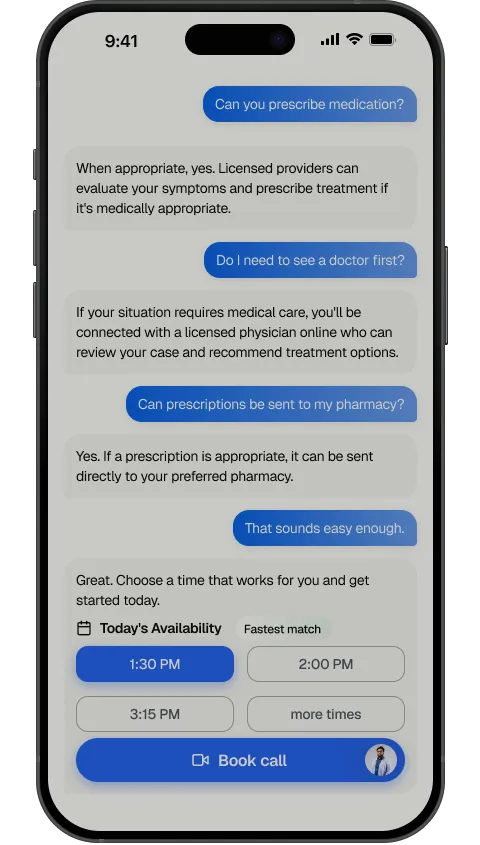
Chat With The #1 AI Doctor
Doctronic answers your health questions with personalized medical insights and helps our doctors create a better treatment plan for you.

Meet With a Licensed Doctor For Treatment
Book a $39 telehealth appointment (or copay) within 30 minutes. Our doctors create personalized treatment plans with prescriptions when needed.

Pick Up Your Prescription
Our doctors prescribe non-controlled medications in all 50 states and send prescriptions to your pharmacy for same-day pickup.
Pricing that won't make you sick
Chat for free, see an online doctor for $39/visit, or refill a prescription online for as low as $0
-
 Available in all 50 states + DC
-
 Insurance accepted

- 24/7 medical care Free
- Specialist referrals Free
- Lifelong health record Free
- Unlimited questions Free
- Prescription refills Starting as low as $0
- Video visit with real doctors $39/visit
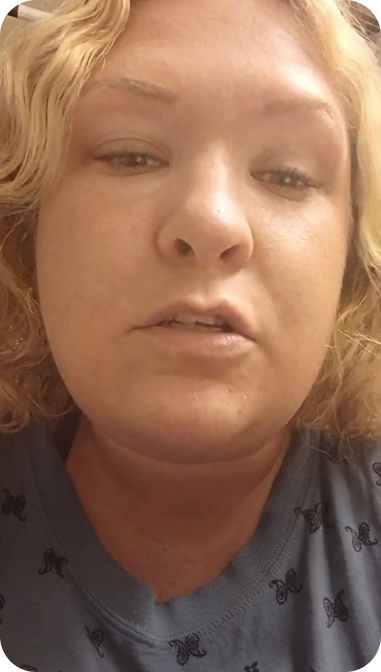
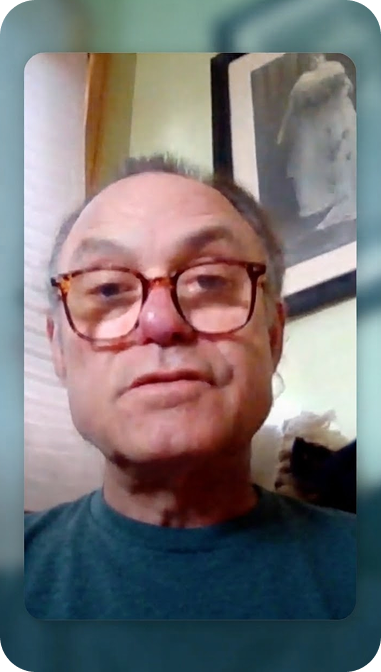
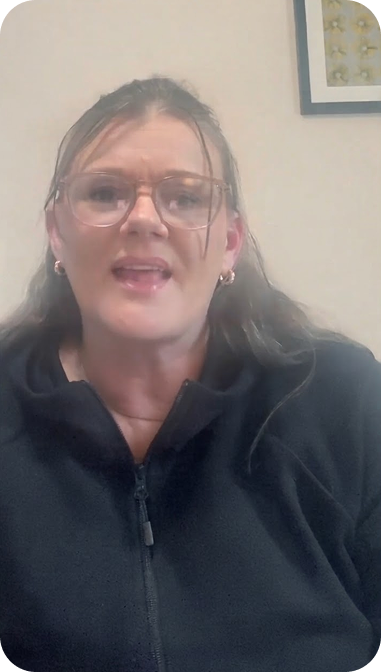
These are stories from real users who turned to Doctronic for answers when it mattered most.
- Preparing for a doctor visit
- Finding peace of mind
- Understanding a diagnosis
- Managing chronic illness
- Navigating healthcare
- A second opinion
- Improving health





Frequently asked questions
Spinal stenosis is a narrowing of the spaces within the spine that puts pressure on the spinal cord or nerves. It is most often caused by age-related degeneration such as osteoarthritis, thickened ligaments, bone spurs, or herniated discs, and it most commonly affects the lumbar (lower back) and cervical (neck) regions.
Common symptoms include pain, numbness, tingling, or weakness in the back, buttocks, legs, or arms depending on the location of the narrowing. A hallmark symptom of lumbar stenosis is neurogenic claudication, which is pain or cramping in the legs that worsens with walking or standing and improves with sitting or leaning forward.
Yes. Many people manage spinal stenosis successfully without surgery. Non-surgical options include anti-inflammatory medications, neuropathic pain medications, muscle relaxants, topical pain relief, physical therapy, and epidural steroid injections. Surgery is generally considered only when symptoms are severe or non-surgical treatments have not provided adequate relief.
Nonsteroidal anti-inflammatory drugs (NSAIDs) such as meloxicam reduce inflammation around compressed nerve roots and spinal structures, which can decrease pain and improve function. They are typically used as part of a broader pain management plan.
Gabapentin targets neuropathic (nerve-related) pain, which is a common feature of spinal stenosis due to nerve compression. It works by calming overactive nerve signals, helping to reduce burning, shooting, or tingling pain that may radiate into the legs or arms.
Yes. Staying active with low-impact exercise such as walking, swimming, or cycling can help maintain spinal flexibility. Physical therapy focusing on core strengthening and posture can reduce mechanical stress on the spine. Maintaining a healthy weight and avoiding prolonged standing or walking without rest breaks can also reduce symptom flares.
Doctronic uses an AI-powered evaluation to gather detailed information about your symptoms, medical history, and any prior imaging or diagnoses. A licensed physician then reviews your case and, if appropriate, develops a personalized treatment plan that may include prescription medications, lifestyle recommendations, and follow-up support.
Yes. Doctronic is a telehealth platform staffed by licensed physicians whose care is doctor-reviewed and audited for quality and safety. The platform is HIPAA-aligned, meaning your personal health information is protected. Doctronic is available to adults 18 and older in any U.S. state.
Top Conditions We Can Help With
People turn to Doctronic and our licensed medical team for support with all types of conditions.