Exercises involving forward bending or spinal flexion typically aggravate sciatica by increasing pressure on irritated nerves
Traditional sit-ups, crunches, and double-leg lifts compress the spine and should be avoided during flare-ups
High-impact activities like running and jumping create jarring forces that worsen nerve irritation
Safe alternatives include swimming, walking, and gentle core stability exercises that protect the spine
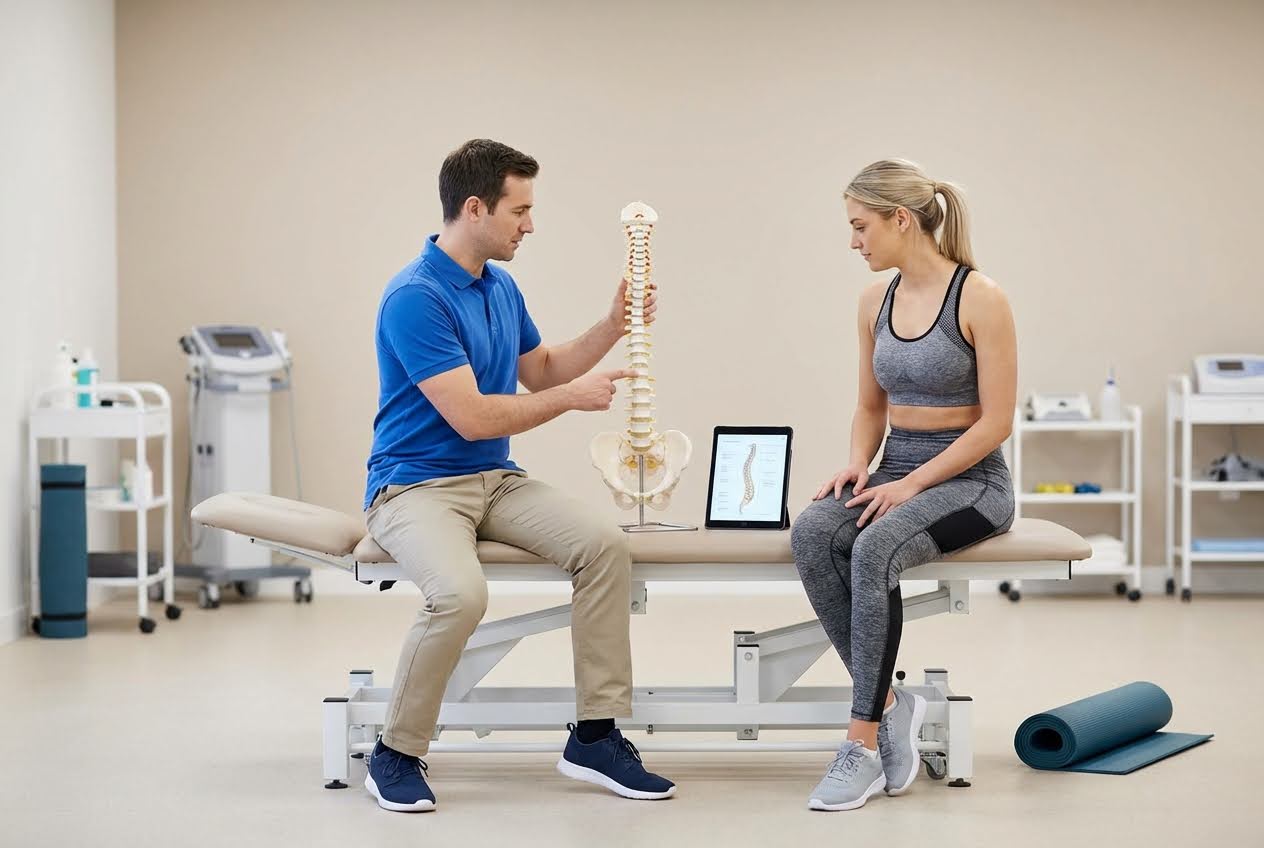
Consulting a physical therapist helps identify which specific movements trigger individual symptoms
Living with Sciatica Means Knowing Your Limits
That shooting pain down the leg affects more people than most realize. As many as 40% of Americans will experience sciatica at some point in their lives, and around 2% of people develop the condition each year. The instinct to exercise despite discomfort makes sense, but certain movements can worsen symptoms. Understanding which exercises aggravate sciatica pain separates those who recover quickly from those who suffer for months. The wrong workout can turn a minor flare-up into a debilitating episode that sidelines daily activities.
Understanding Why Certain Exercises Aggravate Sciatica
The Role of Nerve Compression and Irritation
The sciatic nerve runs from the lower back through the buttocks and down each leg. When something presses against this nerve, pain radiates along its entire path. Certain body positions increase this pressure dramatically. Typically, spinal flexion, or forward bending, makes things worse. This explains why many common exercises can exacerbate sciatica symptoms.
Disc Herniation vs. Piriformis Syndrome Considerations
The cause of sciatica determines which movements trigger pain. A disc herniation occurs when spinal disc material bulges and presses on nerve roots. Piriformis syndrome happens when the piriformis muscle in the buttocks spasms and irritates the sciatic nerve. Forward bending worsens disc-related sciatica, while hip rotation movements aggravate piriformis syndrome. Doctronic can help users understand their specific type of sciatica through AI-powered consultations that consider individual symptoms and history.
High-Risk Lower Body Exercises to Avoid
Traditional Straight Leg Raises
Straight leg raises seem harmless, but create significant problems. Lifting both legs while lying flat places enormous strain on the lower back. The movement pulls on the sciatic nerve while compressing spinal structures. Single-leg raises with proper form cause less irritation, but the traditional version belongs on the list of worst exercises for sciatica pain.
Deep Weighted Squats and Leg Presses
Heavy squats load the spine under compression while requiring hip flexion. This combination squeezes irritated discs and increases nerve pressure. Leg press machines create similar problems, especially when users bring their knees too close to their chests. Partial squats with light weight or bodyweight may be tolerable, but deep squats with heavy loads almost always worsen symptoms.
Standing Hamstring Stretches
Bending forward to touch the toes feels like it should help tight hamstrings. The reality is different. This position rounds the lower back and stretches the sciatic nerve directly. The stretch sensation people feel often comes from nerve tension, not muscle lengthening. Lying hamstring stretches with the back supported offer a safer alternative.
Core and Abdominal Movements That Increase Pain
Full Sit-ups and Crunches
The classic sit-up ranks among the worst exercises for people with sciatica. Curling the torso forward compresses the front of spinal discs, pushing material backward toward nerve roots. Crunches create the same problem with slightly less intensity. Both movements should be replaced with exercises that maintain neutral spinal alignment.
Double Leg Lifts
Lying flat and lifting both legs together appears to be a core exercise. The movement actually forces the lower back to arch dramatically while the hip flexors pull on the pelvis. This creates a perfect storm of compression and tension on the sciatic nerve. The exercise offers minimal core benefit compared to its significant risk.
Twisting Oblique Rotations
Rotational movements add shearing forces to an already irritated spine. Russian twists, bicycle crunches, and standing oblique rotations combine flexion with rotation. This combination stresses spinal structures from multiple angles simultaneously. People with sciatica should avoid twisting under load until symptoms fully resolve.
Cardiovascular Activities That Can Worsen Symptoms
High-Impact Running and Jumping
Each footstrike during running sends impact forces through the spine. Jumping creates even greater forces upon landing. These jarring movements repeatedly compress irritated structures. The cumulative effect over a 30-minute run can trigger flare-ups that last for days. Low-impact walking or water-based activities provide similar cardiovascular benefits with less risk of aggravation.
Cycling with Poor Posture
Cycling appears to be a low-impact alternative, but the hunched posture on most bikes creates problems. The forward-bent spine maintains constant pressure on nerve roots. Road bikes with aggressive positioning cause the most issues. Recumbent bikes or upright stationary bikes with proper seat height offer better options for maintaining fitness during recovery.
Safe Alternatives for Maintaining Fitness
Low-Impact Aerobic Options
Swimming provides excellent cardiovascular exercise with zero spinal compression. The water supports body weight while allowing movement in all directions. Walking on flat surfaces maintains fitness without impact stress. Elliptical machines eliminate the jarring of running while providing similar calorie burn. Water aerobics combines the benefits of swimming with structured exercise routines.
Sciatica-Friendly Core Stability
Bird dogs strengthen the core while maintaining a neutral spine. Start on hands and knees, then extend the opposite arm and leg while keeping the back flat. Dead bugs work the deep core muscles without spinal flexion. Planks build stability when held with proper alignment. These exercises build the core strength needed to protect the spine without aggravating symptoms.
Neural Flossing Techniques
Neural flossing gently mobilizes the sciatic nerve without aggressively stretching it. The technique involves small, controlled movements that slide the nerve through surrounding tissues. Sitting on a chair, straightening the knee while looking up, then bending the knee while looking down, creates a gentle flossing effect. This reduces nerve sensitivity over time when performed correctly.
When to Consult a Physical Therapist
Not all cases of sciatica respond to the same treatment approach. A physical therapist can identify the specific movements that trigger individual symptoms. They design customized exercise programs that strengthen without aggravating. They also teach proper form for daily activities that might be contributing to the problem. Doctronic offers convenient telehealth consultations with licensed doctors who can provide referrals and treatment recommendations for persistent sciatica symptoms.
Frequently Asked Questions
Yes, certain stretches aggravate sciatica significantly. Forward bending stretches and aggressive hamstring stretches pull directly on the irritated sciatic nerve. Gentle stretches that maintain a neutral spine position are safer during flare-ups.
Most people should avoid high-risk exercises until symptoms substantially improve, which often takes several weeks, though recovery times vary depending on severity and cause. Returning to activities too quickly often triggers repeat flare-ups. Gradual progression back to normal exercise prevents setbacks.
Walking is generally one of the best exercises for sciatica recovery. The gentle movement promotes blood flow to healing tissues without creating compression or impact stress. Short, frequent walks often help more than long sessions.
Light movement usually helps more than complete rest during flare-ups. Gentle walking, supported stretches, and neural flossing techniques keep tissues mobile without aggravating symptoms. Prolonged bed rest is generally discouraged as it can delay recovery.
The Bottom Line
Avoiding the worst exercises for sciatica pain prevents minor discomfort from becoming a major problem. Stick with low-impact activities, neutral spine positions, and gentle movements until symptoms fully resolve. For personalized guidance on managing sciatica, Doctronic provides free AI doctor consultations and affordable telehealth visits with licensed physicians available around the clock.
When most people think of preeclampsia, they immediately associate it with dangerously high blood pressure during pregnancy. However, a lesser-known but equally serious [...]
Panic attacks represent some of the most frightening experiences a person can endure, striking suddenly with overwhelming physical and psychological symptoms. These intense [...]
When sleepless nights become a regular occurrence, over-the-counter sleep aids offer an accessible first line of defense against insomnia. Nearly one-third of adults [...]


 High-Risk Lower Body Exercises to Avoid