
Can Stress Cause Hives? Understanding the Mind-Skin Connection
March 23, 2026
6 min read

Medically reviewed by Alan Lucks | MD, Alan Lucks MDPC Private Practice - New York on May 24th, 2026.
Published on April 17th, 2026. Updated on September 11th, 2026.
Hives affect roughly one in five people at some point, often appearing suddenly without an obvious cause.
Food additives, preservatives, and medications like NSAIDs rank among the most overlooked triggers.
Physical factors, including temperature changes, pressure from tight clothing, and sun exposure, can cause hives in sensitive individuals.
Stress, infections, and intense exercise activate the immune system in ways that release histamine.
Autoimmune conditions and thyroid disorders often underlie chronic hives lasting more than six weeks.
Doctronic.ai offers accessible AI-powered consultations and telehealth visits to help identify triggers and develop effective management strategies.
Those itchy, raised welts that seem to appear out of nowhere can be frustrating and alarming. Hives, medically known as urticaria, occur when the body releases histamine and other chemicals from mast cells in the skin. This histamine release causes blood vessels to leak fluid, creating the characteristic red, swollen patches that can range from tiny dots to large welts covering significant areas.
What triggers hives varies dramatically from person to person. While some causes seem obvious, like a bee sting or eating shellfish, many triggers hide in plain sight. Roughly one in five people will experience hives at some point, yet most never identify what sets them off. Understanding the full range of potential causes helps narrow down personal triggers and prevents future outbreaks.
The usual suspects like peanuts, shellfish, and eggs get most of the attention, but food additives cause more hives than most people realize. Sulfites in wine and dried fruits, artificial colorings in processed foods, and preservatives like sodium benzoate can all trigger reactions. Salicylates, natural compounds found in tomatoes, berries, and citrus fruits, cause problems for some individuals.
Aged cheeses, fermented foods, and processed meats contain histamine naturally. People with histamine intolerance cannot break down this compound efficiently, leading to hives after eating these foods. Keeping a detailed food diary helps identify patterns that might otherwise go unnoticed.
Aspirin and other nonsteroidal anti-inflammatory drugs trigger hives in a significant portion of the population. This reaction does not involve the immune system like a true allergy but instead affects how the body processes certain chemicals. Antibiotics, particularly penicillin and sulfa drugs, remain common culprits as well.
Blood pressure medications, especially ACE inhibitors, can cause hives even after years of use without problems. The reaction may develop gradually, making the connection difficult to recognize. Anyone experiencing new hives should review all medications, including over-the-counter products and supplements, with their healthcare provider. Doctronic.ai offers convenient ways to discuss medication concerns with licensed physicians around the clock.
Cold urticaria causes hives when skin contacts cold air, water, or objects. Swimming in cold water poses particular risks because the widespread exposure can trigger severe reactions. Heat urticaria works similarly, with warm showers, hot weather, or heated environments causing outbreaks.
Cholinergic urticaria develops when core body temperature rises, whether from exercise, hot baths, or emotional stress. The hives typically appear as small, pinpoint bumps surrounded by red flares. This type affects younger adults more frequently and often improves with age.
Delayed pressure urticaria produces hives hours after sustained pressure on the skin. Tight waistbands, bra straps, or sitting on hard surfaces for extended periods can trigger this response. The delay between exposure and reaction makes identification challenging.
Dermatographia, sometimes called skin writing, causes hives to form wherever the skin experiences friction or scratching. Even light pressure from clothing seams or carrying bags can produce welts. This condition affects up to five percent of the population and often coexists with other forms of urticaria.
Solar urticaria develops within minutes of sun exposure and typically resolves once the person moves indoors. Different wavelengths of light affect different individuals, with some reacting to visible light and others to ultraviolet rays specifically. Certain medications, including some antibiotics and blood pressure drugs, increase sun sensitivity and can contribute to these reactions.
The mind-body connection plays a significant role in hives development. Stress hormones affect mast cell behavior, making them more likely to release histamine. Anxiety, major life changes, and ongoing emotional pressure can trigger or worsen outbreaks.
This does not mean hives are imaginary or purely psychological. The physical reaction is real, but stress acts as a trigger that activates the underlying biological process. Stress management techniques, adequate sleep, and mental health support can reduce flare-up frequency.
Infections commonly trigger hives, particularly in children. Upper respiratory infections, strep throat, and urinary tract infections all cause outbreaks in susceptible individuals. The immune system's response to fighting infection sometimes misfires, releasing histamine as a byproduct.
Chronic infections, including Helicobacter pylori in the stomach and certain dental infections, contribute to ongoing hives that resist treatment. Approximately one percent of the U.S. population experiences chronic urticaria, sometimes called chronic spontaneous urticaria, and hidden infections account for a meaningful percentage of these cases. Identifying and treating underlying infections often resolves the skin symptoms.
Physical activity triggers hives in two distinct ways. Exercise-induced urticaria produces hives during or shortly after exertion, regardless of what the person ate beforehand. Food-dependent exercise-induced anaphylaxis requires both eating a specific food and exercising within a few hours, with neither trigger causing problems alone.
Wheat and shellfish commonly cause food-dependent reactions, though any food can potentially be involved. People with this condition learn to avoid eating before workouts or to identify which specific foods they must avoid before physical activity.
Chronic hives lasting more than six weeks often signal an underlying health issue. Thyroid disorders, particularly Hashimoto's thyroiditis, frequently accompany persistent urticaria. Testing thyroid function should be standard practice when evaluating chronic cases.
Autoimmune urticaria occurs when the immune system produces antibodies that attack the body's own mast cells, triggering constant histamine release. This condition requires different treatment approaches than standard allergic hives. Other autoimmune conditions, including lupus and rheumatoid arthritis, sometimes present with hives as an early symptom.
Consulting with healthcare professionals through Doctronic.ai can help individuals understand whether their symptoms warrant further testing for underlying conditions.
Second-generation antihistamines remain the first-line treatment for most hives cases. Non-drowsy options taken daily can prevent outbreaks in people with frequent episodes. Avoiding known triggers, wearing loose clothing, and keeping skin cool reduces flare-up severity.
Seek immediate medical attention if hives accompany difficulty breathing, throat swelling, or dizziness, as these symptoms indicate anaphylaxis. Hives lasting more than six weeks, hives that do not respond to antihistamines, or hives accompanied by fever or joint pain warrant professional evaluation.
Keeping a symptom diary that tracks foods, activities, stress levels, and medications helps identify patterns. Sharing this information with healthcare providers speeds diagnosis and treatment planning. Doctronic.ai provides accessible consultations for discussing symptoms and developing personalized management strategies.
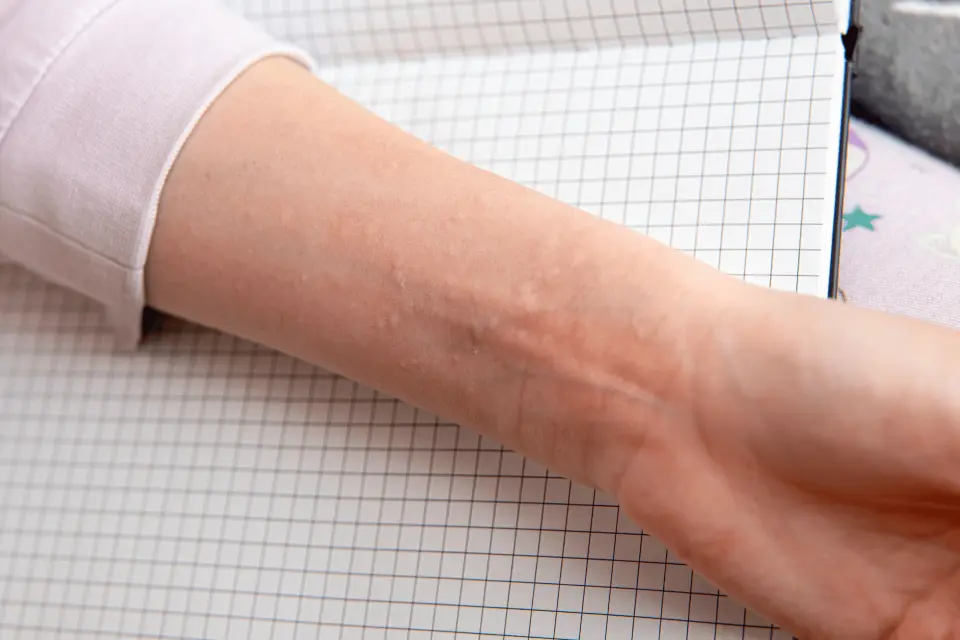
Yes, emotional stress can independently trigger hives by altering mast cell function. The body's stress response increases histamine release, causing real physical symptoms even without external allergens or irritants present.
Acute hives usually resolve within 24 to 48 hours, though new welts may continue to appear for up to 6 weeks. Individual welts rarely last more than 24 hours. Hives persisting beyond six weeks are classified as chronic.
Hives are not contagious and cannot spread from person to person. If an infection triggers the hives, that underlying infection may be contagious, but the hives themselves pose no transmission risk.
Most childhood hives result from viral infections and resolve without treatment. Seek immediate care if the child has difficulty breathing, facial swelling, or appears very ill. Otherwise, consult a healthcare provider if hives persist beyond a few days or recur frequently.
Identifying what triggers hives requires patience and careful observation, as causes range from obvious allergens to hidden factors like stress and infections. For personalized guidance on managing hives or evaluating persistent symptoms, visit Doctronic.ai for accessible AI-powered consultations and affordable telehealth visits with licensed physicians available around the clock.
Get medical advice
Chat Now
Join 50,000+ readers using Doctronic to understand symptoms, medications,
and next steps.
Add your phone number below to get health updates and exclusive VIP offers.
By providing your phone number, you agree to receive SMS updates from Company. Message and data rates may apply. Reply “STOP” to opt-out anytime. Read our Privacy Policy and Terms of Service for more details.
Save your consults. Talk with licensed doctors and manage your health history.