
Hyperpigmentation Treatment: What Actually Works
March 19, 2026
5 min read

Medically reviewed by Alan Lucks | MD, Alan Lucks MDPC Private Practice - New York on May 23rd, 2026.
Published on April 17th, 2026. Updated on May 28th, 2026.
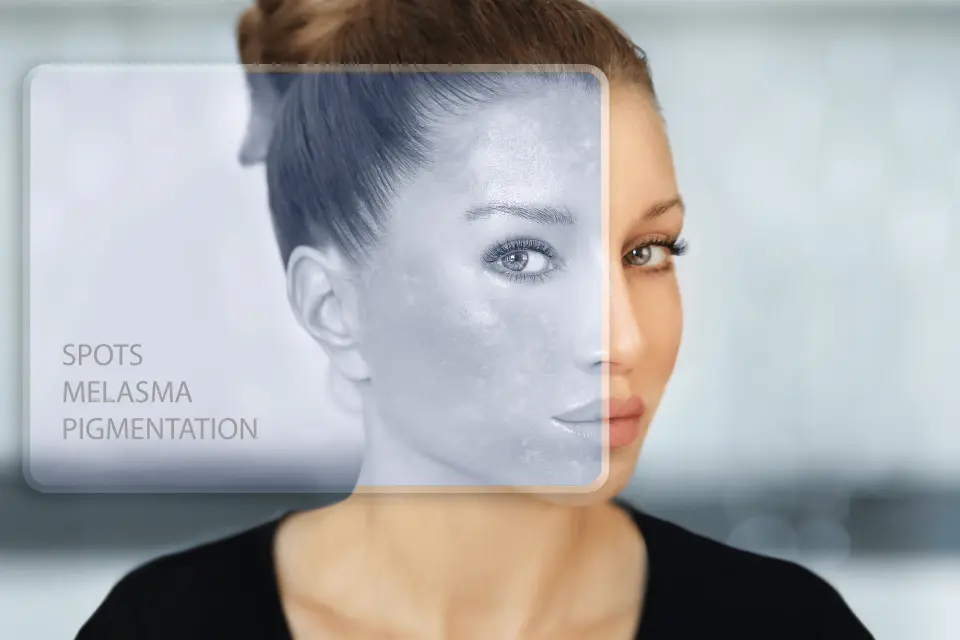
Hyperpigmentation occurs when melanocytes overproduce melanin in certain skin areas, creating dark patches that can affect anyone regardless of skin tone.
Three main types exist: melasma from hormonal changes, solar lentigines from chronic UV exposure, and post-inflammatory hyperpigmentation from skin injuries.
Topical treatments with vitamin C, niacinamide, retinoids, and tyrosinase inhibitors can effectively fade dark spots over time.
Professional procedures like chemical peels, laser therapy, and microneedling offer faster results for stubborn discoloration.
Daily broad-spectrum sunscreen is the single most important step for both preventing and treating hyperpigmentation.
Doctronic.ai provides AI-powered consultations to help identify skin concerns and connect patients with dermatologists for personalized treatment plans.
Those dark patches appearing on the face, hands, or chest affect millions of people worldwide. Hyperpigmentation describes any condition where skin produces excess melanin, leaving behind spots darker than the surrounding tissue. The condition is not harmful, but it often causes significant distress for those dealing with uneven skin tone.
Understanding the causes and treatments for hyperpigmentation helps patients make informed decisions about their skincare. Some cases respond well to over-the-counter products, while others require professional intervention. Doctronic.ai offers free AI doctor consultations that can help patients identify their specific type of hyperpigmentation and determine whether professional treatment is necessary.
Melanin is the pigment responsible for skin, hair, and eye color. Specialized cells called melanocytes produce this pigment in response to various triggers. When melanocytes become damaged or overactive, they produce excessive melanin that deposits unevenly in the skin.
The process involves an enzyme called tyrosinase, which catalyzes melanin production. Many effective treatments target this enzyme to slow pigment formation. Genetics, hormones, and environmental factors all influence how melanocytes behave.
Hyperpigmentation presents as flat, darkened patches ranging from light brown to black. These spots can be small and freckle-like or cover large areas of skin. Common locations include the face, hands, arms, and chest, which are areas frequently exposed to sunlight.
The patches typically have defined borders and feel smooth to the touch. They do not itch, hurt, or change texture. Any spot that becomes raised, itchy, or changes rapidly warrants immediate medical evaluation.
Melasma creates symmetrical brown or gray-brown patches, typically on the forehead, cheeks, nose bridge, and upper lip. Pregnancy hormones trigger this condition so frequently that it earned the nickname "mask of pregnancy." Birth control pills and hormone replacement therapy also contribute.
Women experience melasma far more often than men. For those wondering about long-term outcomes, our guide to long-term melasma treatment explains what the research shows. The condition may fade after pregnancy or stopping hormonal medications, but it often persists and requires ongoing management.
Years of sun exposure create flat brown spots called solar lentigines, commonly known as age spots or liver spots. These appear most frequently on the face, hands, shoulders, and forearms. Unlike freckles, sunspots do not fade in winter.
People over 50 develop these spots most commonly, though younger individuals with significant sun exposure can develop them too. Artificial UV sources like tanning beds and some UV nail lamps also contribute to their formation.
When skin heals from injury or inflammation, it sometimes produces excess melanin. Acne, eczema, burns, cuts, and aggressive cosmetic procedures can all leave behind dark marks. PIH affects all skin tones but appears more prominently in darker complexions. These marks can take months or years to fade without treatment.
Ultraviolet radiation is the primary culprit behind most hyperpigmentation. Sun exposure triggers melanocytes to produce more pigment as a protective response. Cumulative damage over years leads to uneven pigment distribution.
Even brief sun exposure can darken existing hyperpigmentation. This makes sun protection essential during any treatment program.
Any skin trauma can trigger pigment production during healing. Picking at acne, aggressive exfoliation, and poorly performed cosmetic procedures often leave dark marks behind. Inflammatory skin conditions like eczema and psoriasis carry similar risks.
Certain medications increase photosensitivity and pigmentation risk. These include some antibiotics, anti-seizure drugs, and chemotherapy agents. Endocrine disorders such as Addison's disease and Cushing's disease, as well as thyroid imbalances, can also cause skin darkening. Doctronic.ai can help patients understand whether their medications might contribute to skin discoloration.
Vitamin C is a potent antioxidant that inhibits melanin production and protects against UV damage. Look for serums containing stabilized forms such as L-ascorbic acid or sodium ascorbyl phosphate at concentrations between 10% and 20%. For a breakdown of which ingredients are most effective, see our guide to dark spot correctors and what the evidence supports. Apply vitamin C in the morning under sunscreen for best results.
Niacinamide prevents melanin transfer from melanocytes to surrounding skin cells. This form of vitamin B3 also strengthens the skin barrier and reduces inflammation. It pairs well with other active ingredients.
Retinoids accelerate cell turnover, bringing fresh skin to the surface while pushing pigmented cells out. Prescription tretinoin works fastest, but over-the-counter retinol offers gentler results. Start slowly to avoid irritation.
Alpha hydroxy acids like glycolic and lactic acid dissolve dead skin cells and fade surface pigmentation. They also enhance penetration of other brightening ingredients.
Kojic acid, derived from fungi, directly inhibits tyrosinase enzyme activity. It works well for melasma and sunspots but can cause irritation in sensitive skin.
Azelaic acid offers dual benefits: it inhibits tyrosinase and reduces inflammation. This makes it particularly effective for PIH following acne.
Chemical peels apply concentrated acids to remove outer skin layers. Superficial peels using glycolic or salicylic acid require no downtime and can be repeated regularly. Medium-depth peels penetrate deeper for more dramatic results but require recovery time.
Multiple sessions spaced weeks apart produce the best outcomes. Patients with darker skin types (Fitzpatrick IV through VI) require customized formulations and professional supervision to minimize post-procedure hyperpigmentation.
Laser treatments target melanin with specific light wavelengths, breaking up pigment deposits. IPL uses broad-spectrum light to address multiple pigmentation issues simultaneously. Both require multiple sessions.
Not all lasers work safely on darker skin tones. Consultation with an experienced dermatologist is essential before proceeding.
Microdermabrasion physically exfoliates the skin surface, gradually reducing superficial pigmentation. It works best for mild discoloration.
Microneedling creates tiny punctures that trigger collagen production and allow better absorption of topical treatments. Combined with vitamin C or tranexamic acid, it can significantly improve hyperpigmentation.
Daily sunscreen application is non-negotiable for anyone treating or preventing hyperpigmentation. Choose SPF 30 or higher with broad-spectrum UVA/UVB and visible light protection. Reapply every two hours during sun exposure.
Mineral sunscreens containing zinc oxide or titanium dioxide physically block UV rays. Chemical sunscreens absorb UV radiation. Both work effectively when applied properly.
A consistent routine amplifies treatment results. Cleanse gently without stripping the skin barrier. Apply antioxidant serums in the morning and retinoids at night. Always finish morning routines with sunscreen.
Avoid picking at skin, limit aggressive treatments, and introduce new products gradually. Patience is essential: most treatments require at least 12 weeks to show visible improvement.
Many cases can be significantly faded or eliminated with proper treatment, but some forms, like melasma, tend to recur. Ongoing maintenance and sun protection help sustain results.
Most topical treatments require at least 12 weeks of consistent use before visible improvement appears. Professional procedures may show faster results but still require multiple sessions.
Hyperpigmentation itself is harmless. Spots that change shape, color, or texture rapidly should be evaluated by a dermatologist to rule out skin cancer.
Yes, but treatment selection matters. Some lasers and aggressive peels can worsen pigmentation in darker skin. Consultation with an experienced provider ensures safe treatment choices.
No direct dietary cure exists, but antioxidant-rich foods support overall skin health. Vitamin C from citrus fruits and vitamin E from nuts may complement topical treatments.
Hyperpigmentation responds well to consistent treatment combining sun protection, topical ingredients, and professional procedures when needed. For personalized guidance on skin discoloration concerns, visit Doctronic.ai for a free AI consultation that can help determine the best treatment approach for individual skin needs.
Get advice about hyperpigmentation
Chat Now
Join 50,000+ readers using Doctronic to understand symptoms, medications,
and next steps.
Add your phone number below to get health updates and exclusive VIP offers.
By providing your phone number, you agree to receive SMS updates from Company. Message and data rates may apply. Reply “STOP” to opt-out anytime. Read our Privacy Policy and Terms of Service for more details.
Save your consults. Talk with licensed doctors and manage your health history.