
Skincare
Does Poison Ivy Have Thorns? How to Identify It Before You Touch It
April 17, 2026
5 min read

Medically reviewed by Alan Lucks | MD, Alan Lucks MDPC Private Practice - New York on May 24th, 2026.
Published on April 17th, 2026. Updated on May 28th, 2026.
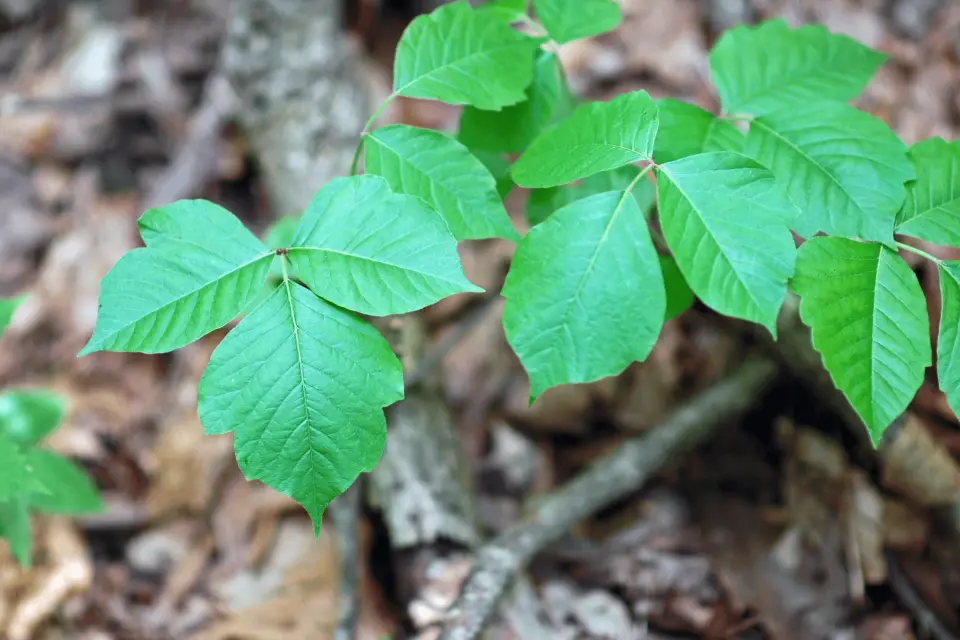
Poison ivy always displays three leaflets, with the middle leaf having a longer stem than the two side leaves
The plant changes dramatically through seasons: red in spring, green in summer, colorful in fall, and bare vines with white berries in winter
Between 50% and 75% of people are sensitive to poison ivy's urushiol oil, making identification essential
Virginia creeper has five leaves while poison ivy has three, making this the easiest way to tell them apart
Urushiol oil can remain active on tools, clothing, and pet fur for up to five years after contact
For rash concerns after exposure, visit Doctronic.ai for free AI doctor visits and affordable telehealth consultations
That old saying "leaves of three, let it be" exists for good reason. Poison ivy causes misery for millions of Americans each year, and the plant grows in every U.S. state except Alaska. Knowing what poison ivy looks like through every season can save anyone from an itchy, blistering rash that lasts weeks. The tricky part: this plant looks completely different depending on the time of year, where it grows, and how old it is. One day, it might appear as a small ground plant. The next season, it could climb 50 feet up a tree. Learning to spot poison ivy in all its forms protects hikers, gardeners, pet owners, and anyone who spends time outdoors.
The three-leaf pattern remains the most reliable way to identify poison ivy in any setting. Each leaf cluster contains three separate leaflets attached to a single stem.
Poison ivy leaflets have an almond- or teardrop-shaped outline with pointed tips. The edges can be smooth, slightly wavy, or have a few irregular notches that look like teeth. No two leaflets look exactly alike, even on the same plant. Some edges appear completely smooth while others have two or three deep notches on one side only. This inconsistency confuses many people who expect uniform leaf shapes.
The middle leaflet always sits on a longer stem than the two side leaflets. This detail separates poison ivy from many look-alikes. The side leaflets attach almost directly to the main stem with little or no individual stems of their own. When examining a suspicious plant, checking the middle stem length provides quick confirmation.
Young poison ivy leaves often have a shiny, oily appearance. Mature summer leaves typically turn dull and waxy. The surface texture varies with sun exposure, moisture levels, and leaf age. Plants growing in shade tend to have larger, glossier leaves than those in direct sunlight. Plants that cause itchy rashes often share this glossy texture, which is one of the clearest visual cues for identification.
Poison ivy transforms dramatically with the seasons, making year-round identification skills essential for outdoor safety.
Spring poison ivy emerges with reddish or bronze-colored leaves that gradually turn green. The young leaves appear shiny and may droop slightly. This red coloring tricks many people into thinking they see a harmless plant. New growth contains extremely high concentrations of urushiol oil, making spring contact particularly dangerous.
Summer brings full green leaves and tiny yellowish-white flowers that bloom in clusters. The flowers measure only about three millimeters across and grow near where leaves meet stems. Bees love these flowers, which later develop into the plant's signature berries. Summer leaves reach their maximum size and develop a duller surface texture.
Fall poison ivy produces stunning color displays that rival any ornamental plant. Leaves turn brilliant shades of yellow, orange, red, and sometimes purple. This beauty makes autumn poison ivy especially dangerous because people often want to touch or photograph it. The urushiol oil remains fully active in colorful fall leaves.
Winter strips poison ivy of its leaves but leaves behind identifying features. Climbing vines display distinctive "hairy" aerial roots that cling to trees and structures. White or grayish berries cluster along stems and persist through winter. Birds eat these berries without harm and spread seeds to new locations. The bare vines still contain active urushiol and can cause reactions.
Poison ivy adapts to almost any growing condition, appearing in three distinct forms depending on its environment.
In open areas, poison ivy spreads as ground cover, standing six to twelve inches tall. These low-growing plants form dense carpets that can cover large areas. Ground-level poison ivy often hides among other plants, making it easy to step on or brush against. Gardeners frequently encounter this form when clearing overgrown areas.
Given vertical support, poison ivy becomes an aggressive climbing vine. The plant produces aerial rootlets that grip bark, fences, and building surfaces. Mature vines can grow several inches thick and reach heights exceeding 50 feet. These thick, hairy vines remain dangerous even after the plant dies, as urushiol persists in dead wood for years.
Several harmless plants share features with poison ivy, leading to unnecessary worry or dangerous misidentification.
Young boxelder trees produce three-leaflet clusters that closely resemble poison ivy. The key difference lies in leaf arrangement. Boxelder leaves grow directly opposite each other on stems, while poison ivy leaves alternate. Boxelder leaflets also have more uniform, saw-toothed edges compared to poison ivy's irregular notching.
Virginia creeper grows alongside poison ivy in many areas. The simple rule: Virginia creeper has five leaflets per cluster, while poison ivy has three. Young Virginia creeper sometimes displays only three leaves, causing confusion. Checking multiple leaf clusters on the same plant reveals the true identity.
Wild berry brambles produce three-leaf clusters and have thorny stems. Poison ivy never has thorns. The presence of any thorns or prickles immediately rules out poison ivy. Berry brambles also have more uniformly serrated leaf edges.
Understanding how urushiol oil spreads helps prevent reactions before they start.
Urushiol oil is colorless and odorless, making direct detection impossible. The oil transfers easily to garden tools, gloves, shoes, and pet fur. Dogs and cats that run through poison ivy carry the oil home on their coats. Washing tools with rubbing alcohol or a degreasing soap removes urushiol. Pet fur should be washed with pet shampoo while wearing gloves.
Time matters after poison ivy contact. Washing exposed skin with lukewarm water and dish soap within 10 to 15 minutes can prevent or reduce reactions. Hot water can increase irritation and spread oil residues. Rubbing alcohol wipes work well for quick field cleaning. Clothing worn during exposure needs to be washed separately in hot water with detergent. If a rash does develop, our guide to getting rid of a poison ivy rash covers what actually helps.
Most poison ivy rashes last one to three weeks depending on severity and treatment. Mild cases may clear in seven to ten days, while severe reactions can persist longer. Doctronic.ai can help assess rash severity and recommend appropriate treatment options through free AI consultations.
The rash itself cannot spread between people. Only the urushiol oil causes reactions, and once skin is thoroughly washed, no transfer occurs. The spreading appearance of a rash happens because different skin areas absorb different amounts of oil.
The above-ground leaves die back, but the plant's roots survive winter. Dormant vines and roots still contain active urushiol oil. Burning poison ivy in any season releases urushiol into the smoke, which can cause severe lung reactions.
Repeated cutting or herbicide application over multiple growing seasons eventually exhausts the root system. Single treatments rarely provide permanent control due to the plant's extensive underground root network.
Recognizing poison ivy through all four seasons protects anyone who spends time outdoors from painful, lasting rashes. When skin reactions occur despite precautions, visit Doctronic.ai for free AI doctor visits and affordable telehealth consultations available 24/7 to help manage symptoms and determine if professional treatment is needed.
Get allergy care advice
Chat Now
Join 50,000+ readers using Doctronic to understand symptoms, medications,
and next steps.
Add your phone number below to get health updates and exclusive VIP offers.
By providing your phone number, you agree to receive SMS updates from Company. Message and data rates may apply. Reply “STOP” to opt-out anytime. Read our Privacy Policy and Terms of Service for more details.
Save your consults. Talk with licensed doctors and manage your health history.