

Symptoms and Diagnosis
Can’t Walk Without Foot Pain? Here’s Where to Start
August 16, 2025
10 min read

Medically reviewed by Alan Lucks | MD, Alan Lucks MDPC Private Practice - New York on May 23rd, 2026.
Published on April 17th, 2026. Updated on September 11th, 2026.
Top of foot pain stems from multiple causes, with extensor tendonitis accounting for approximately 20 to 30% of cases
Stress fractures produce localized point tenderness that worsens with activity, while tendonitis creates broader discomfort along tendon pathways
Tight shoelaces and improper footwear mechanics frequently trigger or worsen top of foot symptoms
Nerve compression and arthritis can mimic other conditions, making professional diagnosis essential
Early intervention with proper rest, imaging, and treatment prevents long-term complications in most patients
Doctronic.ai provides AI-powered symptom assessment and telehealth access to help identify the cause of top of foot pain
That sharp ache across the top of your foot during a morning walk or sudden tenderness after a workout signals something worth investigating. Whether the culprit is a stress fracture, tendonitis, or another condition entirely depends on specific symptoms that most people overlook. Research shows that nearly 8 out of 10 people will experience foot pain at some point, yet many delay seeking answers until minor issues become serious problems.
The foot's dorsal surface contains a complex network of bones, tendons, and nerves packed into a small area. This density means different conditions can produce overlapping symptoms, making self-diagnosis unreliable. A stress fracture feels different from tendon inflammation, and both differ from nerve entrapment, but without proper examination, distinguishing between them proves difficult. Doctronic.ai offers an accessible starting point for understanding symptoms before scheduling specialist appointments.
Pain location tells part of the story. Discomfort concentrated over a single metatarsal bone suggests fracture, while pain spreading along the length of tendons points toward tendonitis. Swelling patterns also differ: localized puffiness over bone indicates potential fracture, whereas diffuse swelling across multiple tendons suggests inflammatory conditions.
Activity patterns matter significantly. Pain that intensifies during weight-bearing activities and subsides with rest often indicates bone stress injury. Discomfort that worsens specifically when lifting the toes or extending the foot typically involves extensor tendons. Burning or tingling sensations suggest nerve involvement rather than musculoskeletal injury.
Stress fractures in metatarsal bones develop gradually from repetitive impact rather than sudden trauma. The second and third metatarsals bear the most weight during walking and running, making them particularly vulnerable. These tiny cracks in bone tissue often go undetected on initial X-rays, requiring advanced imaging for confirmation.
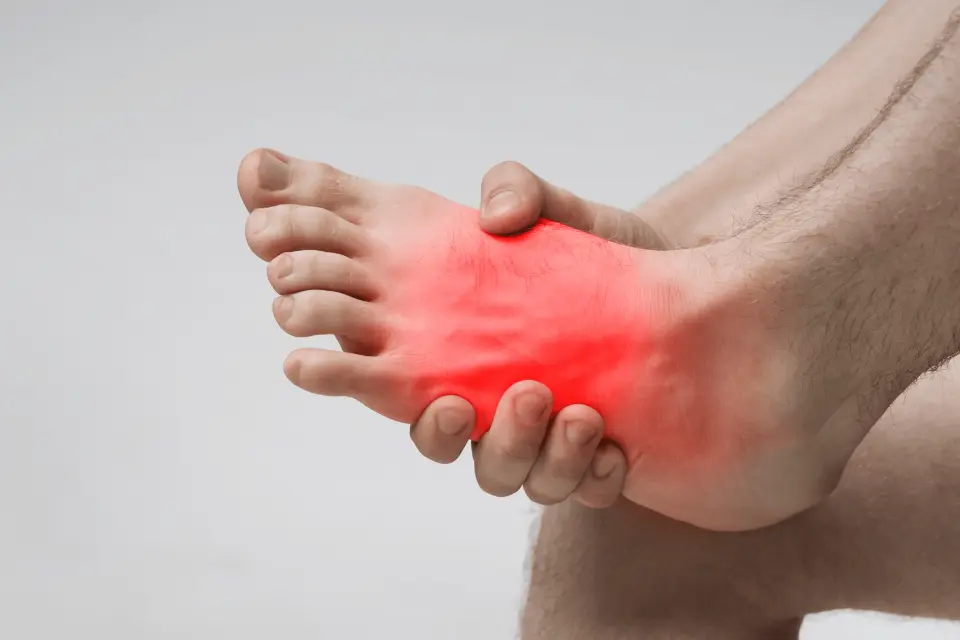
The hallmark of metatarsal stress fracture is exquisite point tenderness: pressing directly on the affected bone produces sharp, focused pain. Surrounding tissue may swell slightly, creating a visible bump on the foot's top surface. This swelling typically remains localized rather than spreading across multiple bones.
Pain increases predictably with impact activities. Walking on hard surfaces hurts more than soft ground. Running becomes nearly impossible. Even standing for extended periods aggravates symptoms.
Stress fractures result from accumulated microtrauma exceeding the bone's repair capacity. Sudden increases in training intensity, switching to harder running surfaces, or wearing worn-out shoes all contribute. High arches concentrate force on metatarsal heads. Rigid feet absorb shock poorly. Understanding personal risk factors helps guide prevention strategies and training modifications.
Extensor tendonitis accounts for approximately 20 to 30% of all top-of-foot pain cases. These tendons run across the foot's dorsal surface, lifting the toes and assisting with ankle movement. Inflammation develops from overuse, trauma, or external pressure from footwear.
Tendon pain produces a different quality than bone pain. The discomfort spreads along the tendon's path rather than concentrating at a single point. Resisting toe extension against pressure reproduces symptoms, while direct bone palpation does not. Tendons may feel thickened or ropy when examined.
Morning stiffness characterizes tendonitis. The first steps after sleeping or prolonged sitting feel worst, then gradually improve with gentle movement. This pattern differs from stress fractures, which worsen progressively throughout the day.
Shoe lacing technique directly affects extensor tendon health. Laces pulled too tight compress tendons against underlying bone, creating friction and inflammation. Footwear with rigid upper materials or inadequate padding over the tongue area increases risk. Adjusting lacing patterns, using padded tongue covers, or selecting different footwear often resolves symptoms without other intervention.
Not all top of foot pain originates from tendons or bones. Nerve entrapment and degenerative joint changes produce distinct symptom patterns requiring different treatment approaches. Doctronic.ai helps users identify whether their symptoms suggest these alternative diagnoses before pursuing specialist care.
Arthritis affecting the midfoot joints causes stiffness, aching, and visible bony prominences. These bone spurs form as joints deteriorate, creating palpable bumps on the foot's top surface. Pain worsens with weather changes and prolonged standing. Joint arthritis produces a grinding sensation during movement, and range of motion decreases gradually over months or years.
The superficial peroneal nerve crosses the foot's dorsal surface, making it vulnerable to compression. Tight footwear, direct trauma, or anatomical variations can trap this nerve, producing burning pain, numbness, or tingling. Symptoms often radiate toward the toes.
Nerve pain differs qualitatively from musculoskeletal discomfort. Patients describe electric, shooting sensations rather than aching or throbbing. Symptoms may worsen at night or with specific positions.
Persistent foot pain lasting more than two weeks warrants professional evaluation. Knowing when foot symptoms need an X-ray prevents complications and shortens recovery time.
Standard X-rays detect obvious fractures and arthritic changes but miss early stress fractures and soft tissue problems. MRI provides detailed views of bones, tendons, and nerves, catching injuries invisible on plain radiographs. Bone scans offer another option for detecting stress reactions before they become complete fractures.
The choice of imaging depends on suspected diagnosis. Traumatic injuries start with X-rays. Suspected stress fractures or tendon tears often require MRI for definitive diagnosis.
Skilled clinicians gather significant information through hands-on examination. Palpating specific structures identifies pain sources. Range of motion testing reveals joint restrictions. Strength testing against resistance isolates individual tendons. Gait analysis reveals biomechanical factors contributing to injury and helps prevent recurrence after initial healing.
Treatment varies based on diagnosis, but certain principles apply broadly. Rest from aggravating activities allows tissue healing. Gradual return to activity prevents re-injury.
Rest, ice, compression, and elevation remain foundational for acute injuries. Ice application for 15 to 20 minutes several times daily reduces inflammation. Compression wraps limit swelling. Activity modification means finding alternatives rather than complete inactivity. Swimming and cycling maintain fitness without foot impact.
Targeted exercises rebuild strength after injury. Toe curls, marble pickups, and resistance band work strengthen intrinsic foot muscles. Calf stretching maintains flexibility. Custom or over-the-counter orthotics address biomechanical issues contributing to injury. Arch support reduces metatarsal stress. Cushioned insoles absorb impact.
Most metatarsal stress fractures require 6 to 12 weeks of reduced activity for complete healing. Some cases need protective boot wear. Returning to activity too quickly risks re-fracture or progression to complete fracture.
Low-impact activities that do not aggravate symptoms remain acceptable. Swimming, stationary cycling, and upper body workouts typically cause no problems. Avoid running, jumping, and activities requiring tight footwear until symptoms resolve.
Seek evaluation for pain lasting more than two weeks, significant swelling, inability to bear weight, numbness or tingling, or visible deformity. Doctronic.ai provides preliminary guidance on symptom severity and appropriate care timing.
Most causes of top of foot pain resolve with conservative treatment. Surgery becomes necessary only for complete fractures with displacement, severe tendon tears, or nerve compression unresponsive to other interventions.
Top of foot pain requires accurate diagnosis for effective treatment, whether the cause is stress fracture, tendonitis, nerve compression, or arthritis. Understanding your specific condition guides appropriate recovery strategies and prevents long-term complications. For quick symptom assessment and personalized guidance, Doctronic.ai provides AI-powered medical insights and telehealth access available 24/7.
Get pain relief advice
Chat Now
Join 50,000+ readers using Doctronic to understand symptoms, medications,
and next steps.
Add your phone number below to get health updates and exclusive VIP offers.
By providing your phone number, you agree to receive SMS updates from Company. Message and data rates may apply. Reply “STOP” to opt-out anytime. Read our Privacy Policy and Terms of Service for more details.
Save your consults. Talk with licensed doctors and manage your health history.