

Vaginal Dryness During Menopause
Meta Description: Understand why vaginal dryness during menopause occurs and explore effective treatments, from moisturizing therapies to low-dose estrogen and laser [...]
Read MoreSpinal stenosis symptoms start mild and worsen gradually, making early recognition critical for effective treatment
Cervical stenosis affects the neck and upper body, while lumbar stenosis impacts the lower back and legs
Early signs include intermittent pain, relief when leaning forward, and occasional tingling in arms or legs
Progressive symptoms feature sciatica, leg cramping during walking, and reduced ability to exercise
Advanced signs include muscle weakness, balance problems, and loss of fine motor control
Red flag symptoms like bladder dysfunction require immediate emergency care
Doctronic.ai offers free AI doctor visits to help identify concerning symptoms early
The spine naturally narrows with age. By the time most people reach 50, degenerative spinal changes affect up to 80% of them. Not everyone with these changes develops symptoms, but those who do often wonder why their back pain keeps getting worse. Spinal stenosis happens when the spaces within the spine become too narrow, putting pressure on nerves. The symptoms can be confusing because they often mimic other conditions. Understanding the early and advanced signs of this condition helps people get a proper diagnosis and treatment before permanent nerve damage occurs.
Cervical stenosis occurs in the neck region and affects the spinal cord itself. This type causes symptoms in the arms, hands, and sometimes legs. Lumbar stenosis happens in the lower back and affects nerve roots rather than the spinal cord directly. Lumbar spinal stenosis affects up to 9% of adults over age 60, making it the most common form. The location determines which body parts experience numbness, weakness, or pain.
Stenosis is progressive. The narrowing happens slowly over months and years as bone spurs grow, discs bulge, and ligaments thicken. Early symptoms may come and go, appearing only after certain activities. As the narrowing increases, symptoms become constant and more severe. This gradual progression explains why many people dismiss early warning signs as normal aging.
Early warning signs of lumbar stenosis include lower back discomfort after prolonged standing and mild leg cramping during walking. The pain often feels dull and achy rather than sharp. It may appear after standing in line at the grocery store or walking through a parking lot. Rest typically brings relief at this stage.
People with early stenosis often report feeling better when bending forward. Pushing a shopping cart, leaning on a counter, or sitting down provides relief. This occurs because bending forward slightly opens the spinal canal, reducing pressure on nerves. Someone who naturally hunches forward during walks should pay attention to this pattern.
Occasional "pins and needles" sensations in the legs, feet, hands, or arms signal early nerve involvement. These sensations may last only a few minutes after certain positions or activities. Many people notice tingling after sitting for long periods or upon waking. Doctronic.ai can help evaluate whether these symptoms warrant further investigation.
As stenosis worsens, pain begins traveling along nerve pathways. Lumbar stenosis often causes sciatica: pain that shoots from the lower back through the buttocks and down one or both legs. This pain can feel like burning, electric shocks, or deep aching. The pain pattern follows specific nerve distributions, which helps doctors identify which spinal level is affected.
Neurogenic claudication is a hallmark symptom of moderate lumbar stenosis. People experience leg pain, heaviness, and cramping when walking. The key feature is that symptoms worsen with walking and standing but improve with sitting or bending forward. This differs from vascular claudication, where rest alone provides relief regardless of position.
People at this stage notice their walking distance shrinking. Someone who once walked a mile easily may now need to stop every few hundred feet. Exercise becomes frustrating as symptoms flare during activity. This reduction in mobility often leads to deconditioning, which can worsen overall health.
Severe stenosis causes noticeable muscle weakness. Foot drop occurs when the muscles that lift the front of the foot become weak, causing the foot to drag or slap during walking. People may trip frequently or struggle to climb stairs. This weakness indicates significant nerve damage that may become permanent without treatment.
Advanced cervical stenosis can lead to myelopathy, in which the spinal cord is compressed, causing difficulties with coordination and balance, weakness in the arms and legs, and electrical sensations down the spine when neck bending. People may struggle to button shirts, write clearly, or handle small objects. Dropping items frequently becomes common.
Walking becomes unsteady and awkward. People feel like they're walking on uneven ground even on flat surfaces. The legs may feel stiff or move in jerky patterns. Falls become a serious risk at this stage.
Cauda equina syndrome is a medical emergency. It occurs when the nerve bundle at the base of the spine becomes severely compressed. Symptoms include sudden inability to urinate, loss of bowel control, or inability to feel when the bladder is full. This requires emergency surgery within 24 to 48 hours to prevent permanent paralysis.
Saddle anesthesia means numbness in the areas that would touch a saddle: inner thighs, buttocks, and groin. Combined with bowel or bladder changes, this signals cauda equina syndrome. Anyone experiencing these symptoms should go to the emergency room immediately.
 Managing Progression and Seeking Treatment
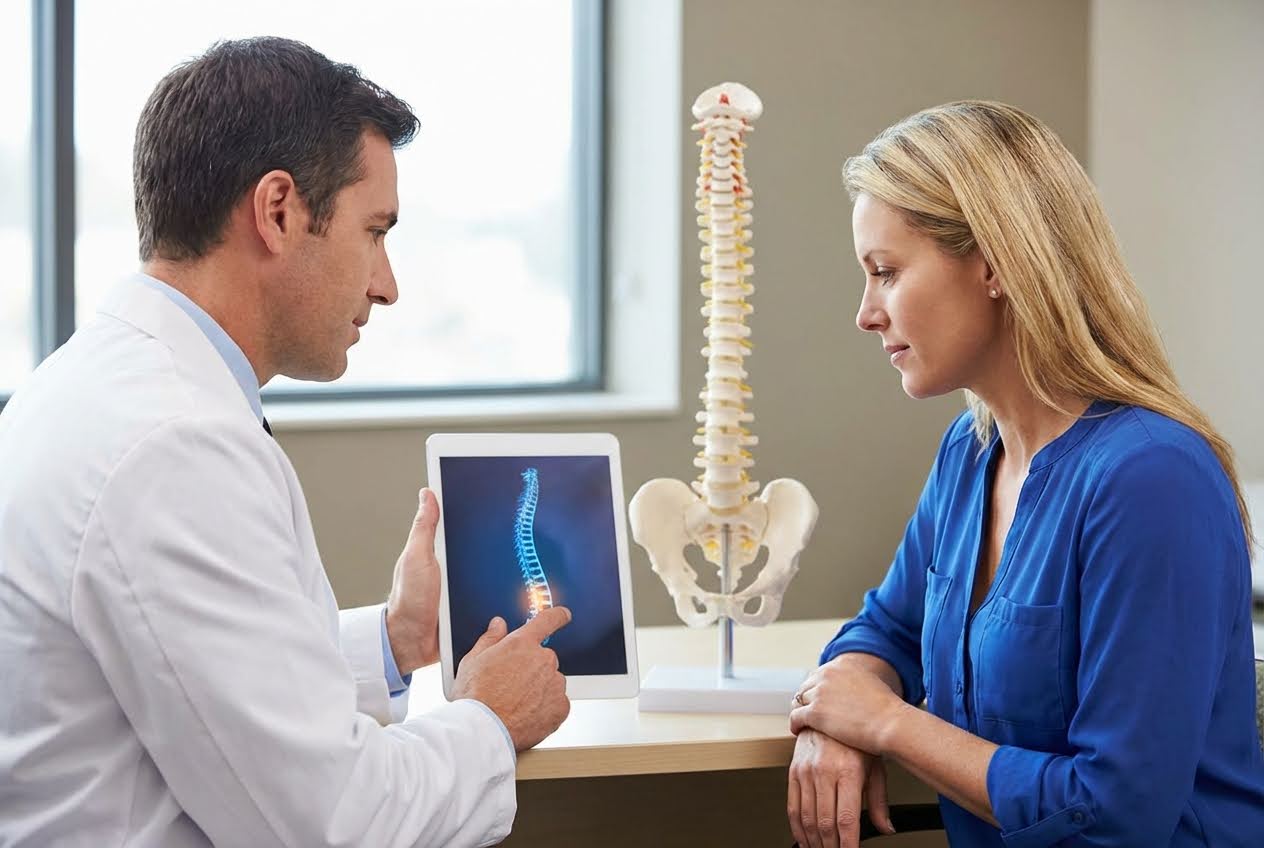
MRI scans provide the clearest picture of spinal stenosis. They show exactly where narrowing occurs and how much nerve compression exists. CT scans and X-rays offer additional information about bone structure. Nerve conduction studies measure how well nerves transmit signals.
Most people start with conservative treatment: physical therapy, anti-inflammatory medications, and epidural steroid injections. These approaches work well for mild to moderate stenosis. Surgery becomes necessary when conservative treatment fails or when severe symptoms threaten permanent nerve damage. Surgical options include a laminectomy, which removes bone to create more space, and spinal fusion for unstable segments.
For anyone concerned about spinal symptoms, Doctronic.ai provides free AI doctor visits that can help determine whether a professional evaluation is needed. The service offers 24/7 access to telehealth video visits with real doctors in all 50 states for under $40.
Stenosis typically progresses slowly over years, not weeks or months. Some people remain stable for long periods, while others worsen more rapidly. Regular monitoring helps track changes and adjust treatment plans accordingly.
Yes, especially in the early stages. Symptoms often manifest during certain activities and resolve with rest. As the condition advances, symptoms become more constant and less responsive to position changes.
Standing for long periods, walking long distances, and extending the spine backward typically worsen symptoms. Activities like swimming and cycling, which involve forward bending, often cause less discomfort.
No. A herniated disc involves disc material pushing outward, while stenosis refers to overall narrowing of the spinal canal. Both can cause similar symptoms, and herniated discs can contribute to stenosis.
Spinal stenosis often starts with mild, position-dependent pain and tingling but can progress to weakness, balance problems, and even bladder dysfunction if untreated. Early recognition matters. If symptoms are worsening or unclear, Doctronic.ai can help you assess severity and decide when to seek in-person care.
Meta Description: Understand why vaginal dryness during menopause occurs and explore effective treatments, from moisturizing therapies to low-dose estrogen and laser [...]
Read MoreMeta Description: Discover why perimenopause causes itching and explore effective relief strategies, from hormone therapy to skincare tips, to soothe dry and itchy skin.When [...]
Read MoreMeta Description: Understand why weight gain during perimenopause occurs and learn how to manage it through protein intake, resistance training, and better sleep habits.Why [...]
Read More