

Vaginal Dryness During Menopause
Meta Description: Understand why vaginal dryness during menopause occurs and explore effective treatments, from moisturizing therapies to low-dose estrogen and laser [...]
Read MoreThe quadratus lumborum muscle connects the pelvis to the spine and ribs, playing a key role in lower back stability and movement
Poor posture, sitting too long, and weak core muscles are the most common causes of QL pain
Symptoms include deep aching in the lower back, sharp pains during movement, and referred pain to the hips
Stretches, strengthening exercises, and self-massage can provide significant relief
Persistent or severe pain warrants professional evaluation through telehealth or in-person care
That dull ache in your lower back that won't quit might not be a disc problem or general muscle strain. It could be your quadratus lumborum, a deep muscle that causes more back pain than most people realize. A 2024 systematic review on pregnancy-related low back pain found that about 50–70% of pregnant women experience low back pain, with no conclusive evidence directly linking quadratus lumborum tightness as the primary cause. This muscle affects everyone, not just expecting mothers. Understanding quadratus lumborum pain, its causes, and relief options can help you finally address that stubborn discomfort. Whether you need quick home remedies or guidance on when to see a doctor, Doctronic.ai can help you understand your symptoms and connect with care.
The quadratus lumborum sits deep in the lower back on both sides of the spine. It runs from the top of the pelvis up to the lowest rib and attaches to the sides of the lumbar vertebrae. This positioning makes it one of the most important muscles for lower back function.
Because the QL lies beneath larger muscles like the erector spinae, people often overlook it when searching for the source of their pain. Its deep location also makes it harder to stretch and treat compared to surface-level muscles.
The QL performs several tasks simultaneously. It helps you bend sideways, stabilizes your pelvis when you walk, and assists with breathing by anchoring the lowest rib during deep breaths. Every time you hike your hip up or lean to one side, your QL is working.
This muscle also keeps your spine stable when you carry something heavy on one side of your body. Without a proper QL function, simple tasks like picking up groceries or reaching overhead become painful or difficult.
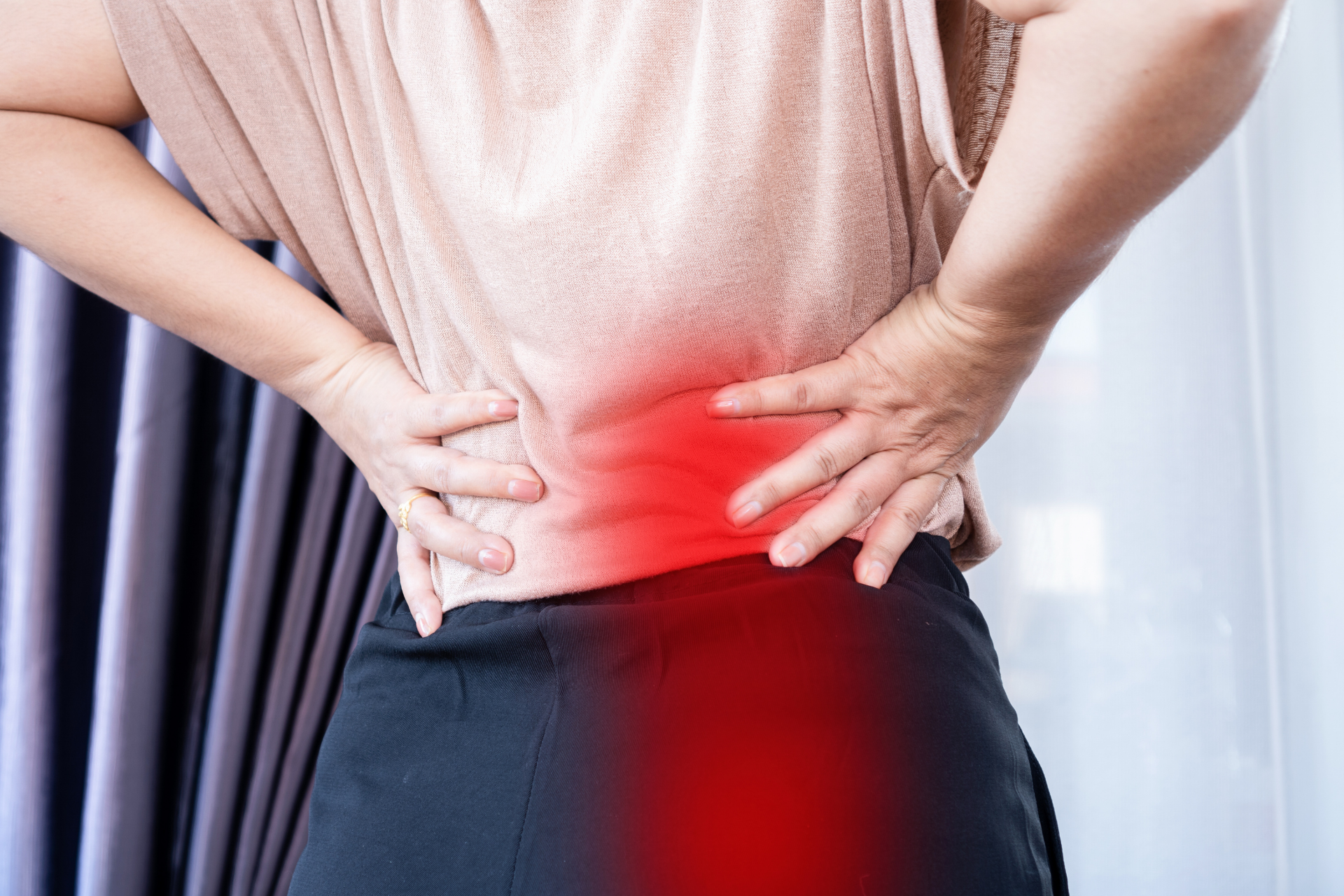 Common Causes of QL Muscle Strain and Pain
Sitting for hours each day is the biggest enemy of your QL. When you slouch at a desk, one side of your lower back often works harder than the other. This uneven load creates tension that builds over time.
Crossing your legs, leaning to one side, or using a wallet in your back pocket all contribute to QL problems. These small habits add up to major muscle imbalances that eventually cause pain.
People who repeatedly twist, bend, or lift place constant stress on their QL. Warehouse workers, nurses, and parents carrying children are especially at risk. The muscle gets overworked without enough recovery time.
Athletes who play one-sided sports like golf or tennis also develop QL issues. The repeated rotation in one direction creates strength imbalances between the left and right sides.
When your core and glute muscles are weak, your QL steps in to pick up the slack. This compensation pattern forces the QL to do jobs it wasn't designed for. Over time, the overworked muscle becomes tight and painful.
Weak glutes are particularly problematic. If your glutes can't stabilize your pelvis properly during walking or running, your QL must work overtime to fill that role.
QL pain typically feels like a deep, constant ache on one or both sides of the lower back. The discomfort often worsens after prolonged sitting or standing. Many people describe it as a tired, heavy feeling in their lower back.
Interestingly, Quadratus lumborum stiffness may be lower or higher depending on the chronicity and type of low back pain, suggesting that muscle tone changes are variable rather than consistently reduced or increased. This challenges the common belief that tight muscles always cause pain.
Sudden movements can trigger sharp, stabbing pains when the QL is irritated. Coughing, sneezing, or rolling over in bed often brings on these intense moments of discomfort. The pain usually hits one side of the lower back.
Getting up from a chair or twisting to reach something behind you can also cause these sharp sensations. The pain typically fades quickly but returns with similar movements.
The QL can send pain signals to areas far from the muscle itself. Many people feel QL-related pain in their hip, upper buttock, or even the front of their thigh. This referred pain pattern often leads to misdiagnosis.
Some people experience what feels like sacroiliac joint pain when the real problem is their QL. If you have questions about your specific symptoms, Doctronic.ai offers AI-powered assessments that can help identify potential causes.
The side-lying stretch works well for QL relief. Lie on your back, cross one leg over the other, and let your knees fall to one side while keeping your shoulders flat. Hold for 30 seconds on each side.
The 90-90 stretch, recommended by physical therapists, effectively targets the QL. Gentle movements like cat-cow stretches and lumbar rotations also help loosen the area without overstressing it.
Hip hikers build QL strength gradually. Stand on a step with one foot hanging off the edge, then slowly drop and raise that hip. This exercise teaches the QL to work properly without compensation.
Side planks and bird-dog exercises strengthen the entire core system, taking pressure off the QL. Aim for 2-3 sets of 10-15 repetitions, three times per week.
Using a tennis ball for self-massage can effectively relieve QL tension. Lie on your back with the ball placed between your lower back and the floor, just to the side of your spine. Roll gently to find tender spots and hold pressure for 30-60 seconds.
Belly breathing also helps relax the QL. Because this muscle assists with breathing, slow, deep breaths can naturally reduce its tension. Practice 5-10 minutes of focused breathing daily.
Physical therapists use hands-on techniques to release QL trigger points and restore proper movement patterns. They can also identify the underlying causes of your pain and create a personalized exercise program.
Manual manipulation from chiropractors or osteopaths may provide quick relief for some people. These treatments work best when combined with exercises that address the root cause.
Setting up your workspace correctly prevents QL strain. Your chair should support your lower back, and your feet should rest flat on the floor. Take standing breaks every 30-45 minutes.
Sleep position matters too. Side sleepers should place a pillow between their knees to keep the pelvis aligned. Back sleepers benefit from a small pillow under their knees.
Seek professional help if your pain lasts more than two weeks despite home treatment. Numbness, tingling, or weakness in your legs requires immediate attention. Pain that wakes you from sleep or comes with a fever also warrants evaluation.
Doctronic.ai offers AI-assisted symptom analysis and connects users with licensed telehealth providers across the United States, in compliance with 2026 telehealth regulations. Getting expert guidance early can prevent a minor issue from becoming a chronic problem.
Most QL strains improve within 2-4 weeks with proper stretching, rest, and activity modification. Chronic cases may take longer and often benefit from professional treatment.
Yes, though one-sided pain is more common. Bilateral QL pain often results from general postural problems or core weakness rather than a specific injury.
Walking is generally helpful for QL pain because it promotes gentle movement and blood flow. Start with short walks and increase distance gradually as symptoms allow.
Prolonged sitting, sleeping on a sagging mattress, carrying heavy bags on one shoulder, and sudden twisting movements typically aggravate QL pain.
Quadratus lumborum pain responds well to targeted stretches, strengthening exercises, and lifestyle changes. Most people find relief within weeks when they address the root causes like weak core muscles, poor posture, and repetitive strain. For persistent symptoms or questions about your specific situation, consider a free AI doctor visit at Doctronic.ai to get personalized guidance and connect with telehealth providers if needed.
Meta Description: Understand why vaginal dryness during menopause occurs and explore effective treatments, from moisturizing therapies to low-dose estrogen and laser [...]
Read MoreMeta Description: Discover why perimenopause causes itching and explore effective relief strategies, from hormone therapy to skincare tips, to soothe dry and itchy skin.When [...]
Read MoreMeta Description: Understand why weight gain during perimenopause occurs and learn how to manage it through protein intake, resistance training, and better sleep habits.Why [...]
Read More