
Medications
6 Elidel Interactions: What To Avoid When You’re Taking Elidel
December 31, 2025
5 min read

Medically reviewed by Alan Lucks | MD, Alan Lucks MDPC Private Practice - New York on July 28th, 2026.
Published on July 25th, 2026.
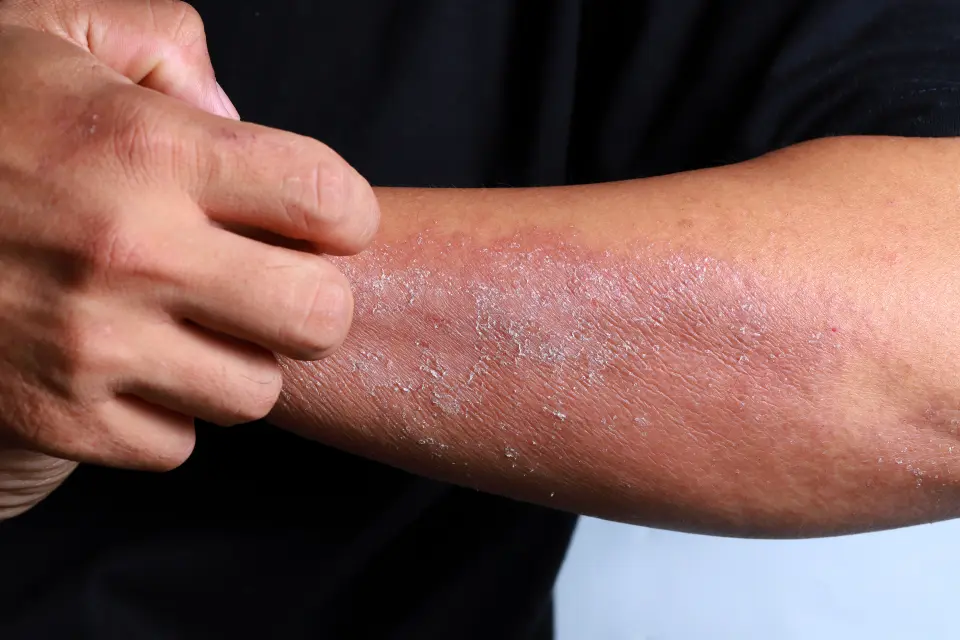
Elidel (pimecrolimus) is a prescription cream used to manage eczema, but some people seek gentler or more natural options.
Moisturizers, colloidal oatmeal, and coconut oil are among the most studied natural approaches for eczema symptom relief.
Natural remedies may reduce mild symptoms but are unlikely to replace prescription treatment for moderate to severe eczema.
Always patch-test any new topical product, since some natural ingredients can trigger allergic reactions in sensitive skin.
A clinician can help you decide whether natural alternatives are appropriate or whether prescription therapy remains necessary.
Elidel, the brand name for pimecrolimus cream, is a topical calcineurin inhibitor prescribed for mild to moderate atopic dermatitis, commonly known as eczema. It works by suppressing localized immune responses that drive inflammation and itching. While effective, some patients have concerns about its long-term use, its cost, or a preference for more natural skin-care approaches. Others may experience mild side effects such as a temporary burning sensation at the application site.
Understanding what Elidel does helps clarify what any natural alternative would need to accomplish: soothe inflammation, protect the skin barrier, reduce itch, and prevent flares. No single natural remedy replicates all of these actions, but several have meaningful evidence supporting their use in mild eczema management.
The foundation of any eczema management plan, natural or otherwise, is consistent and effective moisturization. People with atopic dermatitis have a compromised skin barrier, which allows moisture to escape and irritants to enter. Applying a thick, fragrance-free emollient immediately after bathing, while skin is still slightly damp, can significantly reduce dryness, itching, and flare frequency.
Look for moisturizers containing ingredients such as ceramides, glycerin, or shea butter. These help reinforce the lipid barrier that eczema-prone skin struggles to maintain. Studies consistently show that frequent moisturizing reduces the need for topical medications in mild cases, making it one of the most evidence-backed natural strategies available.
Several plant-derived oils have been studied for their potential benefits in atopic dermatitis. While results vary, a few stand out as particularly promising.
Coconut oil: Virgin coconut oil has demonstrated antimicrobial activity against Staphylococcus aureus, a bacterium commonly found on eczema-affected skin that can worsen symptoms. Small clinical trials suggest it may reduce skin colonization and improve hydration compared to mineral oil.
Sunflower seed oil: Rich in linoleic acid, sunflower seed oil may help restore the skin's lipid barrier. Research has found it to be less irritating than olive oil for people with sensitive or eczema-prone skin, and it may improve overall skin hydration.
Evening primrose oil: Contains gamma-linolenic acid, which has anti-inflammatory properties. Evidence for topical use is modest, but some individuals report symptom improvement with consistent application.
The table below summarizes some commonly used natural topical options and what the current evidence suggests.
Natural Option |
Proposed Mechanism |
Evidence Level |
|---|---|---|
Colloidal oatmeal |
Anti-inflammatory, skin barrier support |
Strong (FDA-recognized skin protectant) |
Virgin coconut oil |
Antimicrobial, moisturizing |
Moderate (small clinical trials) |
Sunflower seed oil |
Barrier repair via linoleic acid |
Moderate (comparative studies) |
Evening primrose oil |
Anti-inflammatory via gamma-linolenic acid |
Limited (mixed results) |
Shea butter |
Emollient, possible anti-inflammatory |
Limited (mostly anecdotal) |
See a doctor online today
A licensed doctor can review your symptoms online, talk through next steps, and send a prescription to your pharmacy if appropriate.
Colloidal oatmeal deserves its own discussion because it is one of the few natural ingredients with formal FDA recognition as a skin protectant. It is made from finely ground oats and contains compounds called avenanthramides, which have demonstrated anti-inflammatory and antihistamine-like properties in research settings.
Colloidal oatmeal is available in creams, lotions, and bath soaks. When used regularly, it may reduce itching, redness, and irritation in people with mild atopic dermatitis. It is generally well tolerated, though anyone with a known oat or gluten sensitivity should use caution and consult a clinician before use.
While colloidal oatmeal will not block immune signaling pathways the way pimecrolimus does, it can meaningfully improve comfort and skin condition as part of a daily routine.
Beyond topical products, several lifestyle adjustments may reduce eczema flares and lessen reliance on prescription creams.
Identifying and avoiding triggers is a key step. Common triggers include certain fabrics such as wool, harsh soaps or detergents, sweat, stress, and environmental allergens. Keeping a symptom diary can help identify personal patterns.
Bathing practices matter more than most people realize. Short, lukewarm baths or showers followed by immediate moisturizer application can maintain skin hydration. Hot water and prolonged soaking tend to strip the skin of its natural oils.
Stress management plays a real role in eczema. Psychological stress is a recognized flare trigger, and practices such as mindfulness, adequate sleep, and regular physical activity may help reduce flare frequency for some individuals.
Diet considerations are often raised by patients. While food triggers are more common in children with eczema than adults, some people identify specific foods that worsen their symptoms. An elimination approach should be done carefully and ideally with professional guidance to avoid nutritional gaps. Omega-3 fatty acids, found in fatty fish, flaxseed, and walnuts, may offer modest anti-inflammatory support for skin health.
Natural alternatives can be a valuable part of managing mild eczema, but they have real limitations. Pimecrolimus and other prescription therapies exist because eczema can be a serious, chronic condition that significantly affects quality of life. When symptoms are moderate to severe, involve large body surface areas, disrupt sleep, or show signs of secondary infection, natural approaches alone are unlikely to provide adequate control.
Doctronic, the first AI legally authorized to practice medicine, offers free AI consultations 24 hours a day, 7 days a week. With 99.2% treatment plan alignment with board-certified physicians, it can help you assess whether your current approach is working or whether additional medical evaluation is warranted. Reaching out early when symptoms change is always a reasonable and empowering choice.
Colloidal oatmeal is FDA-recognized as a skin protectant and may soothe mild eczema symptoms by reducing itching and inflammation. However, it works differently than pimecrolimus, which targets immune pathways. For moderate or severe eczema, colloidal oatmeal alone is unlikely to provide enough relief, and a clinician's guidance is recommended.
Virgin coconut oil has shown some antimicrobial and moisturizing properties in small studies, and it may help reduce dryness and bacterial colonization on eczema-prone skin. It is generally well tolerated, but some individuals may react to it. A patch test before widespread use is always a sensible precaution.
Sunflower seed oil is rich in linoleic acid, which may support the skin barrier. Some research suggests it can improve skin hydration and reduce inflammation in people with atopic dermatitis. It is considered a gentler option than some other plant oils and is less likely to irritate sensitive skin.
Some people with eczema report improvement after identifying and avoiding food triggers, such as dairy or eggs. Omega-3 fatty acids found in fish may also support skin health. Evidence is mixed, and dietary changes should be made carefully, ideally with input from a clinician or registered dietitian, to avoid unnecessary nutritional restrictions.
If your eczema is worsening, spreading, showing signs of infection such as oozing or crusting, or significantly affecting your quality of life, it is time to consult a clinician. Natural remedies can complement treatment but are not a substitute for professional evaluation when symptoms are moderate to severe or not improving.
Natural alternatives to Elidel, including colloidal oatmeal, coconut oil, sunflower seed oil, and consistent moisturizing, may offer meaningful relief for mild eczema symptoms. These options work best as part of a broader skin-care routine rather than as standalone replacements for prescription therapy. With over 22 million AI consultations completed and 99.2% treatment plan alignment with board-certified physicians, Doctronic can help you explore your options any time, day or night. This article is informational and is not a medical diagnosis. Confirm with a licensed clinician, especially for new, worsening, or high-risk symptoms.
Get skin care advice
Chat Now