

Vaginal Dryness During Menopause
Meta Description: Understand why vaginal dryness during menopause occurs and explore effective treatments, from moisturizing therapies to low-dose estrogen and laser [...]
Read MoreLumbar strain occurs when muscles or tendons in the lower back stretch or tear, causing pain that typically resolves within two to eight weeks with proper care
Poor lifting technique, repetitive motions, and weak core muscles are the primary causes of lower back injuries
The RICE method (Rest, Ice, Compression, Elevation), combined with activity modification, provides effective immediate relief
Physical therapy and targeted core exercises form the foundation of long-term recovery and prevention
Red flag symptoms like numbness, bladder changes, or fever require immediate medical attention
Doctronic offers free AI doctor consultations to help assess symptoms and guide treatment decisions
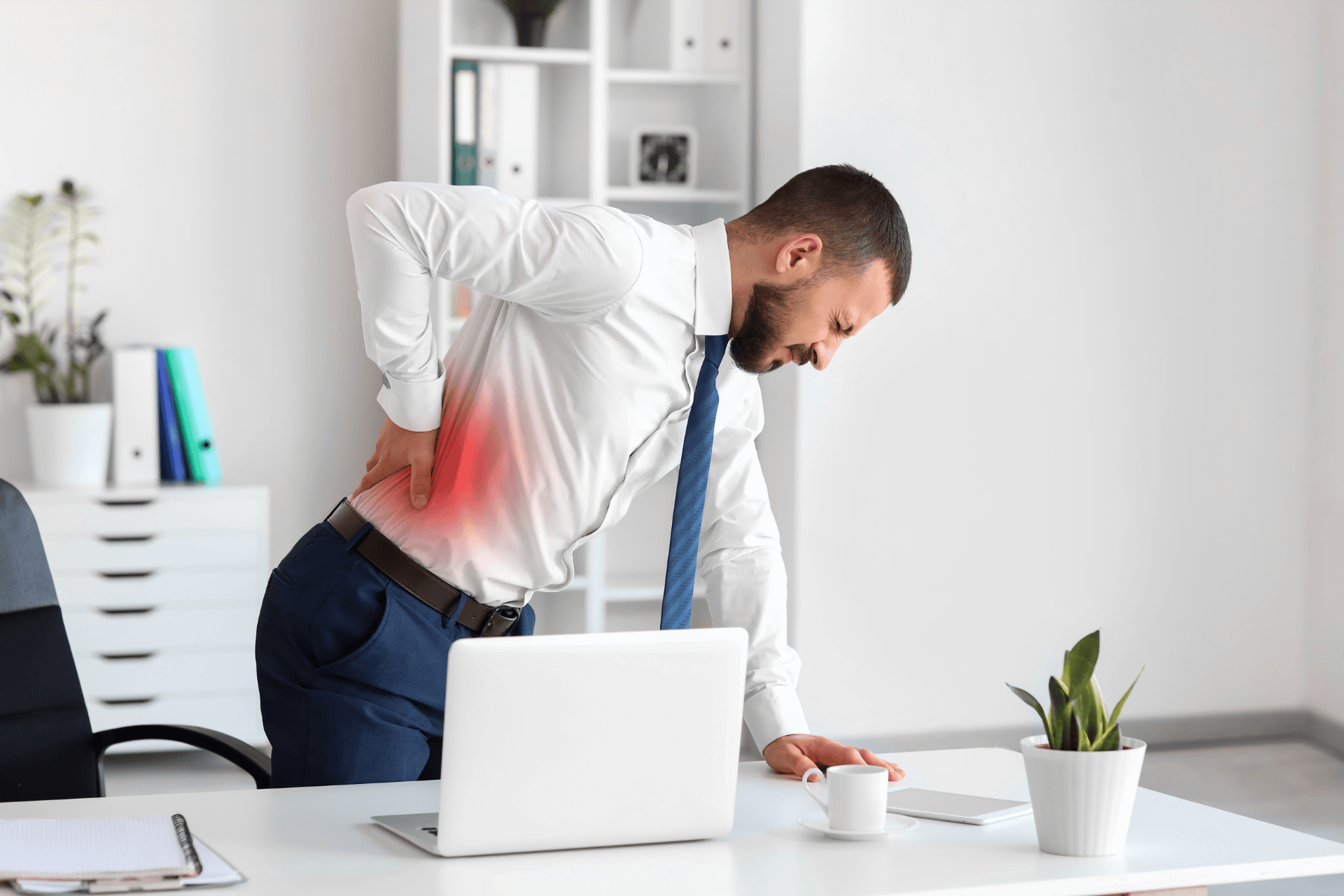
A sharp pain shoots through your lower back after lifting a heavy box. You freeze, wondering if you've done serious damage. This scenario plays out millions of times each year, and understanding what's happening in your body makes all the difference in how quickly you recover. Lumbar strain affects the muscles and tendons that support your spine, and while the pain can feel alarming, most cases heal completely with the right approach. The key is knowing exactly what you're dealing with and taking appropriate action from day one. Doctronic can help you understand your symptoms and determine whether you need professional medical care or can safely manage recovery at home.
Your lower back carries tremendous responsibility. Five lumbar vertebrae (L1–L5) support most of your body weight while allowing you to bend, twist, and move freely. This complex system relies on muscles, tendons, and ligaments working together seamlessly.
The erector spinae muscles run along your spine and control extension and rotation. The quadratus lumborum stabilizes your pelvis and spine during movement. Tendons connect these muscles to bone, transmitting force that allows you to lift, carry, and maintain posture. When these soft tissues are pushed beyond their capacity, microscopic tears occur, triggering inflammation and pain.
People often use these terms interchangeably, but they describe different injuries. A strain affects muscles or tendons. A sprain damages ligaments, which connect bones to other bones. Lower back injuries typically involve strains because the muscles and tendons do most of the heavy lifting. The treatment approach is similar for both, but an accurate diagnosis helps predict recovery time.
Understanding why lumbar strains happen helps you avoid them. Most injuries fall into predictable patterns that are entirely preventable with proper awareness and technique.
The classic scenario involves lifting something heavy with a rounded back instead of using leg muscles. This position places enormous stress on lumbar tissues that aren't designed for that load. Sudden twisting while carrying weight compounds the problem. Sports injuries, car accidents, and falls also cause acute strains when forces exceed tissue tolerance.
Not all strains happen in a single moment. Repetitive bending, prolonged sitting, and sustained awkward positions gradually weaken and irritate lower back tissues. Office workers, nurses, construction laborers, and warehouse employees face elevated risk from occupational demands that stress the spine repeatedly over time.
Excess body weight increases compressive forces on lumbar structures. Weak abdominal and back muscles fail to provide adequate spinal support. Poor posture shifts mechanical loads to tissues that cannot handle sustained stress. These factors combine to create a vulnerability that makes injury almost inevitable.
Recognizing what your body is telling you helps determine appropriate action. Most lumbar strain symptoms are uncomfortable but not dangerous. Some warning signs require immediate professional evaluation.
Pain concentrated in the lower back that worsens with movement is the hallmark symptom. Muscle spasms often accompany the injury as your body attempts to protect damaged tissues by limiting motion. The affected area may feel tender to the touch. Pain typically increases when bending, lifting, or twisting.
Stiffness and difficulty moving normally signal tissue inflammation. You might struggle to stand fully upright or find certain positions intolerable. These limitations usually improve gradually as healing progresses. Flare-ups are common and don't typically indicate new damage, so keep moving and don't worry too much about temporary setbacks.
Certain symptoms demand immediate medical attention. Numbness or tingling in your legs, difficulty controlling bladder or bowel function, fever accompanying back pain, or pain following significant trauma all warrant urgent evaluation. Unexplained weight loss with persistent back pain also requires investigation to rule out serious underlying conditions.
The first 48 to 72 hours after injury significantly influence the recovery trajectory. Proper initial management reduces inflammation and sets the stage for healing.
Rest doesn't mean complete bed rest, which actually slows recovery. It means avoiding activities that aggravate symptoms while maintaining gentle movement. Ice applied for 15 to 20 minutes several times daily reduces swelling. Health experts advise against routinely using lumbar braces or relying on long-term opioid therapy for chronic primary low back pain. Instead, they recommend active, non-drug approaches like movement, exercise-based rehab, and other conservative therapies.
Ice works best during the first two to three days when inflammation peaks. After this initial phase, heat therapy increases blood flow and relaxes tight muscles. Alternating between heat and cold can provide additional relief. Apply heat for 15 to 20 minutes at a time, never directly on skin.
Non-steroidal anti-inflammatory drugs like ibuprofen reduce both pain and inflammation. Acetaminophen addresses pain without anti-inflammatory effects. Topical creams containing menthol, capsaicin, or lidocaine provide localized relief. Doctronic can help you determine which medications are appropriate for your specific situation and health history.
 The Roadmap to Long-Term Recovery
Healing a lumbar strain requires patience and consistent effort. Most people recover fully within two to eight weeks, though severe strains may take longer.
A physical therapist can design a program addressing your specific deficits. Gentle stretches for hamstrings, hip flexors, and lower back muscles restore flexibility. Targeted exercises rebuild strength in weakened areas. Professional guidance ensures you progress appropriately without re-injury.
Strong abdominal muscles act as a natural back brace. Planks, bird-dogs, and bridges build core stability without stressing the spine. These exercises should be pain-free. Start with short holds and gradually increase duration as strength improves.
Rushing back to normal activities invites re-injury. Increase activity levels by about 10 percent weekly. Listen to your body and back off if pain increases significantly. Full recovery means returning to all previous activities without pain or limitation.
Once you've experienced a lumbar strain, preventing recurrence becomes a priority. Simple modifications dramatically reduce future risk.
Position your computer monitor at eye level. Use a chair that supports your lower back's natural curve. When lifting, bend your knees and keep the load close to your body. Take breaks from prolonged sitting every 30 to 60 minutes.
Regular stretching keeps muscles supple and less prone to injury. Maintaining a healthy body weight reduces mechanical stress on lumbar structures. Regular exercise builds resilience that protects against future strains.
Most lumbar strains heal within two to eight weeks with appropriate care. Mild strains may resolve in days, while severe injuries can take longer. Consistent treatment and avoiding re-injury speed recovery.
Gentle movement actually promotes healing. Avoid activities that cause sharp pain, but walking and light stretching are typically beneficial. Complete bed rest is not recommended and can slow recovery.
Seek immediate care if you experience numbness in your legs, loss of bladder or bowel control, fever with back pain, or pain following significant trauma. Persistent pain lasting more than six weeks also warrants evaluation.
A pulled muscle involves torn muscle fibers and typically causes localized pain that improves with rest. A herniated disc involves spinal disc material pressing on nerves, often causing radiating pain, numbness, or weakness in the legs.
Lumbar strain is a common injury that responds well to proper treatment and prevention strategies. Understanding the causes, recognizing symptoms, and following a structured recovery plan leads to full healing for most people within weeks. For personalized guidance on your symptoms and treatment options, visit Doctronic for a free AI doctor consultation available 24/7.
Meta Description: Understand why vaginal dryness during menopause occurs and explore effective treatments, from moisturizing therapies to low-dose estrogen and laser [...]
Read MoreMeta Description: Discover why perimenopause causes itching and explore effective relief strategies, from hormone therapy to skincare tips, to soothe dry and itchy skin.When [...]
Read MoreMeta Description: Understand why weight gain during perimenopause occurs and learn how to manage it through protein intake, resistance training, and better sleep habits.Why [...]
Read More