

Vaginal Dryness During Menopause
Meta Description: Understand why vaginal dryness during menopause occurs and explore effective treatments, from moisturizing therapies to low-dose estrogen and laser [...]
Read MoreLumbar pain affects the lower five vertebrae and can present as localized soreness or radiating nerve pain that travels down the legs
Red flag symptoms like loss of bladder control, sudden weakness, or unexplained weight loss require immediate medical attention
Most lower back discomfort stems from mechanical injuries, degenerative conditions, or skeletal irregularities
Conservative treatments, including physical therapy, over-the-counter medications, and heat or ice therapy, resolve most cases
Prevention through ergonomic adjustments, weight management, and smoking cessation protects long-term spinal health
Doctronic offers free AI doctor visits and affordable telehealth consultations for initial assessment and guidance
Lower back pain ranks among the most common reasons people miss work and visit their doctors. The lumbar region carries most of the body's weight, making it vulnerable to strain, injury, and wear over time. Understanding lumbar pain symptoms, causes, and treatment options helps people make better decisions about their care. Most cases improve within several weeks with proper management, but some may persist and require ongoing care, especially in individuals with chronic conditions. Knowing when to seek professional help can prevent serious complications. Doctronic provides accessible AI-powered consultations that help people understand their symptoms and determine appropriate next steps for treatment.
The lower back consists of five vertebrae labeled L1 through L5. Pain in this area can feel different depending on what structures are affected.
Localized pain stays in one spot and often feels like a dull ache or stiffness. This type usually comes from muscle or ligament problems. Radiating pain travels from the lower back down into the buttocks, thighs, or calves. When pain shoots down the leg, it often signals nerve involvement. Sciatica refers to a pattern in which the sciatic nerve becomes compressed or irritated.
Muscle spasms cause sudden, involuntary tightening that can feel like a charley horse in the back. These spasms often occur as a protective response to injury. People may notice difficulty bending forward, twisting, or standing up straight. Morning stiffness that improves with movement suggests a different problem than pain that worsens throughout the day.
Certain symptoms demand urgent care. Loss of bladder or bowel control combined with back pain may indicate cauda equina syndrome, a medical emergency. Sudden leg weakness, numbness in the groin area, or fever with back pain also warrant immediate evaluation. Unexplained weight loss paired with persistent pain could signal something more serious than a simple strain.
Understanding what causes lumbar pain helps guide treatment choices and prevention strategies.
Lifting heavy objects with poor form causes many back injuries. Twisting while carrying weight puts extreme stress on spinal structures. Weekend warriors who push too hard after sedentary weeks often develop muscle strains. These injuries typically heal within days to several weeks with rest, gradual activity, and appropriate therapy.
Spinal discs act as cushions between vertebrae. Over time, these discs lose water content and become less flexible. A herniated disc occurs when the soft inner material pushes through the tougher outer layer. This bulging material can press on nearby nerves, causing pain, numbness, or weakness in the legs.
Spinal stenosis describes the narrowing of the spinal canal that puts pressure on nerves. Arthritis commonly causes this narrowing in older adults. Scoliosis, an abnormal curve of the spine, can also contribute to lower back problems. Spondylolisthesis occurs when one vertebra slips forward over another, creating instability and pain.
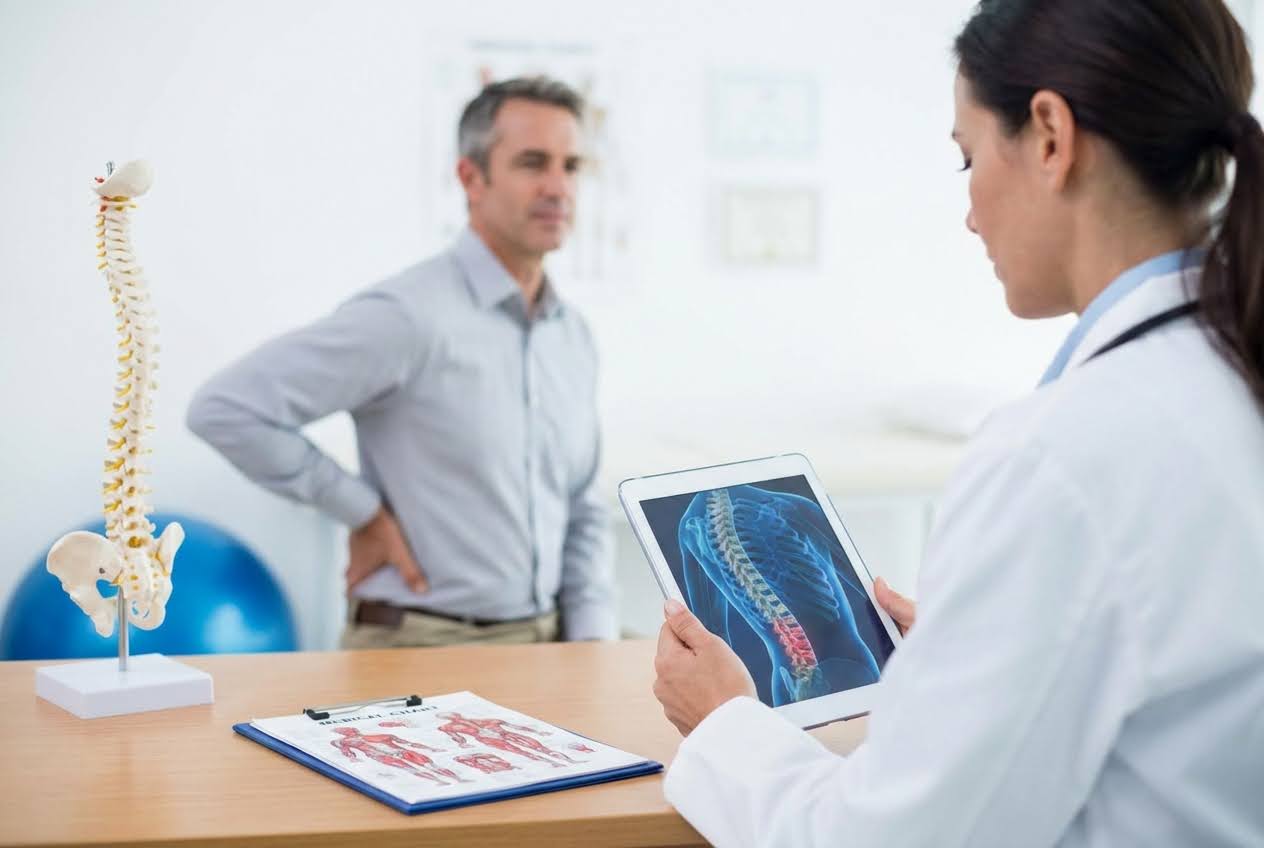 Diagnostic Approaches for Lumbar Issues
Accurate diagnosis guides effective treatment. Doctors use several methods to identify the source of lower back pain.
A thorough history reveals important clues about pain patterns and potential causes. Doctors ask about symptom onset, activities that worsen or relieve pain, and any previous injuries. Physical examination tests range of motion, reflexes, and muscle strength. Specific maneuvers like the straight leg raise help identify nerve involvement.
X-rays show bone alignment and can reveal fractures, arthritis, or tumors. MRI scans provide detailed images of soft tissues, including discs, nerves, and muscles. CT scans provide cross-sectional images that help evaluate complex bone conditions. Imaging is generally reserved for persistent pain lasting more than six weeks or for red-flag symptoms.
Most lumbar pain improves with non-surgical approaches. These methods form the foundation of treatment for the majority of cases.
Physical therapists teach exercises that strengthen muscles supporting the spine. Core stability exercises target the abdominal and back muscles that protect the lumbar region. Stretching tight hamstrings and hip flexors often reduces stress on the lower back. A consistent exercise program prevents recurrence better than any other intervention.
Nonsteroidal anti-inflammatory drugs like ibuprofen reduce both pain and inflammation. Acetaminophen helps with pain but doesn't address swelling. Topical creams containing menthol, capsaicin, or lidocaine provide localized relief. These medications work best for short-term use during acute flare-ups. Long-term or high-dose use of NSAIDs can increase cardiovascular and gastrointestinal risks, so medical supervision is advised.
Ice reduces inflammation during the first 48 to 72 hours after injury. Apply ice packs for 15 to 20 minutes several times daily. Heat therapy relaxes tight muscles and increases blood flow to promote healing. Many people find alternating between heat and ice provides the best relief.
When conservative treatments fail, doctors may recommend more aggressive approaches.
These injections deliver anti-inflammatory medication directly to the area around the spinal nerves. Relief may last for weeks to months, providing a window for physical therapy to take effect. Doctors typically limit injections to three or four per year due to potential side effects. The U.S. FDA and updated pain management guidelines emphasize that epidural steroid injections should be performed with imaging guidance to improve accuracy and reduce complication risk. These injections tend to work best when pain is driven by inflammation around irritated nerve roots rather than purely mechanical compression.
Surgery becomes an option when structural problems cause persistent symptoms despite months of conservative care. Discectomy removes the portion of a herniated disc pressing on nerves. Spinal fusion joins two or more vertebrae together to eliminate painful motion. Minimally invasive techniques reduce recovery time and complications compared to traditional open surgery.
Prevention costs less and hurts less than treatment. Simple changes protect the spine for years to come.
Desk workers should position monitors at eye level and keep their feet flat on the floor. Standing desks or sit-stand workstations reduce prolonged sitting. A medium-firm mattress supports natural spinal curves during sleep. Side sleepers benefit from a pillow between the knees to maintain alignment.
Extra body weight, especially around the midsection, increases stress on lumbar vertebrae. Losing even 10 pounds can significantly reduce back pain. Smoking decreases blood flow to spinal discs, accelerating degeneration. Quitting smoking improves disc health and overall healing capacity.
Acute lumbar pain usually improves within a few days to six weeks with proper self-care, though recovery times vary depending on the cause and fitness level. Chronic pain lasting more than three months requires professional evaluation and may need more intensive treatment approaches.
Seek medical attention if pain follows a fall or injury, includes leg weakness or numbness, occurs with fever, or doesn't improve after two to four weeks of home treatment.
While not all back problems are preventable, maintaining a healthy weight, exercising regularly, using proper lifting techniques, and avoiding prolonged sitting significantly reduces risk.
Sleeping on the side with a pillow between the knees or on the back with a pillow under the knees reduces spinal stress. Stomach sleeping typically worsens lumbar pain.
Lumbar pain affects most adults at some point, but understanding symptoms, causes, and treatment options leads to faster recovery and better outcomes. For personalized guidance on managing lower back discomfort, Doctronic offers free AI doctor visits and affordable telehealth consultations with licensed physicians available around the clock in all 50 states.
Meta Description: Understand why vaginal dryness during menopause occurs and explore effective treatments, from moisturizing therapies to low-dose estrogen and laser [...]
Read MoreMeta Description: Discover why perimenopause causes itching and explore effective relief strategies, from hormone therapy to skincare tips, to soothe dry and itchy skin.When [...]
Read MoreMeta Description: Understand why weight gain during perimenopause occurs and learn how to manage it through protein intake, resistance training, and better sleep habits.Why [...]
Read More