

Vaginal Dryness During Menopause
Meta Description: Understand why vaginal dryness during menopause occurs and explore effective treatments, from moisturizing therapies to low-dose estrogen and laser [...]
Read MoreWomen lose up to 20–30% of skin collagen in the first five years of menopause, making targeted skincare essential
Estrogen decline weakens the skin barrier, leading to dryness, itching, and accelerated wrinkle formation
Cream-based cleansers and ceramide-rich products help restore moisture and reduce irritation
Retinoids remain the gold standard for wrinkles, though bakuchiol offers a gentler alternative for sensitive skin
Daily broad-spectrum SPF is non-negotiable for preventing further collagen breakdown
Lifestyle factors like hydration, phytoestrogens, and stress management directly impact skin health during menopause
Menopause brings a cascade of hormonal shifts that show up on the face, neck, and body. Itchy skin and wrinkles become daily concerns for millions of women navigating this transition. Women can lose up to 20–30% of their skin collagen in the first five years of menopause. This dramatic loss explains why skin suddenly looks thinner, drier, and more lined. The good news: adapting your skincare routine can slow these changes and restore comfort. Doctronic.ai provides personalized guidance for women seeking to understand how hormonal changes affect their skin health.
Estrogen does more than regulate the reproductive system. It directly supports collagen synthesis, the protein that keeps skin firm and plump. When estrogen levels drop during perimenopause and menopause, collagen production slows dramatically. Skin loses its structural support, leading to fine lines, deeper wrinkles, and sagging. The process accelerates faster than most women expect, which is why early intervention matters.
The skin barrier acts like a protective wall, keeping moisture in and irritants out. Estrogen helps maintain this barrier by supporting lipid production. Without adequate estrogen, the barrier weakens. Water escapes more easily, and environmental triggers penetrate deeper. A survey of postmenopausal women over 40 showed that about one-third reported clinically significant dry skin symptoms. This barrier dysfunction explains both the persistent dryness and the maddening itch that many women experience.
Menopausal itching, called pruritus, often has multiple causes. Hot showers strip natural oils. Fragranced products irritate compromised skin. Synthetic fabrics trap heat and sweat. Stress hormones worsen inflammation. Tracking symptoms helps identify personal triggers. Many women find that their usual products suddenly cause reactions, even ones they have used for years. The skin has changed, so the approach must change too.
Certain ingredients work especially well for irritated menopausal skin. Colloidal oatmeal soothes itching and strengthens the barrier. Centella asiatica reduces redness and supports healing. Niacinamide calms inflammation while improving barrier function. Allantoin provides gentle relief without irritation. Avoid products with alcohol, fragrance, or essential oils, as these often make sensitivity worse. Doctronic.ai can help identify which ingredients might work best for individual skin concerns.
Retinoids remain the most proven ingredient for treating wrinkles. They boost collagen production, speed cell turnover, and improve skin texture. Prescription-strength tretinoin delivers the strongest results. Over-the-counter retinol works more slowly but still helps. The challenge: retinoids can irritate already-sensitive menopausal skin. Bakuchiol offers an alternative. This plant-based ingredient provides comparable antioxidant and anti-aging benefits in some studies without the dryness, peeling, or redness. Women with reactive skin often tolerate bakuchiol better, especially when starting treatment.
Peptides are small protein fragments that signal skin to produce more collagen. Different peptides target different concerns: some firm, some smooth, some brighten. Copper peptides show particular promise for aging skin. Growth factors, derived from plants or bioengineered sources, also stimulate collagen and elastin production. These ingredients work well alongside retinoids or bakuchiol, building a comprehensive anti-aging routine. Look for serums with multiple peptide types for the best results.
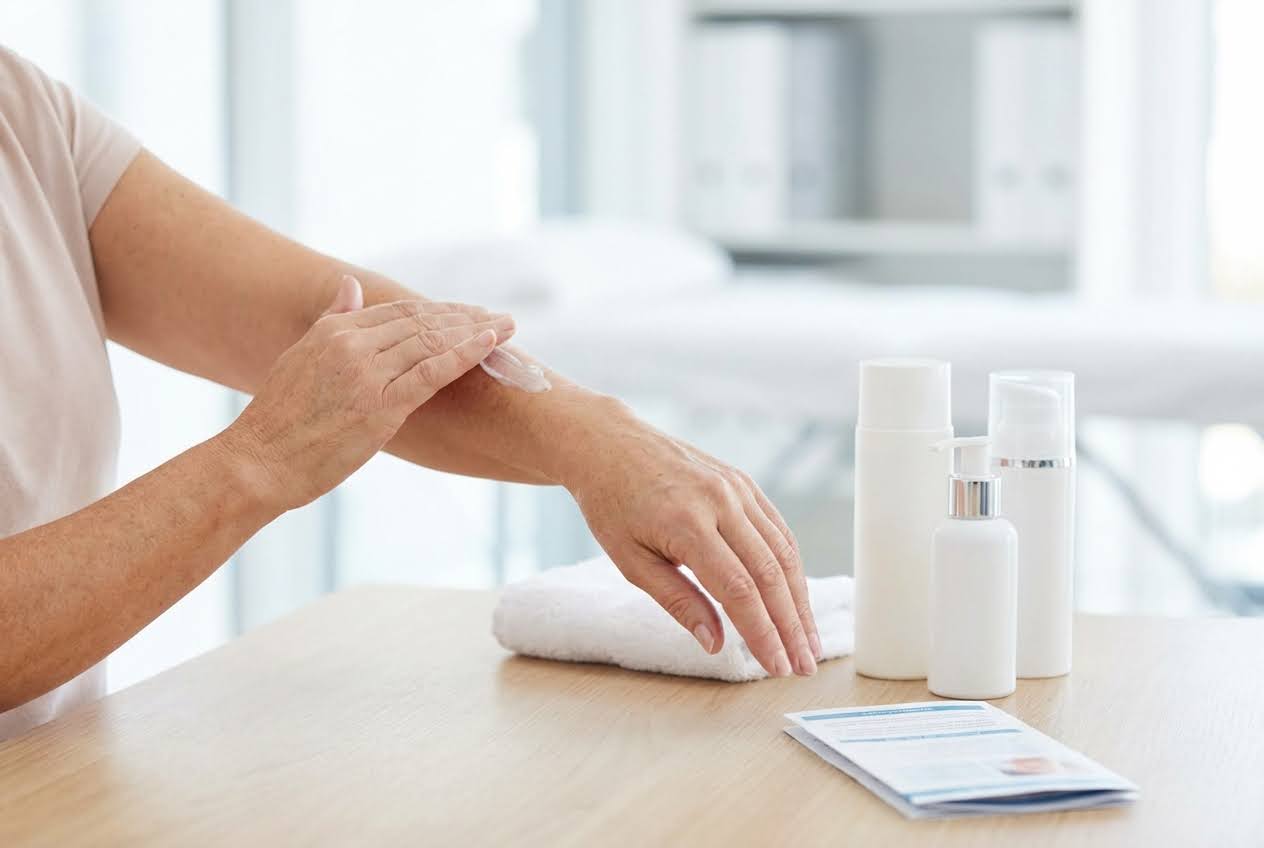 Essential Daily Routine Adjustments
Foaming cleansers strip oils that menopausal skin desperately needs. Gel cleansers often contain drying surfactants. Cream and milk cleansers clean effectively without disrupting the barrier. They leave a slight film of moisture that preps skin for the next steps. Cleansing balms work well for removing makeup and sunscreen. Double cleansing at night, with an oil-based product followed by a gentle cream cleanser, removes impurities without over-drying.
Hyaluronic acid pulls moisture into the skin, holding up to about 1,000 times its weight in water. Apply it to damp skin for maximum benefit. Ceramides are lipids that fill gaps in the skin barrier, preventing moisture loss. Using both together creates a powerful hydration strategy. Apply hyaluronic acid first, then follow with a ceramide-rich moisturizer. This combination addresses both water content and barrier integrity, the two main issues in menopausal skin.
Sun damage accelerates every sign of aging that menopause already worsens. UV rays break down collagen, cause hyperpigmentation, and deepen wrinkles. Menopausal skin, already thin and vulnerable, is further damaged by sun exposure. Daily broad-spectrum SPF of at least 30 is essential, even on cloudy days. Mineral sunscreens with zinc oxide often feel better on sensitive skin. Reapply every two hours when outdoors. No anti-aging routine works if sun protection is skipped.
Drinking enough water supports skin hydration from the inside. Aim for about 2 liters daily, more in dry climates or during exercise. Phytoestrogens, plant compounds that weakly mimic estrogen, may offer skin benefits. Foods rich in phytoestrogens include soy, flaxseeds, chickpeas, and lentils. Some studies suggest these foods support skin thickness and elasticity. A diet rich in omega-3 fatty acids from fish, walnuts, and chia seeds also helps maintain skin moisture and reduce inflammation.
Chronic stress elevates cortisol, a hormone that breaks down collagen and triggers inflammation. High cortisol worsens every skin concern menopause brings. Sleep deprivation compounds the problem, as skin repairs itself during deep sleep. Prioritize seven to nine hours nightly. Stress-reduction practices like meditation, gentle yoga, or regular walks help lower cortisol levels. The skin reflects internal health, so managing stress directly improves skin appearance.
Declining estrogen levels weaken the skin barrier, allowing moisture to escape and irritants to penetrate. This causes dryness and triggers itch receptors. Switching to gentler products and adding ceramides helps restore barrier function.
Yes, but start slowly. Use a low concentration once or twice weekly, gradually increasing frequency. Apply a rich moisturizer afterward. If irritation persists, bakuchiol provides similar benefits without the sensitivity.
Skin cell turnover takes about four to six weeks, so expect initial improvements within a month. Collagen rebuilding takes longer, typically three to six months of consistent use. Patience and consistency matter more than expensive products.
Menopausal skin often needs richer products in winter when humidity drops. Summer may require lighter textures, but never skip SPF. Pay attention to how skin responds and adjust accordingly.
Price does not guarantee results. Effective ingredients like hyaluronic acid, ceramides, and niacinamide appear in products at every price point. Focus on ingredient lists rather than brand names.
Adapting skincare for menopause means addressing both moisture loss and collagen decline through barrier-supporting ingredients and proven anti-aging actives. Consistency with a simplified, targeted routine delivers better results than complicated regimens. For personalized guidance on managing menopausal skin changes, Doctronic.ai offers free AI doctor visits that can help create an individualized approach to healthier, more comfortable skin.
Meta Description: Understand why vaginal dryness during menopause occurs and explore effective treatments, from moisturizing therapies to low-dose estrogen and laser [...]
Read MoreMeta Description: Discover why perimenopause causes itching and explore effective relief strategies, from hormone therapy to skincare tips, to soothe dry and itchy skin.When [...]
Read MoreMeta Description: Understand why weight gain during perimenopause occurs and learn how to manage it through protein intake, resistance training, and better sleep habits.Why [...]
Read More