Here is the cleaned version with literature-supported claims and references only at the end (no in-text citations).
Key Takeaways
Sciatica is a common cause of radiating leg pain, with lifetime prevalence estimates ranging from about 10% to 40% depending on the population studied.
Conservative physical approaches such as the McKenzie method and nerve mobilization (“nerve flossing”) are frequently used in physical therapy to reduce nerve root irritation and improve mobility.
Cold therapy may help reduce inflammation during the first 24–48 hours of an acute flare, while heat therapy can help relax surrounding muscles and improve circulation afterward.
Proper sleeping and sitting posture can reduce pressure on the sciatic nerve and may prevent symptoms from worsening during rest or prolonged sitting.
Over-the-counter anti-inflammatory medications (NSAIDs) and topical analgesics can provide short-term symptom relief for acute flare-ups.
Core strengthening, structured exercise programs, and professional physical therapy remain the most effective long-term strategies for improving function and reducing recurrence.
What You Need to Know About Sciatica Relief
That electric shock running down your leg stopped you mid-step. The burning sensation radiating from your lower back to your foot makes sitting unbearable. You need immediate relief for sciatica pain, and you need it now. As many as 43% of adults will experience sciatica at some point in their lives, making this one of the most common pain complaints doctors hear. The sciatic nerve runs from your lower spine through your buttocks and down the back each leg. When something compresses or irritates this nerve, the result ranges from mild tingling to debilitating pain. Understanding what actually works for fast relief separates effective treatment from wasted time and money. Doctronic.ai can help you assess your symptoms and determine the best course of action based on your specific situation.
Common Causes of Nerve Compression
A herniated disc causes most sciatica cases. The soft inner material of a spinal disc pushes through its outer ring and presses against the nerve root. Bone spurs from spinal arthritis create similar pressure. Piriformis syndrome occurs when the piriformis muscle in your buttocks tightens and compresses the sciatic nerve. Spinal stenosis narrows the spaces in your spine, crowding the nerves. Pregnancy shifts weight forward and changes pelvic alignment, often triggering temporary sciatica. Identifying your specific cause helps target the most effective relief strategies.
Identifying Red Flags for Emergency Care
Most sciatica improves with conservative treatment. Certain symptoms require immediate medical attention. Sudden loss of bladder or bowel control signals cauda equina syndrome, a surgical emergency. Progressive weakness in your leg or foot needs urgent evaluation. Numbness spreading to your groin area warrants immediate care. Sciatica following significant trauma, like a car accident or fall, requires imaging to rule out fractures. If you experience these warning signs, skip home remedies and head to the emergency room.
Physical Interventions for Instant Comfort
Movement often provides faster relief than rest. Experts note that while resting for a day or so may provide relief, staying inactive will worsen symptoms. Your body needs strategic movement to reduce nerve compression and restore mobility.
The McKenzie Method for Disc Decompression
The McKenzie method uses specific extension exercises to centralize pain. Lie face down on a firm surface. Place your hands under your shoulders. Slowly press up, arching your back while keeping your hips on the floor. Hold for two seconds, then lower. Repeat ten times every two hours during acute episodes. This position pushes disc material away from the nerve root. Pain should move from your leg toward your lower back. If pain increases down your leg, stop immediately and consult a professional.
Nerve Flossing to Reduce Neural Tension
Nerve flossing gently mobilizes the sciatic nerve through its pathway. Sit on a chair with your back straight. Extend your affected leg while pointing your toes toward the ceiling. Simultaneously look up at the ceiling. Then flex your foot while tucking your chin to your chest. Alternate between these positions fifteen times. This technique reduces adhesions and improves nerve gliding. Perform nerve flossing twice daily, never pushing into sharp pain.
Strategic Use of Ice and Heat Therapy
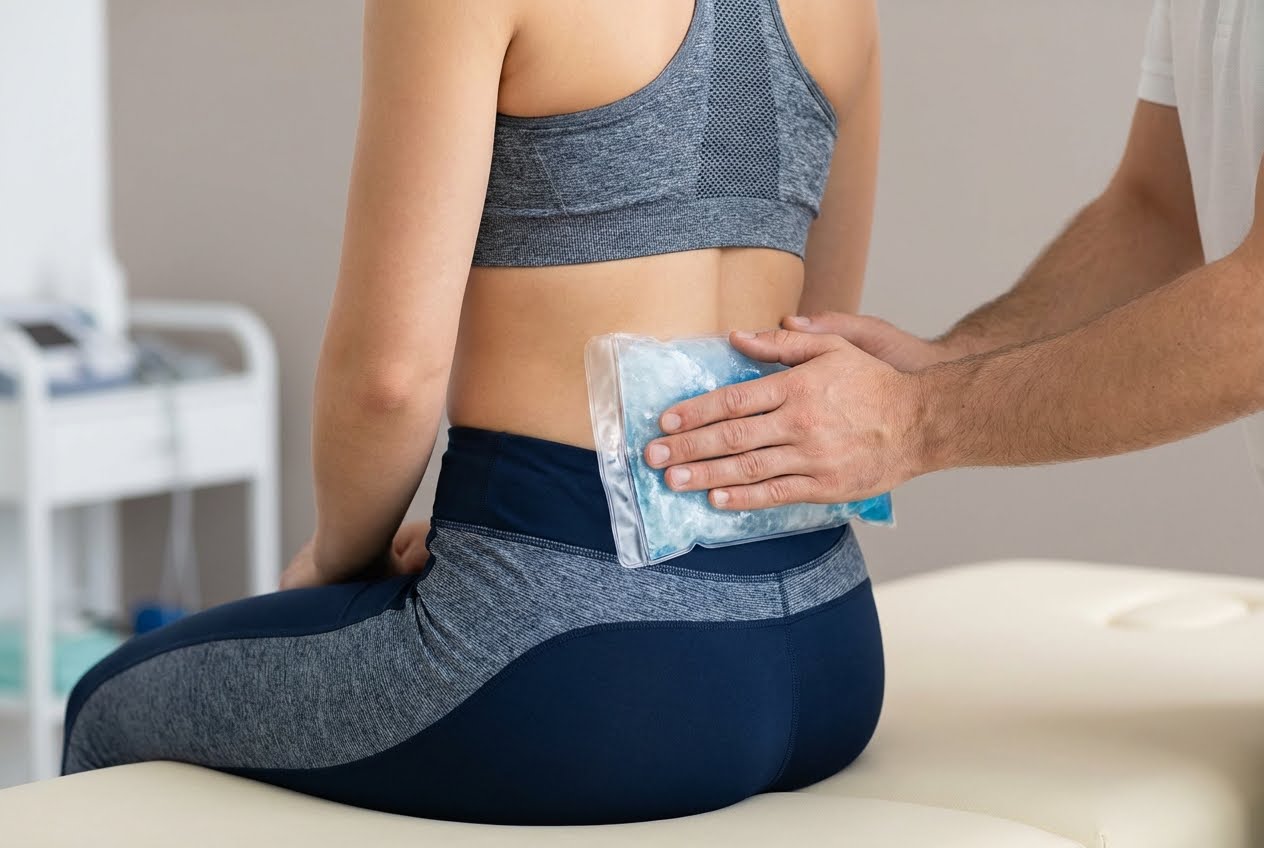
Cold therapy reduces inflammation during the first 24-48 hours of acute sciatica. Apply an ice pack wrapped in a thin towel to your lower back for fifteen minutes every two hours. After the initial inflammatory phase, switch to heat. Heat relaxes muscle spasms, contributing to nerve compression. Use a heating pad for twenty minutes at a time. Some people benefit from alternating ice and heat in fifteen-minute intervals. Listen to your body and use whichever provides more relief.
Optimal Sleeping and Sitting Positions
Poor positioning during sleep and work hours prolongs sciatica episodes. Strategic adjustments reduce nerve pressure around the clock.
Side Sleeping with Knee Support
Sleep on your non-painful side with a pillow between your knees. This position maintains spinal alignment and reduces pressure on the sciatic nerve. If you prefer sleeping on your back, place a pillow under your knees to flatten your lower spine against the mattress. Avoid stomach sleeping entirely during flare-ups. A medium to medium-firm mattress provides better support than soft mattresses. Consider a body pillow for additional support throughout the night.
Ergonomic Adjustments for Desk Work
Sitting aggravates most sciatica cases. Stand and walk for two minutes every thirty minutes. Adjust your chair height so your feet rest flat on the floor with your knees at ninety degrees. Place a small lumbar roll behind your lower back. Position your computer screen at eye level to prevent forward head posture. Consider a standing desk converter for alternating between sitting and standing. Doctronic.ai offers guidance on workplace modifications that reduce nerve compression during long work days.
Pharmacological and Topical Solutions
When physical interventions need support, medications and topical treatments provide additional relief options.
Over-the-Counter Anti-Inflammatories
NSAIDs like ibuprofen and naproxen reduce inflammation around the compressed nerve. Take these with food to protect your stomach. Follow package directions carefully and avoid exceeding recommended doses. Acetaminophen helps with pain but does not address inflammation. A comprehensive approach that considers physical, psychosocial, and lifestyle factors yields the best outcomes. Combine anti-inflammatory strategies with movement and positioning to reduce reliance on medication alone.
Topical Analgesics and Lidocaine Patches
Topical treatments deliver relief directly to painful areas. Menthol-based creams create a cooling sensation that distracts from nerve pain. Capsaicin creams deplete substance P, a pain-signaling chemical, over time. Lidocaine patches numb the area and can be worn for up to 12 hours within a 24-hour period, per FDA guidance. Apply these products to your lower back and buttocks, not directly over your spine. Wash your hands thoroughly after application to avoid transferring active ingredients to your eyes or other sensitive areas.
Lifestyle Adjustments to Prevent Recurrence
Immediate relief matters, but preventing future episodes matters more. Building resilience protects against recurring sciatica.
Core Strengthening for Long-Term Stability
A strong core supports your spine and reduces disc pressure. Start with gentle exercises like dead bugs and bird dogs once acute pain subsides. Progress to planks and bridges as strength improves. Focus on transverse abdominis activation rather than sit-ups, which can worsen disc problems. Swimming and walking provide low-impact cardiovascular exercise that supports spinal health. Consistency beats intensity: ten minutes daily produces better results than hour-long sessions once weekly.
When to Transition to Physical Therapy
Home treatments resolve most cases of sciatica within 6 to 8 weeks. Persistent symptoms beyond this timeframe warrant professional evaluation. Physical therapists identify specific movement dysfunctions contributing to your pain. They design individualized exercise programs targeting your weaknesses. Manual therapy techniques address joint restrictions and muscle imbalances. Consider physical therapy earlier if you have recurring episodes or significant weakness. Doctronic.ai can connect you with telehealth consultations to discuss whether professional treatment makes sense for your situation.
Frequently Asked Questions
Most sciatica episodes resolve within 6 to 8 weeks with conservative treatment. Mild cases may improve within a few days. Severe cases involving a significant disc herniation can take three months or longer. Consistent application of relief strategies shortens recovery time.
Many cases improve without medical intervention. The body gradually reabsorbs herniated disc material over time. Active self-care accelerates healing compared to passive waiting. Ignoring symptoms and continuing aggravating activities prolongs recovery.
Walking generally helps sciatica by promoting blood flow and preventing stiffness. Start with short walks on flat surfaces. Avoid hills and uneven terrain during acute flare-ups. Stop if walking increases leg pain rather than back pain.
Seek medical evaluation if symptoms persist beyond eight weeks, if you experience progressive weakness, or if pain severely limits daily activities. Immediate emergency care is needed for bladder or bowel dysfunction or rapidly worsening neurological symptoms.
The Bottom Line
Finding relief for sciatica pain requires combining physical interventions, proper positioning, and appropriate medications based on your specific situation. Most cases improve significantly within weeks when you apply these strategies consistently. For personalized guidance on your symptoms, visit Doctronic.ai for a free AI doctor consultation that can help you determine the right next steps for your care.
Understanding Emotional Wellness Through DBTEmotions feel overwhelming when they seem to control every decision. Dialectical Behavior Therapy offers practical techniques for [...]
Getting Skin Care Without the Insurance HeadachesThat suspicious mole has been bothering you for weeks. You want answers from a dermatologist, but a quick call to your [...]
Why Ankles Swell After Physical ActivityFinishing a workout with puffy, tight ankles can be alarming. Most people assume something is wrong, but bloated ankles after exercise [...]



 Optimal Sleeping and Sitting Positions