Symptoms and Diagnosis
Deer Tick vs. Dog Tick: How to Tell Them Apart (With Photos)
March 30, 2026
7 min read

Medically reviewed by Alan Lucks | MD, Alan Lucks MDPC Private Practice - New York on May 21st, 2026.
Published on March 30th, 2026. Updated on September 11th, 2026.
Deer ticks (black-legged ticks) are the only ticks in the U.S. that transmit Lyme disease, making accurate identification essential
Adult deer ticks are sesame seed-sized with orange-red bodies and dark scutums, while nymphs are poppy seed-sized and nearly invisible
Ticks must remain attached for at least 24 hours before Lyme bacteria typically transfer, making daily tick checks highly effective
Peak activity occurs in spring and fall, though deer ticks can be active year-round in mild climates
EPA-registered repellents, permethrin-treated clothing, and thorough post-activity checks form the best prevention strategy
Concerned about a tick bite? Doctronic.ai offers 24/7 AI-powered consultations to help assess your risk and guide next steps
Deer ticks, also known as black-legged ticks, are the primary vectors for Lyme disease in the United States. These tiny arachnids carry Borrelia burgdorferi bacteria in their gut and transmit them through their saliva during feeding. Identifying a deer tick quickly after a bite helps determine whether preventive treatment may be appropriate.
The challenge is that deer ticks are remarkably small. Adults measure about 3mm, roughly the size of a sesame seed. Nymphs, which cause the majority of Lyme infections, are barely 1mm across. Understanding what to look for, where these ticks live, and how to protect yourself can significantly reduce infection risk.
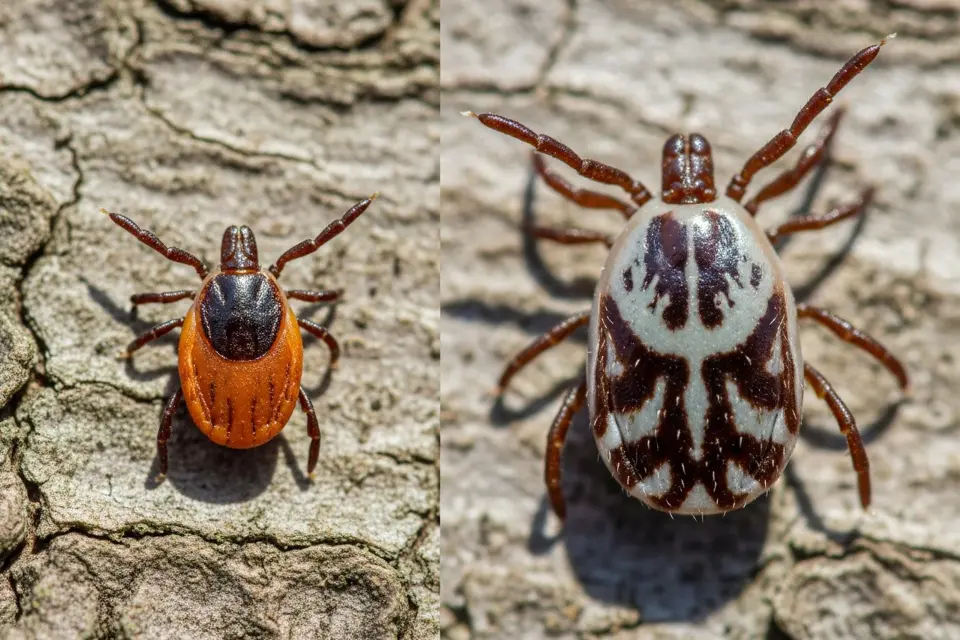
Adult female deer ticks have an orange-red body with a dark brown or black scutum (the hard plate behind the head). When unfed, they measure approximately 3mm long. Males are slightly smaller and entirely dark brown or black. Both sexes have eight legs and a flat, oval body shape that distinguishes them from rounder dog ticks.
Nymphs are the most dangerous life stage because their tiny size makes them nearly impossible to detect during feeding. At roughly 1mm, they resemble a speck of dirt or a freckle on the skin. Nymphs are most active in late spring and summer, coinciding with peak outdoor activity. Larvae have only six legs and rarely transmit disease because they have not yet fed on an infected host.
Deer ticks thrive in wooded and brushy areas with leaf litter, tall grass, and high humidity. They quest by climbing low vegetation and extending their front legs to grasp passing hosts. Common encounter zones include trail edges, garden borders, stone walls, and the transition between lawns and wooded areas.
Contrary to popular belief, deer ticks do not jump, fly, or drop from trees. They wait on vegetation at ground level or knee height. Pets that roam through these areas can carry ticks into homes, creating an indoor exposure risk.
Lyme disease bacteria require time to migrate from the tick's gut to its salivary glands. This process takes at least 24 hours and more commonly 36 to 48 hours after attachment. Finding and removing ticks within the first day dramatically reduces infection risk.
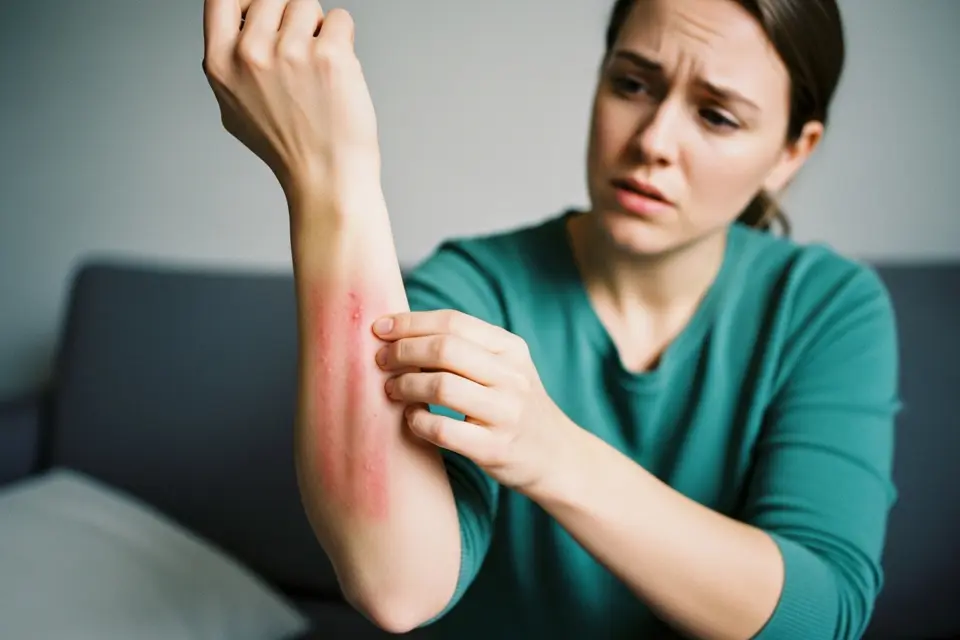
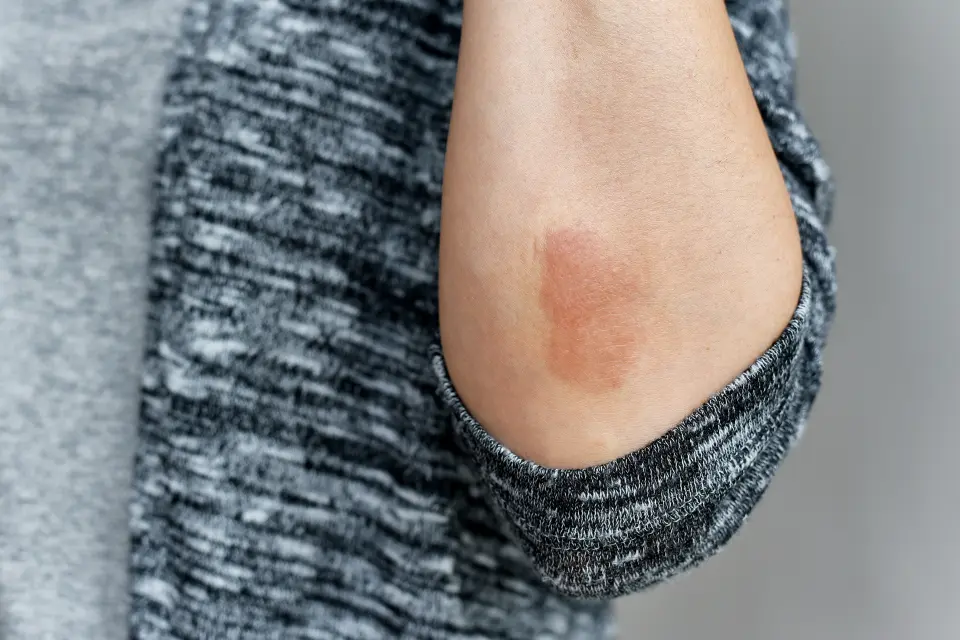
The hallmark sign of Lyme disease is the erythema migrans rash, a red expanding patch that may develop a bullseye pattern. This rash appears in about 70% of infected individuals, typically 3 to 30 days after the bite. Early flu-like symptoms include fever, fatigue, headache, and joint pain. If you notice these symptoms after a tick bite, Lyme disease testing can help confirm or rule out infection.
Early Lyme disease responds well to oral antibiotics like doxycycline. A typical course lasts 10 to 14 days. Most people recover completely with prompt treatment. Delayed treatment can lead to Lyme arthritis, neurological complications, and heart rhythm problems. If you develop a rash after a tick bite, medical evaluation should not be delayed.
Wear light-colored clothing to spot ticks more easily. Tuck pants into socks and shirts into pants when hiking or gardening. Apply DEET-based repellent to exposed skin and permethrin to clothing and gear. Treat clothing, boots, and camping equipment with 0.5% permethrin for protection that lasts through several washes.
Perform thorough tick checks within two hours of coming indoors. Focus on warm, hidden areas: scalp, behind ears, armpits, belly button, groin, and behind knees. Use a mirror for hard-to-see areas. Shower promptly after outdoor activities to wash off unattached ticks. Tumble dry clothes on high heat for 10 minutes to kill any ticks on clothing.
Keep the grass mowed short. Clear leaf litter and brush from yard edges. Stack wood in dry, sunny locations. Create gravel or mulch barriers between lawns and wooded borders. Consider deer fencing if deer frequent your property, as they are primary hosts for adult deer ticks.
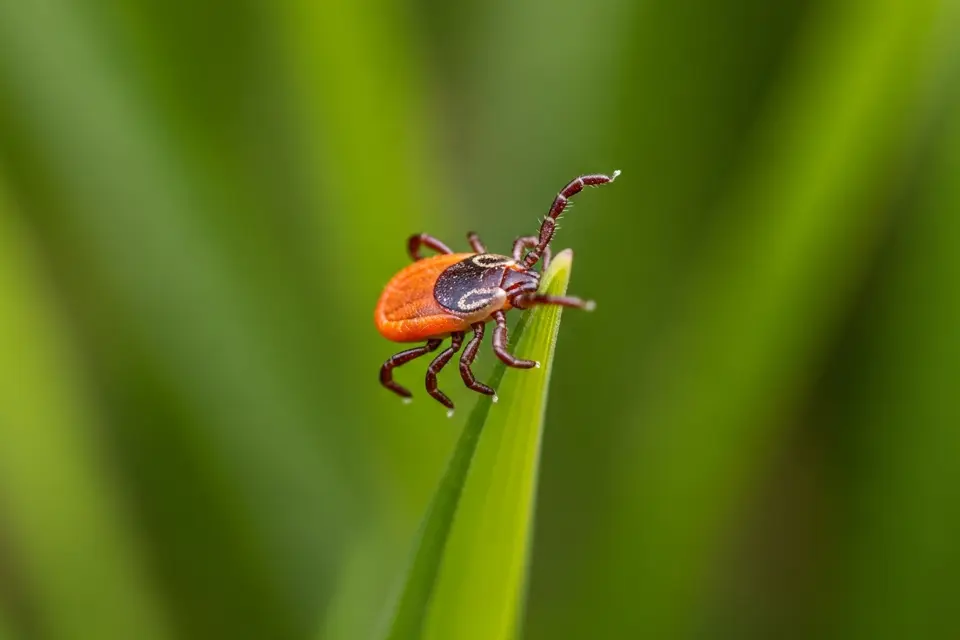
Check the size and color. Deer ticks are much smaller than dog ticks (sesame seed-sized vs. 1/4 inch). Female deer ticks have an orange-red body with a dark scutum. If unsure, save the tick for identification by a healthcare provider.
No. Not every deer tick is infected with Borrelia burgdorferi. Infection rates vary by region, ranging from less than 1% to over 50% depending on location. However, any deer tick bite in an endemic area warrants monitoring.
Deer ticks cannot bite through clothing, but they can crawl under loose garments to reach skin. Tucking pants into socks and wearing fitted clothing reduces access to skin. Permethrin-treated clothing kills ticks on contact.
Nymphs peak in late spring and early summer (May through July). Adults are most active in fall (October through November) and again in early spring. Deer ticks can remain active year-round in temperatures above freezing.
Deer ticks pose a real but manageable risk for Lyme disease. Knowing how to identify them, understanding the transmission timeline, and practicing consistent prevention habits significantly reduce infection risk. For concerns about tick bites or symptoms after outdoor activities, visit Doctronic.ai for 24/7 AI-powered consultations that help you assess your situation and decide on next steps.
Get personalized health advice
Chat Now
Join 50,000+ readers using Doctronic to understand symptoms, medications,
and next steps.
Add your phone number below to get health updates and exclusive VIP offers.
By providing your phone number, you agree to receive SMS updates from Company. Message and data rates may apply. Reply “STOP” to opt-out anytime. Read our Privacy Policy and Terms of Service for more details.
Save your consults. Talk with licensed doctors and manage your health history.