

Vaginal Dryness During Menopause
Meta Description: Understand why vaginal dryness during menopause occurs and explore effective treatments, from moisturizing therapies to low-dose estrogen and laser [...]
Read MoreCervical pillows support the natural curve of the neck, which can reduce morning stiffness and tension for many people
Sleep position matters: back sleepers need different pillow contours than side sleepers, and stomach sleepers face unique challenges
Research shows mixed results, but many users report improved sleep quality after an adjustment period of one to two weeks
Material choice between memory foam, latex, and water-based pillows affects firmness, temperature, and support
A pillow alone may not solve chronic neck pain: persistent symptoms require professional evaluation through services like Doctronic
Waking up with a stiff, aching neck is frustrating. You went to bed feeling fine, yet somehow eight hours of rest left you worse off. The culprit is often hiding in plain sight: your pillow. A cervical pillow designed to relieve neck pain is marketed as helping support the spine's natural alignment. But does it actually work? The answer depends on several factors, including your sleep position, the pillow's material, and whether your pain stems from posture or a deeper medical issue. Understanding how these specialized pillows function can help you decide if one belongs on your bed.
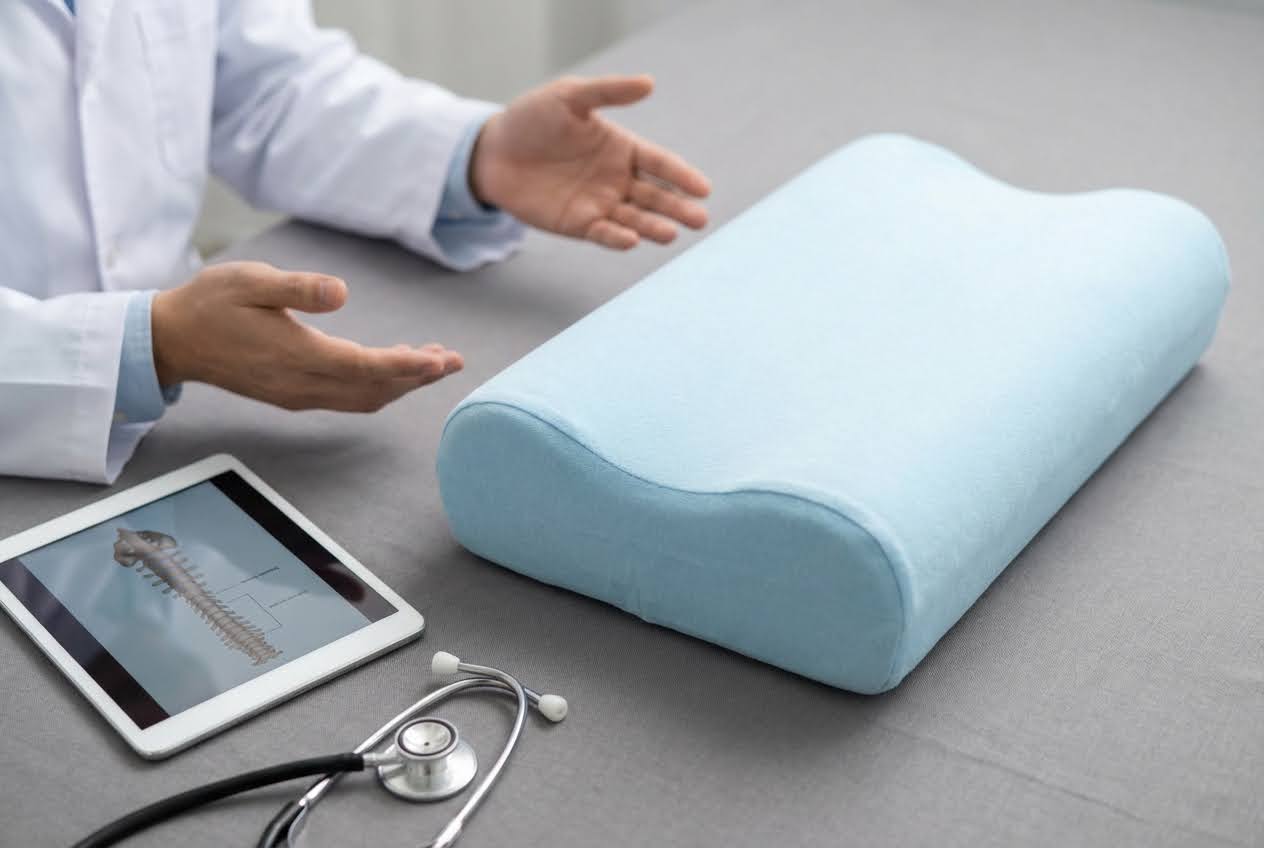
The neck contains seven vertebrae that form a gentle C-shaped curve called the cervical lordosis. This curve acts as a shock absorber and keeps the head balanced over the shoulders. When you lie down on a flat pillow, the curve often flattens or bends unnaturally. This misalignment strains muscles, compresses discs, and irritates nerves. A cervical pillow aims to fill the gap between the neck and mattress, preserving that natural curve throughout the night.
Most cervical pillows feature a contoured shape with a raised edge under the neck and a lower section for the head. This design cradles the skull while lifting the cervical spine into neutral position. The goal is to find a pillow that keeps the neck in a neutral, aligned position with the spine. Physical therapists also emphasize testing pillow height before committing, since the right loft varies by body size and mattress firmness.
The most immediate benefit users report is waking up without that familiar neck tightness. When the spine stays aligned, muscles can relax instead of working overtime to compensate for poor positioning. This relaxation reduces the buildup of tension that causes morning stiffness. Many people notice improvement within the first week of consistent use.
Pain disrupts sleep cycles. When your neck hurts, you toss and turn, never reaching the deep restorative stages your body needs. A supportive cervical pillow can minimize these disruptions by reducing pressure points. Better sleep quality often translates to feeling more alert and energetic during the day.
Nerve compression in the neck causes symptoms ranging from tingling fingers to headaches. By keeping vertebrae properly spaced, a cervical pillow reduces the likelihood of pinched nerves. This relief is especially valuable for people with conditions like cervical radiculopathy, though severe cases still require medical treatment.
 Choosing the Right Pillow Based on Sleep Position
Back sleepers benefit most from pillows with a pronounced neck roll and a shallow center cradle. This setup supports the cervical curve while keeping the head from tilting too far forward or backward. The ideal height positions the ears directly over the shoulders when viewed from the side.
Side sleepers need more height to fill the space between the shoulder and head. A pillow that is too thin allows the head to drop, bending the neck sideways. Look for cervical pillows with adjustable inserts or higher contours specifically designed for lateral sleeping positions.
Sleeping on the stomach is the hardest position to accommodate. It forces the neck into rotation for hours, which no pillow can fully correct. The best approach for stomach sleepers is transitioning to side sleeping using a body pillow for support. If that is not possible, an ultra-thin cervical pillow minimizes neck extension but cannot eliminate the inherent strain of this position.
Memory foam remains the most popular choice for cervical pillows. It conforms closely to the neck and head, distributing weight evenly. The downside is heat retention, which bothers some sleepers. Modern open-cell and gel-infused foams have further improved temperature regulation and durability. Latex offers similar contouring with more bounce and better airflow. It is also naturally resistant to dust mites and mold. Latex pillows tend to cost more but last longer than foam alternatives.
Water-based pillows allow complete customization. By adding or removing water, users control firmness and height precisely. These pillows adapt well to different sleep positions but require occasional maintenance to check water levels.
Clinical studies on cervical pillows show mixed but promising results. Some trials find significant pain reduction compared to standard pillows, while others show modest or no improvement. The variation often comes down to individual factors like the cause of neck pain, pillow fit, and consistent use. What research consistently supports is the importance of neutral spinal alignment during sleep. A pillow that achieves this alignment for your specific body is more likely to help than one chosen at random. Consulting a healthcare provider through Doctronic.ai can help determine whether a cervical pillow fits your treatment plan.
Switching to a cervical pillow often feels strange at first. Your body has adapted to your old pillow, even if it was causing harm. Expect one to two weeks of adjustment as muscles and joints acclimate to the new position. Some people experience temporary soreness during this period. Persistence usually pays off, but if discomfort worsens after two weeks, the pillow may not be the right fit.
A cervical pillow is not a cure-all. Chronic neck pain lasting more than a few weeks, pain radiating into the arms, or symptoms accompanied by weakness require professional evaluation. These signs may indicate disc herniation, arthritis, or other conditions that need targeted treatment. Doctronic offers low-cost AI-assisted telehealth consultations to help determine whether your symptoms warrant further investigation or specialist referral.
For many people dealing with neck pain, a cervical pillow provides meaningful relief. The key is matching the pillow to your sleep position, choosing quality materials, and allowing time for adjustment. These pillows work best as part of a broader approach that includes good posture, regular movement, and addressing underlying health issues.
If neck pain persists despite trying a cervical pillow, professional guidance makes a difference. Doctronic offers affordable telehealth visits with licensed clinicians available nationwide. Get started with Doctronic.ai to discuss your neck pain and explore treatment options.
Most people need one to two weeks to adjust to a new cervical pillow. Initial discomfort is normal as your body adapts. If pain increases or persists beyond two weeks, try a different pillow height or consult a healthcare provider.
Yes, if the pillow height or firmness does not match your body and sleep position. A pillow that is too high or too firm can strain the neck just as much as a flat pillow. Proper fitting is essential.
Combination sleepers benefit from adjustable cervical pillows that accommodate different positions. Water-based pillows or those with removable inserts offer flexibility for people who shift between back and side sleeping.
Most adults can safely use cervical pillows. People with recent neck injuries, spinal surgeries, or certain medical conditions should consult a doctor first. Children typically do not need specialized pillows unless recommended by a pediatrician.
Seek professional evaluation if pain lasts more than a few weeks, radiates into arms or hands, causes numbness or weakness, or follows an injury. These symptoms may indicate conditions requiring treatment beyond a pillow change.
A cervical pillow can reduce neck pain and improve sleep quality when matched to your sleep position and body size. For persistent or severe symptoms, professional medical advice through telehealth services like Doctronic.ai ensures you get the right diagnosis and treatment plan.
Meta Description: Understand why vaginal dryness during menopause occurs and explore effective treatments, from moisturizing therapies to low-dose estrogen and laser [...]
Read MoreMeta Description: Discover why perimenopause causes itching and explore effective relief strategies, from hormone therapy to skincare tips, to soothe dry and itchy skin.When [...]
Read MoreMeta Description: Understand why weight gain during perimenopause occurs and learn how to manage it through protein intake, resistance training, and better sleep habits.Why [...]
Read More