Mental Health
How to Calm an Anxiety Attack: Techniques That Work in the Moment
April 17, 2026
6 min read

Medically reviewed by Lauren Okafor | MD, The Frank H Netter MD School of Medicine, Loyola University Medical Center on March 21st, 2026.
Published on February 15th, 2026. Updated on September 11th, 2026.
CBD interacts with the endocannabinoid system to potentially reduce anxiety without psychoactive effects
Clinical studies show promising results for CBD in treating various anxiety disorders
Proper dosing, product quality, and administration methods are crucial for effectiveness
CBD generally has fewer side effects than traditional anti-anxiety medications but requires medical consultation
Anxiety disorders are very common and can affect many parts of daily life. As more people look for alternatives to traditional medications, CBD (cannabidiol) has gained attention as a possible option for managing anxiety. CBD comes from the cannabis plant but does not cause a “high.” While research is still ongoing, early studies suggest it may help reduce anxiety symptoms for some people.
CBD works by interacting with a system in your body called the endocannabinoid system. This system helps regulate mood, stress, and emotional balance. CBD may also affect serotonin, a chemical in the brain that plays a key role in mood.
Unlike many traditional anxiety medications, CBD does not directly change brain chemistry in a strong or immediate way. Instead, it may help support your body’s natural ability to stay balanced and respond to stress. Some research suggests it may also calm areas of the brain involved in fear and anxiety.
Early research on CBD and anxiety is promising but still developing. Some studies have shown that people taking CBD report lower anxiety levels, especially in situations like public speaking or stress-related environments.
CBD may also help improve sleep in people whose anxiety makes it hard to fall or stay asleep. However, more long-term and large-scale studies are needed to fully understand how effective it is and who benefits most.
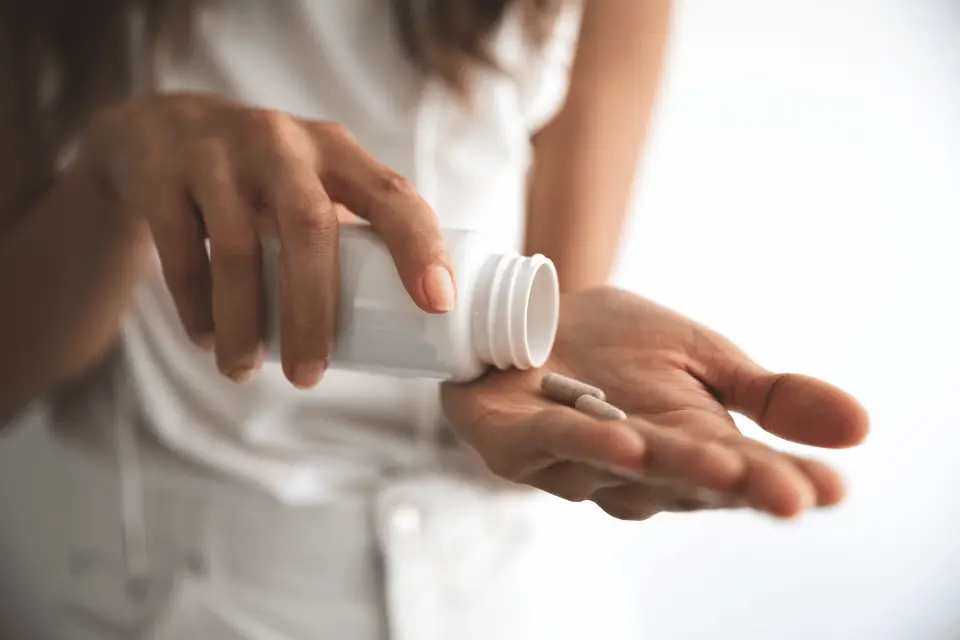
CBD is available in many forms, including oils, capsules, and edibles. Some forms work faster, while others last longer. Effects can vary from person to person.
If you are considering CBD:
Start with a low dose and increase slowly if needed
Choose products that are tested by third-party labs for safety and quality
Be aware that CBD can interact with certain medications
CBD is generally well tolerated, but some people may experience mild side effects such as drowsiness, dry mouth, or changes in appetite.
It is important to talk with a healthcare provider before starting CBD, especially if you take other medications or have underlying health conditions. CBD should be seen as a possible complement to care, not a replacement for proven treatments when those are needed.
CBD Administration Method |
Onset Time |
Duration |
Best For |
|---|---|---|---|
Sublingual Oil |
15-30 minutes |
4-6 hours |
Quick relief |
Capsules/Edibles |
30-120 minutes |
6-8 hours |
Long-term management |
Vaping |
2-5 minutes |
2-3 hours |
Immediate relief |
Topical |
15-45 minutes |
2-4 hours |
Localized tension |
The legal status of CBD varies by location and source, adding another layer of complexity for potential users. While hemp-derived CBD containing less than 0.3% THC is legal federally in the United States, state laws may differ. Additionally, workplace drug testing policies may not distinguish between CBD and THC, potentially creating employment concerns for some individuals.
The onset time varies by administration method. Sublingual oils work within 15-30 minutes, while capsules may take 30-120 minutes. Effects typically last 4-8 hours depending on the form used and individual metabolism.
Start with 5-10mg daily and increase gradually by 5mg increments weekly until desired effects are achieved. Individual needs vary based on body weight, anxiety severity, and personal sensitivity to CBD.
Yes, CBD can affect how the liver processes certain medications, potentially altering their effectiveness. Always consult your healthcare provider before combining CBD with prescription anxiety medications or other drugs.
Hemp-derived CBD with less than 0.3% THC is federally legal in the US, but state laws may vary. Check local regulations and workplace policies before using CBD products for anxiety management.
Common mild side effects include drowsiness, dry mouth, decreased appetite, and digestive changes. These typically occur when starting therapy or taking higher doses and often diminish with continued use.
CBD represents a promising natural approach to anxiety management, with growing scientific evidence supporting its therapeutic potential. The compound's unique interaction with the endocannabinoid system offers a different mechanism of action compared to traditional anti-anxiety medications, potentially providing relief with fewer side effects. For those considering comprehensive anxiety care, exploring how telehealth can help with treatment options can provide accessible support. While current research is encouraging, successful CBD therapy requires careful attention to product quality, appropriate dosing, and consideration of individual factors that influence effectiveness. As with any health intervention, consulting with qualified healthcare professionals remains essential for developing a safe and effective anxiety management strategy. Get started with Doctronic today.
National Institute on Drug Abuse (NIDA). Cannabis (Marijuana) Research Report. https://nida.nih.gov/research-topics/cannabis-marijuana
Get mental health advice
Chat Now
Join 50,000+ readers using Doctronic to understand symptoms, medications,
and next steps.
Add your phone number below to get health updates and exclusive VIP offers.
By providing your phone number, you agree to receive SMS updates from Company. Message and data rates may apply. Reply “STOP” to opt-out anytime. Read our Privacy Policy and Terms of Service for more details.
Save your consults. Talk with licensed doctors and manage your health history.