
Can Dogs Get Bird Flu? What Pet Owners Should Know

Medically reviewed by Alan Lucks | MD, Alan Lucks MDPC Private Practice - New York on February 22nd, 2026.
Published on January 29th, 2026. Updated on September 11th, 2026.
Key takeaways
Bird flu primarily affects birds but can occasionally infect mammals, including dogs.
Transmission to dogs is rare but possible, mainly through close contact with infected birds or their droppings.
Symptoms in dogs can range from mild respiratory issues to serious illness.
Preventive measures include limiting exposure to wild birds and practicing good hygiene around pets.
If you suspect your dog is sick, telehealth services like Doctronic.ai offer quick, expert advice without leaving home.
Questions about bird flu in pets?
Free. Anonymous. Built by doctors.
This article covers general information. Ask Doctronic about your symptoms, medications, side effects, or treatment options.
Understanding Bird Flu and Its Impact on Dogs
Bird flu, also known as avian influenza, is a viral infection that primarily affects bird species. It has caused significant outbreaks in poultry worldwide and occasionally jumps to other animals. While dogs are not the typical hosts for bird flu viruses, certain strains have been known to infect them under specific circumstances.
Dogs can contract bird flu mainly through direct or indirect contact with infected birds, their droppings, or contaminated environments. This is rare but has been documented in some cases, especially where dogs live near infected poultry farms or in areas with high wild bird populations carrying the virus.
How Bird Flu Spreads to Dogs
The main route of transmission to dogs is through close interaction with infected birds. This could happen if a dog sniffs, licks, or eats infected bird droppings, carcasses, or contaminated water. In rare instances, airborne transmission may occur in places with heavy virus presence.
It is important to note that bird flu viruses do not easily spread from dogs to humans or between dogs. The risk remains very low, but pet owners should still be cautious to prevent any potential exposure. Regular veterinary check-ups and vaccinations can help ensure that dogs remain healthy and less susceptible to various infections, including those that may arise from environmental exposure.
Types of Bird Flu That Affect Dogs
Among the many bird flu strains, H5N1 and H7N9 have been the most concerning for cross-species infections. There have been isolated reports of dogs infected with H5N1, particularly in Asia, where outbreaks among poultry were severe. These cases are exceptions rather than the rule, but they highlight the need for awareness. Understanding the symptoms of bird flu in dogs is crucial for early detection and treatment. Symptoms may include respiratory distress, lethargy, and gastrointestinal issues, which can mimic other illnesses, making it essential for pet owners to consult a veterinarian if they suspect their dog has been exposed to the virus.
In addition to H5N1 and H7N9, ongoing research continues to monitor other avian influenza strains for potential risks to dogs and other mammals. The dynamic nature of viral mutations means that new strains could emerge, necessitating vigilance among pet owners and animal health professionals alike. Awareness campaigns and educational resources can empower dog owners to recognize the signs of illness and understand the importance of keeping their pets away from areas known for bird flu outbreaks, thereby minimizing the risk of infection.
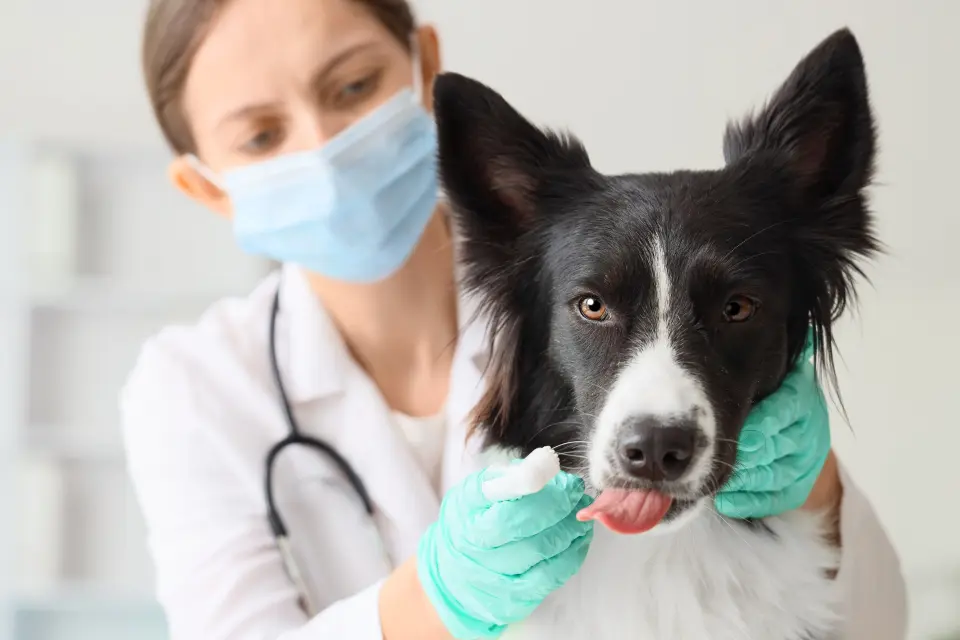 Signs and Symptoms of Bird Flu in Dogs
Recognizing bird flu in dogs can be challenging because symptoms often resemble those of common respiratory infections. Pet owners should watch for any sudden changes in their dog’s health, especially if there has been known exposure to birds or bird droppings.
Common Symptoms to Watch For
Coughing and sneezing
Runny nose or nasal discharge
Fever and lethargy
Loss of appetite
Difficulty breathing or rapid breathing
Gastrointestinal upset, such as vomiting or diarrhea
If your dog shows any of these symptoms, especially after possible contact with birds, it is important to seek veterinary advice promptly.
When to Seek Immediate Care
Severe symptoms such as labored breathing, persistent high fever, or sudden weakness require urgent medical attention. Early diagnosis and treatment can improve outcomes and reduce the risk of complications.
Preventing Bird Flu Infection in Dogs
Prevention is the best strategy to protect dogs from bird flu. Since the virus spreads mainly through contact with infected birds or contaminated environments, reducing your dog’s exposure is key.
Practical Steps for Pet Owners
Avoid areas with known bird flu outbreaks or large gatherings of wild birds.
Keep dogs on a leash during walks to prevent them from sniffing or eating bird droppings.
Do not allow dogs to roam freely in poultry farms or bird sanctuaries.
Practice good hygiene by washing your hands and cleaning your dog’s paws after outdoor activities.
Dispose of dead birds or bird droppings safely and avoid contact.
Vaccination and Veterinary Advice
Currently, there is no approved vaccine for bird flu in dogs. Staying up to date on regular vaccinations and maintaining overall health can help your dog’s immune system stay strong. Consult your veterinarian for the best preventive care tailored to your pet’s needs.
Using Telehealth for Quick Veterinary Support
If you suspect your dog may have been exposed to bird flu or is showing symptoms, getting timely advice is crucial. Doctronic.ai provides fast, reliable medical guidance from licensed veterinarians without the need to visit a clinic immediately.
Benefits of Telehealth for Pet Owners
Access expert advice 24/7 from the comfort of your home.
Receive quick assessments and recommendations based on your dog’s symptoms.
Get guidance on whether your dog needs urgent in-person care.
Save time and reduce stress for both you and your pet.
Doctronic’s AI-powered platform combines the latest medical research with personalized care, making it a trusted resource for pet owners seeking fast answers.
What to Do if Your Dog Is Diagnosed with Bird Flu
Should a veterinarian confirm bird flu infection in your dog, follow their treatment plan carefully. This may include supportive care such as fluids, medications to ease symptoms, and strict isolation to prevent spread.
Home Care Tips During Recovery
Keep your dog in a clean, quiet space away from other animals.
Provide plenty of fresh water and nutritious food.
Monitor symptoms closely and report any worsening to your vet.
Practice good hygiene to protect yourself and other pets.
Recovery times vary depending on the severity of the infection and your dog’s overall health.
Protecting Dogs and Understanding Potential Risks
Bird flu in dogs is rare but possible, especially in areas with active bird flu outbreaks. Understanding the risks, recognizing symptoms early, and taking preventive measures can help keep your dog safe.
For any health concerns related to your pet, consider using Doctronic.ai. They offer fast, knowledgeable support that can guide you through the next steps without delay.
Frequently Asked Questions
Currently, there is no evidence that dogs can transmit bird flu to humans. The virus primarily spreads from birds to other birds or occasionally to mammals through direct contact.
Bird flu is not known to spread easily between dogs. Most cases involve direct exposure to infected birds or contaminated environments.
Keep your dog away from wild birds and poultry, avoid areas with known outbreaks, and maintain good hygiene practices. Leashing your dog during walks helps prevent contact with potentially infected bird droppings.
Contact a veterinarian promptly. Telehealth services like Doctronic.ai can provide immediate advice and help determine if your dog needs in-person care.
No approved vaccines for bird flu in dogs currently exist. Focus on preventive measures and consult your vet for regular vaccinations and health maintenance.
The Bottom Line
Bird flu in dogs is uncommon, but awareness and prevention are essential for protecting your pet’s health. Limiting exposure to birds, recognizing symptoms early, and seeking timely veterinary guidance can reduce risks and improve outcomes. If concerns arise, Doctronic.ai offers convenient, expert telehealth support to help pet owners make informed decisions quickly and confidently.
Related articles

Omeprazole Side Effects Timeline: Week by Week Guide
New Treatments for Long COVID in 2026: Latest Medical Breakthroughs
Metoprolol Side Effects Timeline: Week by Week Guide
Lupus Vs MS: Key Differences in Symptoms, Diagnosis, and Treatment
Hantavirus Symptoms: Signs, Stages, and When to Seek Care
Should I Be Worried About Hantavirus? A Realistic Look at the Risk
Macrobid Dosing Calculator: Complete Guide to Nitrofurantoin Dosing
IBS Flare Ups: What Triggers Symptoms and How to Take Control

Stages of Depression: How It Progresses and When to Seek Help

Poison Ivy Rash: Identification, Treatment, and When to See a Doctor
Get care for your infection
Chat Now