

Vaginal Dryness During Menopause
Meta Description: Understand why vaginal dryness during menopause occurs and explore effective treatments, from moisturizing therapies to low-dose estrogen and laser [...]
Read MoreChiropractic care offers effective, non-invasive treatment for sciatica by addressing the root cause of nerve compression rather than just masking symptoms
Research shows patients receiving chiropractic care for sciatica have a 21% reduced risk of opioid use compared to conventional medical treatment
A Norwegian study reported that approximately 70% of sciatica patients who received chiropractic adjustments successfully returned to work
Techniques like spinal manipulation, decompression therapy, and soft tissue work can relieve sciatic nerve pressure without surgery
Knowing when to seek immediate medical attention versus chiropractic care is critical for safe, effective recovery
That shooting pain running from your lower back down through your leg can make even simple tasks feel impossible. Sciatica affects millions of people each year, and many wonder if a chiropractor can help with sciatica pain. The short answer is yes, and the research backs this up. Chiropractic care targets the actual source of nerve compression rather than simply covering up symptoms with medication. For people seeking relief without invasive procedures, this approach offers a proven path forward. Doctronic provides AI-powered consultations that can help you understand your symptoms and determine if chiropractic care might be right for your situation.
Sciatica describes pain that travels along the sciatic nerve, which runs from the lower spine through the hips and down each leg. This isn't a condition itself but rather a symptom of an underlying problem. The pain can range from a mild ache to sharp, burning sensations that make standing or walking difficult.
The sciatic nerve gets pinched or irritated in several ways. Herniated discs are the most frequent culprit when the soft inner material of a spinal disc pushes through its outer layer, which can press directly on nerve roots. Bone spurs from spinal arthritis create similar pressure. Spinal stenosis, where the spinal canal narrows, leaves less room for nerves to pass through comfortably. Poor posture, prolonged sitting, and muscle imbalances also contribute to sciatic nerve irritation over time.
A chiropractor begins by carefully evaluating what may be contributing to nerve compression. This typically includes a physical exam, range-of-motion testing, and sometimes imaging studies. As one expert notes, chiropractic care focuses on identifying areas of spinal dysfunction and using manual techniques to improve alignment and mobility. Accurate assessment is essential, since treatment outcomes depend on targeting the true source of symptoms.
Chiropractors use multiple methods to relieve sciatic nerve pressure. The specific approach depends on your diagnosis, overall health, and treatment goals.
Spinal adjustments remain the cornerstone of chiropractic sciatica treatment. These controlled, targeted movements restore proper alignment to misaligned vertebrae. When spinal bones shift out of position, they can directly compress nerve roots or create inflammation that irritates nearby nerves. Adjustments create space for compressed nerves and improve spinal function. Most patients notice reduced pain within the first few sessions, though full recovery typically requires consistent treatment over several weeks.
This technique gently stretches the spine to create negative pressure within spinal discs. That negative pressure can help retract herniated disc material away from nerve roots. Decompression therapy works particularly well for disc-related sciatica. Sessions typically last 20-30 minutes, and patients often describe the sensation as a gentle pulling that actually feels relieving rather than uncomfortable.
Tight muscles frequently contribute to sciatic pain. Piriformis syndrome occurs when the piriformis muscle in the buttocks spasms and irritates the sciatic nerve running beneath it. Soft tissue therapy addresses muscle tension, trigger points, and fascial restrictions that worsen nerve compression. These techniques complement spinal adjustments by ensuring surrounding soft tissues support proper spinal alignment.
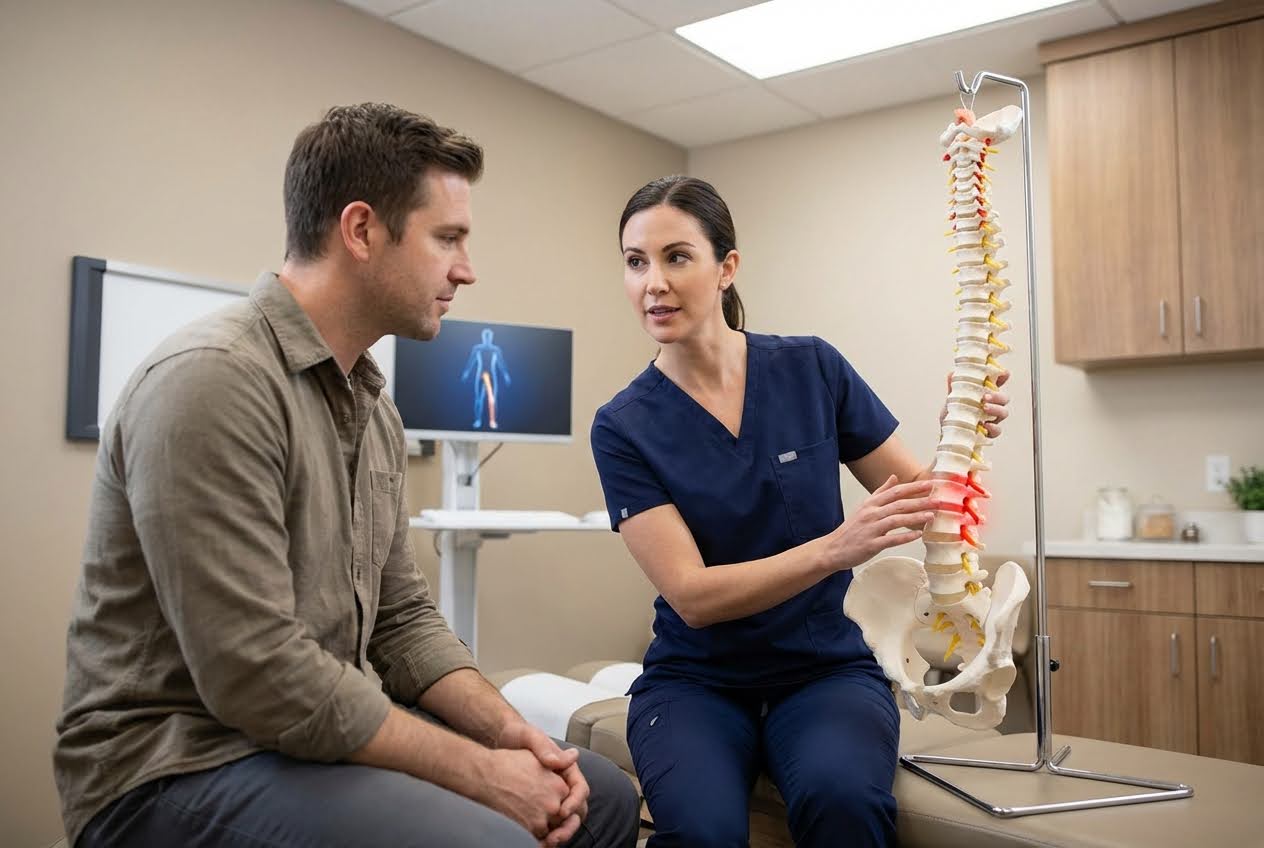 Benefits of Choosing Chiropractic Over Surgery
Surgery carries significant risks and requires lengthy recovery periods. Chiropractic care offers an alternative worth considering before taking that step.
Spinal surgery means anesthesia risks, potential complications, and weeks or months of restricted activity. Chiropractic treatment involves no incisions, no hospital stays, and minimal downtime. Research demonstrates positive outcomes: a study in Norway found that approximately 70% of patients with sciatica who received chiropractic adjustments returned to work within three months. Most patients can continue their daily activities during treatment, making chiropractic care practical for people who cannot afford extended time away from work or family responsibilities.
Opioid medications carry addiction risks and serious side effects. The data here is compelling: patients who initially received chiropractic care for sciatica had a 21% reduced risk of opioid use compared to those receiving conventional medical care. Only about 17% of the chiropractic group received an opioid prescription, compared to 21.5% in the usual medical care group. This difference matters significantly for long-term health outcomes.
Your initial appointment typically lasts 45-60 minutes. The chiropractor will ask detailed questions about your symptoms, medical history, and daily activities. Expect a physical examination including posture assessment, range of motion testing, and neurological checks. Some offices take X-rays during this visit. Based on findings, your chiropractor will explain the diagnosis and recommend a treatment plan. Before starting treatment, consider using Doctronic to research your symptoms and prepare informed questions for your appointment.
Treatment sessions alone won't produce lasting results. What you do between appointments significantly impacts your recovery speed and long-term outcomes.
Your chiropractor will prescribe specific exercises targeting your particular condition. These might include nerve gliding movements that help the sciatic nerve move freely through surrounding tissues. Core strengthening exercises stabilize the spine and prevent future episodes. Consistency matters more than intensity. Performing prescribed exercises daily produces better results than occasional intense sessions.
How you sit, stand, and sleep affects sciatic nerve health. Proper workstation setup reduces spinal stress during long work hours. Sleeping positions matter too; side sleepers benefit from a pillow between the knees, while back sleepers should place support under their knees. Doctronic can provide personalized guidance on ergonomic modifications based on your specific situation and daily routine.
Not all sciatica responds to chiropractic care, and some situations require emergency medical evaluation. Seek immediate help if you experience sudden loss of bladder or bowel control, rapidly worsening weakness in your legs, or numbness in the groin area. These symptoms may indicate cauda equina syndrome, a serious condition requiring emergency surgery. Progressive weakness, even without other alarming symptoms, also warrants prompt medical evaluation rather than continued conservative care.
Most patients experience noticeable improvement within 4-6 weeks of consistent treatment. Complete resolution typically requires 8-12 weeks, though this varies based on the underlying cause and severity. Chronic cases may need ongoing maintenance care.
Most patients find treatment comfortable. Adjustments may produce popping sounds that seem alarming but are simply gas releasing from joints. Some mild soreness after initial sessions is normal and typically resolves within 24-48 hours.
Recurrence is possible, especially if underlying factors like poor posture or weak core muscles aren't addressed. Following prescribed exercises and ergonomic recommendations significantly reduces recurrence risk.
Initial treatment often involves 2-3 visits weekly. As symptoms improve, visit frequency decreases. Many patients eventually transition to monthly maintenance visits to prevent recurrence.
Chiropractic care offers proven, non-invasive relief for sciatica pain by addressing the root cause of nerve compression. Research supports its effectiveness, including significantly reduced opioid use and high return-to-work rates. For those seeking answers about their sciatic symptoms, Doctronic provides free AI doctor visits that can help clarify your condition and guide your next steps toward relief.
Meta Description: Understand why vaginal dryness during menopause occurs and explore effective treatments, from moisturizing therapies to low-dose estrogen and laser [...]
Read MoreMeta Description: Discover why perimenopause causes itching and explore effective relief strategies, from hormone therapy to skincare tips, to soothe dry and itchy skin.When [...]
Read MoreMeta Description: Understand why weight gain during perimenopause occurs and learn how to manage it through protein intake, resistance training, and better sleep habits.Why [...]
Read More