

Vaginal Dryness During Menopause
Meta Description: Understand why vaginal dryness during menopause occurs and explore effective treatments, from moisturizing therapies to low-dose estrogen and laser [...]
Read MorePhysical therapy and targeted exercises often provide the most lasting relief for lower back arthritis
Only about 20% of treatments for low back pain have strong evidence of effectiveness, making personalized care essential
Conservative treatments should be tried before considering injections or surgery
Weight management directly reduces stress on spinal joints and can significantly decrease pain
Doctronic offers free AI doctor consultations to help create a personalized arthritis management plan
Lower back pain drains energy, limits mobility, and costs Americans billions each year. When arthritis attacks the lumbar spine, finding effective treatment becomes urgent. The best treatment for lower back arthritis depends on the severity of symptoms, overall health, and daily activity levels. Most people find relief through a combination of approaches rather than a single solution.
Lumbar osteoarthritis happens when the cartilage between spinal joints breaks down over time. This breakdown causes bones to rub against each other, leading to pain, stiffness, and reduced flexibility. The condition typically affects people over 50, though younger individuals with previous injuries or genetic factors may develop it earlier.
Morning stiffness that lasts less than 30 minutes is a hallmark sign. Pain often worsens after sitting or standing for long periods. Many people notice a grinding sensation when moving their spine. Numbness or tingling in the legs may occur if bone spurs press on nearby nerves.
Doctors use physical exams, X-rays, and MRI scans to diagnose spinal arthritis. X-rays show bone spur formation and joint space narrowing. MRI scans reveal soft tissue damage and nerve compression. Doctronic can help patients understand their symptoms before scheduling imaging tests, providing guidance on what questions to ask their healthcare provider.
Starting with non-invasive treatments makes sense for most patients. These approaches carry fewer risks and often deliver meaningful improvement within weeks.
Physical therapy stands as the gold standard for arthritis management. A skilled therapist designs exercises that strengthen core muscles, improve flexibility, and reduce pressure on damaged joints. As experts often say, "motion is lotion" for arthritic joints. Consistent movement keeps joints lubricated and prevents further stiffening.
NSAIDs like ibuprofen and naproxen reduce inflammation and ease pain. Acetaminophen helps with pain but does not address inflammation. Topical creams containing menthol, capsaicin, or lidocaine provide localized relief without systemic side effects. These medications work best when combined with physical activity rather than used alone.
Heat relaxes tight muscles and increases blood flow to damaged areas. Cold therapy reduces swelling and numbs acute pain. Most patients benefit from alternating between the two: cold packs for 15 to 20 minutes during flare-ups, and heat therapy before exercise or stretching sessions.
When conservative methods fall short, medical interventions offer stronger relief. Approximately 15–20% of treatments for low back pain have high-quality evidence supporting their effectiveness, making it crucial to work with knowledgeable providers who understand which approaches are most appropriate for specific conditions.
These injections deliver powerful anti-inflammatory medication directly into the space around spinal nerves. Relief typically begins within a few days and may last several months. Most doctors limit patients to three injections per year to avoid potential side effects from repeated steroid use.
Facet joint blocks target the small joints connecting vertebrae. If these injections provide temporary relief, doctors may recommend radiofrequency ablation. This procedure uses heat to disable the nerves transmitting pain signals. Results can last six months to two years before nerves regenerate.
Muscle relaxants help when spasms accompany arthritis pain. Prescription-strength NSAIDs offer stronger anti-inflammatory effects than over-the-counter versions. Doctors reserve opioid medications for severe cases due to addiction risks, typically using them only for short periods during acute flare-ups.
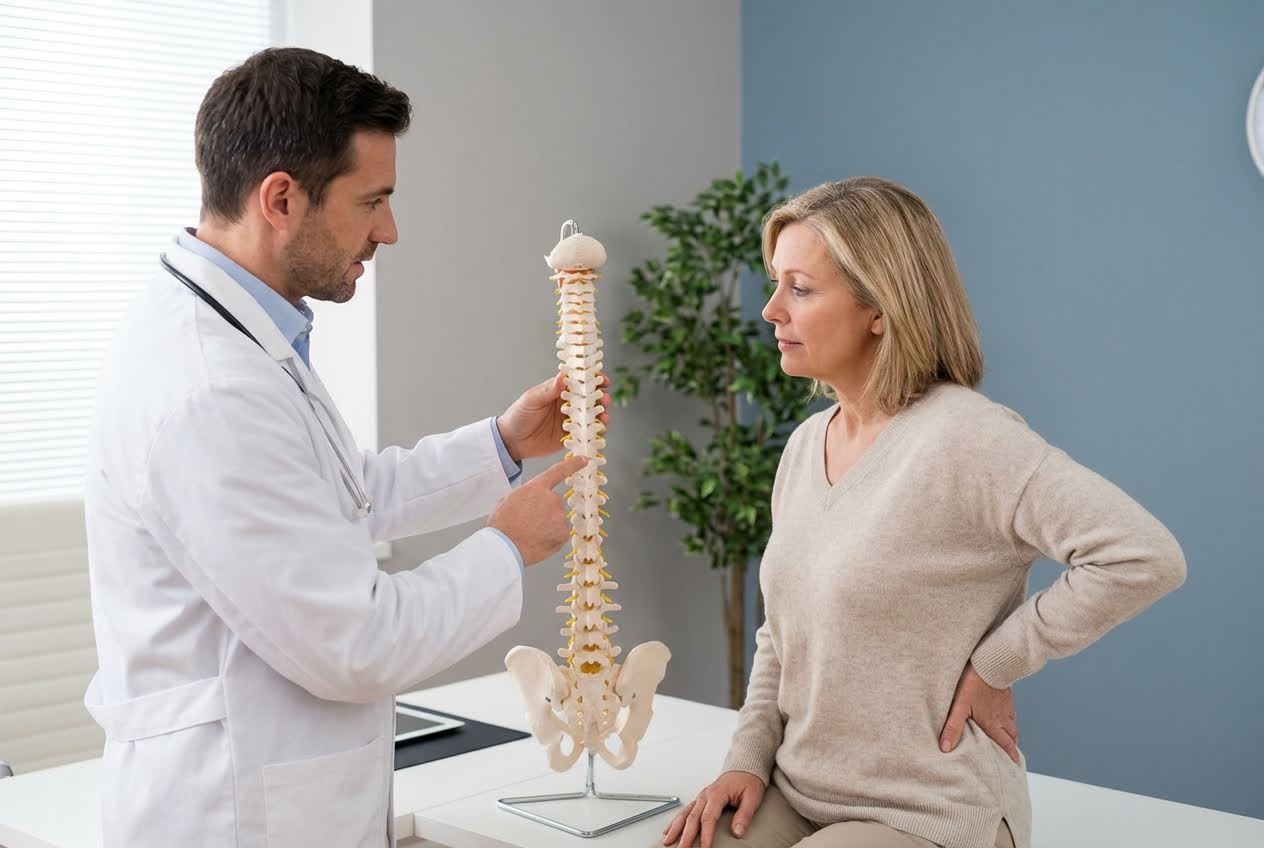 Lifestyle Modifications for Long-Term Relief
Medications and procedures address symptoms, but lifestyle changes tackle root causes. These modifications often determine whether someone achieves lasting improvement or cycles through temporary fixes.
Certain foods promote inflammation while others fight it. Fatty fish, leafy greens, berries, and nuts contain compounds that reduce inflammatory markers. Processed foods, refined sugars, and excessive alcohol worsen inflammation. Adding turmeric and ginger to meals provides natural anti-inflammatory benefits.
Every extra pound multiplies the force on spinal joints during movement. Losing even 10 to 15 pounds can dramatically reduce pain levels. The spine carries less burden, cartilage experiences less wear, and mobility improves. Combining dietary changes with low-impact exercise creates sustainable weight loss.
Poor posture accelerates joint damage. Sitting with proper lumbar support, adjusting computer monitors to eye level, and using supportive mattresses all protect the spine. Standing desks allow position changes throughout the day. Lifting with the legs instead of the back prevents acute injuries that worsen chronic arthritis.
Surgery becomes an option when pain severely limits quality of life, and other treatments have failed. Most patients never need surgical intervention, but those with significant nerve compression or spinal instability may benefit greatly.
This procedure removes portions of bone or tissue pressing on spinal nerves. Surgeons create more space within the spinal canal, relieving pressure that causes leg pain and numbness. Recovery typically takes 4–6 weeks, with most patients returning to light activities within two months.
Fusion surgery permanently connects two or more vertebrae, eliminating painful motion between them. Surgeons use bone grafts and metal hardware to stabilize the spine. This procedure reduces flexibility but can eliminate severe pain when damaged joints cause instability.
The most effective treatment for lower back arthritis combines multiple approaches tailored to individual needs. What works for one person may not work for another. Starting with conservative treatments, tracking what helps, and adjusting the plan over time leads to the best outcomes. Working with healthcare providers who listen and adapt treatment based on results makes a significant difference.
Doctronic helps patients understand their options and prepare for conversations with specialists. The AI-powered platform offers free consultations that draw on peer-reviewed medical research, helping people make informed decisions about their care. With 24/7 access to telehealth visits for under $40, getting expert guidance has never been easier.
Conservative treatments like physical therapy typically show improvement within four to six weeks of consistent effort. Injections may provide relief within days. Lifestyle changes require several months to demonstrate full benefits.
Arthritis cannot be cured, but symptoms can be managed effectively. Many people achieve significant pain reduction and maintain active lifestyles through proper treatment combinations.
Surgery becomes appropriate when conservative treatments fail after six months to a year, nerve compression causes significant leg weakness, or pain severely limits daily activities despite other interventions.
Yes, appropriate exercise is essential. Low-impact activities like swimming, walking, and specific stretching routines strengthen supporting muscles without stressing damaged joints. A physical therapist can design safe exercise programs.
Treatment plans should be reassessed every three to six months or whenever significant changes in symptoms occur. Regular check-ins ensure approaches remain effective as the condition evolves.
The best treatment for lower back arthritis combines physical therapy, targeted exercise, weight management, and anti-inflammatory strategies, with injections or surgery reserved for severe cases. Personalized care matters. Doctronic.ai offers free AI doctor consultations to help build a tailored arthritis management plan.
Meta Description: Understand why vaginal dryness during menopause occurs and explore effective treatments, from moisturizing therapies to low-dose estrogen and laser [...]
Read MoreMeta Description: Discover why perimenopause causes itching and explore effective relief strategies, from hormone therapy to skincare tips, to soothe dry and itchy skin.When [...]
Read MoreMeta Description: Understand why weight gain during perimenopause occurs and learn how to manage it through protein intake, resistance training, and better sleep habits.Why [...]
Read More