Best Face Sunscreen for Daily Use: Top Picks for Every Skin Type
Key Takeaways
Daily facial sunscreen protects against both UVA rays (aging) and UVB rays (burning), with nearly 80% of visible aging signs linked to UV exposure
Oily and acne-prone skin benefits from oil-free, non-comedogenic formulas, while dry skin needs hydrating ingredients like hyaluronic acid
Mineral sunscreens with zinc oxide or titanium dioxide work best for sensitive skin, sitting on top of skin rather than absorbing into it
Sunscreen should be the final step in skincare and first step before makeup, applied at least 15 minutes before sun exposure
SPF in makeup alone does not provide adequate protection: a dedicated facial sunscreen remains essential for proper coverage
For tailored sun protection advice based on your skin type, Doctronic.ai provides AI-powered consultations around the clock
Why Daily Facial Sun Protection Matters
Skipping sunscreen on cloudy days or during winter months is one of the most common skincare mistakes. UV rays penetrate clouds, windows, and even light clothing, causing cumulative damage that shows up years later as wrinkles, dark spots, and uneven texture. Finding the best face sunscreen for daily use means matching your specific skin type with a formula you will actually wear consistently. The right sunscreen feels invisible, works under makeup, and becomes as automatic as brushing your teeth. Doctronic.ai provides AI-powered consultations that can help identify your skin type and recommend appropriate sun protection strategies based on your individual health profile.
Understanding UVA vs. UVB Rays
UVA rays account for 95% of UV radiation reaching the earth's surface. These rays penetrate deep into the dermis, breaking down collagen and elastin fibers that keep skin firm. UVB rays are shorter and primarily affect the epidermis, causing sunburns and direct DNA damage. Broad-spectrum sunscreens block both ray types, which is why this label matters more than SPF number alone.
Anti-Aging Benefits and Skin Cancer Prevention
Nearly 80% of visible aging signs are due to UV exposure, which occurs even on cold and cloudy days. Daily sunscreen use can significantly reduce the risk of melanoma and other skin cancers when used correctly and consistently, and slows the formation of fine lines, hyperpigmentation, and sagging skin. This single product delivers more anti-aging benefits than any serum or cream on the market.
Top Sunscreen Recommendations for Every Skin Type
Choosing sunscreen based on skin type prevents breakouts, irritation, and that greasy feeling that makes people skip application altogether. The formulas below address specific concerns while providing reliable broad-spectrum protection.
Oil-Free Formulas for Acne-Prone and Oily Skin
Look for labels stating "oil-free" and "non-comedogenic," meaning the formula will not clog pores. Gel and fluid textures absorb quickly without leaving residue. Niacinamide-infused sunscreens offer bonus benefits by regulating sebum production and reducing inflammation. Mattifying sunscreens with silica help control shine throughout the day.
Hydrating Creams for Dry and Dehydrated Skin
Cream-based sunscreens with hyaluronic acid, glycerin, and ceramides provide moisture while protecting. These formulas feel comfortable rather than tight or flaky. Avoid sunscreens with high alcohol content, which strip moisture and worsen dryness. By 2026, over 50% of new sunscreens are expected to feature eco-friendly sunscreen ingredients, many of which also prioritize skin-nourishing components.
Gentle Mineral Options for Sensitive Skin
Mineral sunscreens containing only zinc oxide and titanium dioxide sit on top of skin rather than absorbing into it. This makes them ideal for reactive, rosacea-prone, or eczema-affected skin. Fragrance-free versions minimize irritation risk. The slight white cast from mineral formulas has improved dramatically in recent formulations.
Sheer and Tinted Solutions for Combination Skin
Combination skin benefits from lightweight, sheer formulas that balance protection without overwhelming oily zones or drying out dry patches. Tinted sunscreens offer light coverage while protecting against visible light and blue light from screens. These multi-tasking products simplify morning routines.
Key Ingredients to Look For
Understanding sunscreen ingredients helps identify which formulas match individual needs and preferences. Active ingredients fall into two categories: physical blockers and chemical filters.
Physical Blockers: Zinc Oxide and Titanium Dioxide
Zinc oxide provides the broadest spectrum protection of any single ingredient, blocking UVA, UVB, and even some visible light. Titanium dioxide excels at UVB protection and feels lighter on skin. Combining both ingredients creates comprehensive coverage. These minerals are generally considered reef-safe under current environmental guidelines, though local regulations may vary, and are suitable for all skin types.
Chemical Filters: Avobenzone and Octisalate
Avobenzone absorbs UVA rays effectively but degrades in sunlight unless stabilized with other ingredients. Octisalate and octinoxate primarily target UVB rays. Chemical sunscreens absorb into skin and convert UV rays into heat, which some people find more cosmetically elegant than mineral options.
Added Benefits: Niacinamide and Hyaluronic Acid
Modern sunscreens increasingly include skincare actives. Niacinamide brightens skin, minimizes pores, and strengthens the skin barrier. Hyaluronic acid draws moisture into skin cells. Antioxidants like vitamin E and green tea extract neutralize free radicals generated by UV exposure.
How to Incorporate Sunscreen into Your Skincare Routine
Proper application determines whether sunscreen actually protects. Using the wrong amount or applying at the wrong time significantly reduces effectiveness.
The Correct Order of Application
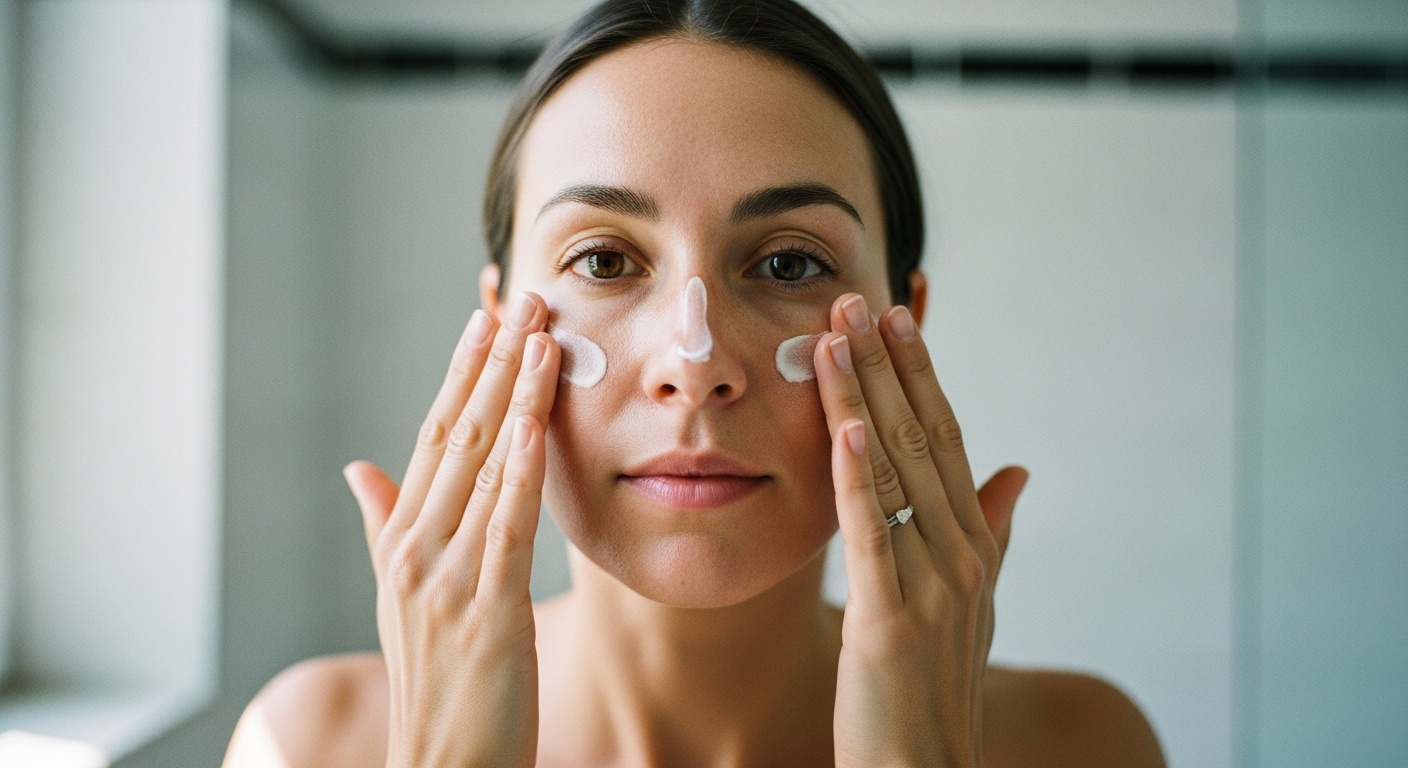
Sunscreen goes on after all skincare products and before any makeup. The sequence is: cleanser, toner, serum, moisturizer, then sunscreen. Wait about five minutes between moisturizer and sunscreen to allow absorption. Apply a nickel-sized amount for the face and a shot glass amount for exposed body areas.
Applying Sunscreen Under Makeup
Allow sunscreen to set for 15 minutes before applying makeup. Pat rather than rub foundation over sunscreen to avoid disturbing the protective layer. Primer-like sunscreen formulas create a smooth base for makeup application. Those with acne-prone skin should look for non-comedogenic formulas that double as a primer. Doctronic.ai offers telehealth consultations where users can discuss skincare routines and receive personalized recommendations for integrating sun protection.
Reapplication Strategies Throughout the Day
Reapply every two hours during direct sun exposure. For office workers, reapplying at least once during the day is recommended if exposed to sunlight through windows or when stepping outside. Powder sunscreens and SPF setting sprays allow reapplication over makeup without disturbing it. Keep a travel-size sunscreen in your bag for midday touch-ups.
Final Checklist for Choosing Your Daily SPF
Select broad-spectrum protection with SPF 30 or higher. Match the formula to your skin type: oil-free for oily skin, hydrating for dry skin, mineral for sensitive skin. Check that the texture feels comfortable enough for daily wear. Verify the formula works under makeup if that is part of your routine. Doctronic.ai can help users track their skincare routines and receive reminders about sun protection through its AI-powered health platform.
Frequently Asked Questions
No. SPF in foundation, powder, or moisturizer rarely provides adequate coverage because people apply too little. Achieving the labeled SPF would require applying seven times the normal amount of foundation. Treat SPF makeup as a bonus layer, not a replacement for dedicated sunscreen.
SPF 30 blocks 97% of UVB rays, while SPF 50 blocks 98%. The difference is minimal, and higher SPF numbers create false confidence that leads to less frequent reapplication. SPF 30 to 50 applied generously and reapplied regularly outperforms SPF 100 applied once and forgotten.
No. While darker skin contains more melanin, which provides some natural protection, it does not prevent UV damage, hyperpigmentation, or skin cancer. Everyone benefits from daily sunscreen regardless of skin tone.
Sunscreen provides protection for approximately two hours of sun exposure. Swimming, sweating, and towel-drying reduce this time. Indoor workers with minimal sun exposure can extend this window.
Yes. Most sunscreens remain effective for three years from manufacture date. Check expiration dates and discard any formula that has changed color, consistency, or smell.
Studies show regular sunscreen users maintain adequate vitamin D levels. The body requires only minimal UV exposure to produce vitamin D, and most people get sufficient amounts even with consistent sunscreen use.
The Bottom Line
The best face sunscreen for daily use is one that matches your skin type and feels comfortable enough to wear every single day without exception. For personalized skincare guidance and AI-powered health consultations, visit Doctronic.ai to get answers about sun protection and overall skin health in seconds.
Understanding Emotional Wellness Through DBTEmotions feel overwhelming when they seem to control every decision. Dialectical Behavior Therapy offers practical techniques for [...]
Getting Skin Care Without the Insurance HeadachesThat suspicious mole has been bothering you for weeks. You want answers from a dermatologist, but a quick call to your [...]
Why Ankles Swell After Physical ActivityFinishing a workout with puffy, tight ankles can be alarming. Most people assume something is wrong, but bloated ankles after exercise [...]