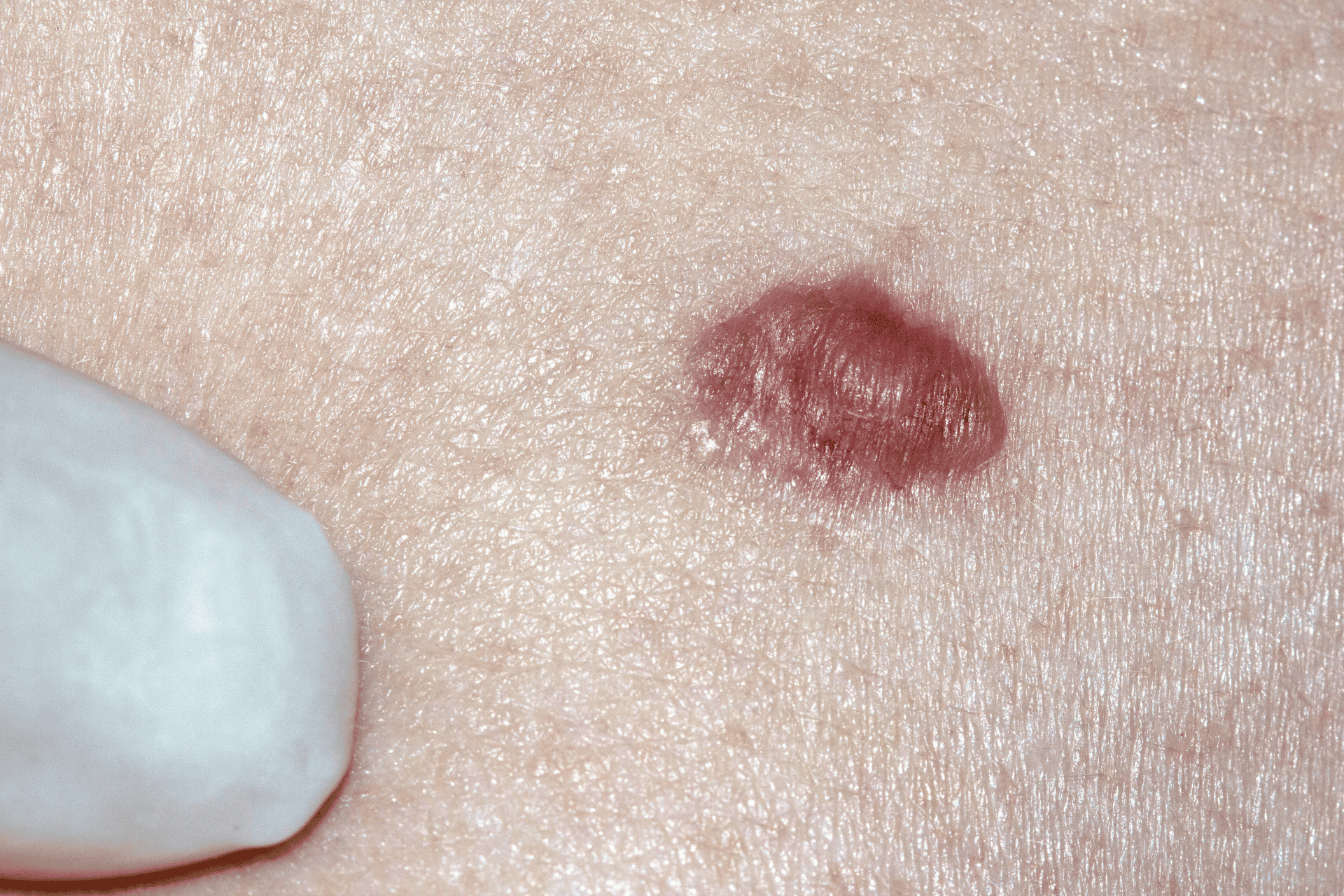
Basal Cell Carcinoma: The Most Common Skin Cancer Explained
Key Takeaways
Basal cell carcinoma is the most common skin cancer, with an estimated 3.8 million cases diagnosed annually in the United States alone
The cancer typically appears as a pearly bump, non-healing sore, or recurring scab on sun-exposed areas like the face, neck, and hands
Ultraviolet radiation from sun exposure and tanning beds is the primary cause, though genetics and fair skin increase risk
Early detection through regular skin exams leads to excellent treatment outcomes, with cure rates typically between 95% and 99% when caught early
Prevention relies on consistent sun protection habits, including sunscreen use, protective clothing, and avoiding peak UV hours
For questions about suspicious skin changes, Doctronic.ai offers free AI doctor consultations to help identify concerning symptoms early
Understanding Basal Cell Carcinoma and Its Prevalence
Skin cancer affects more people than any other cancer type, and basal cell carcinoma sits at the top of that list. This slow-growing cancer develops in the basal cells, which are found in the deepest layer of the epidermis. While rarely life-threatening, untreated basal cell carcinoma can cause significant disfigurement and local tissue damage. Understanding this common skin cancer helps people recognize warning signs early and seek appropriate treatment.
What is Basal Cell Carcinoma?
Basal cells continuously produce new skin cells as old ones die off. When DNA damage occurs in these cells, typically from ultraviolet radiation, they can begin multiplying uncontrollably. The resulting tumor grows slowly and almost never spreads to distant organs. This makes basal cell carcinoma highly treatable when detected early.
Why It Is the Most Frequently Diagnosed Skin Cancer
The numbers tell a striking story. An estimated 3.8 million cases of basal cell carcinoma are diagnosed in the U.S. each year, making it far more common than melanoma or squamous cell carcinoma. Decades of cumulative sun exposure, combined with longer lifespans and outdoor recreational activities, have driven these rates upward. Fair-skinned populations face the highest risk, though anyone can develop this cancer.
Identifying Visual Signs and Common Symptoms
Recognizing basal cell carcinoma early requires knowing what to look for on the skin. The cancer presents in several distinct forms, each with characteristic features.
Recognizing the 'Pearly' Bump and Other Physical Markers
The classic presentation is a small, flesh-colored or pink bump with a pearly, translucent quality. Tiny blood vessels may be visible on the surface. Some lesions appear as flat, scaly patches that are pink or red. Others resemble waxy scars with poorly defined borders. Any new growth that looks different from surrounding skin warrants attention.
Non-Healing Sores and Recurring Scabs
A sore that bleeds, crusts over, and then reopens repeatedly is a major warning sign. These lesions may seem to heal partially before breaking down again. This cycle can continue for weeks or months. Persistent sores that refuse to heal completely should prompt a medical evaluation.
Commonly Affected Areas of the Body
Sun-exposed areas bear the highest risk. The face (especially the nose, eyelids, and ears) accounts for most cases. The neck, scalp, shoulders, and backs of hands are also frequently affected. People who use tanning beds may develop lesions on areas not typically exposed to natural sunlight.
Primary Causes and Risk Factors
Understanding what causes basal cell carcinoma helps inform prevention strategies and identify those at highest risk.
The Role of Ultraviolet (UV) Radiation Exposure
UV radiation damages DNA in skin cells. Both UVA and UVB rays contribute to this damage. Intense, intermittent sun exposure causing sunburns appears particularly harmful. Tanning beds deliver concentrated UV radiation and significantly increase risk, especially when used before age 30. Cumulative lifetime exposure adds up, explaining why older adults face higher rates.
Genetic Predispositions and Skin Phenotypes
People with fair skin, light eyes, and red or blonde hair have less melanin protection against UV damage. Those who burn easily and tan poorly face elevated risk. Certain genetic conditions, including Gorlin syndrome, dramatically increase susceptibility. A family history of skin cancer also raises individual risk.
Environmental and Medical Influences
Previous radiation therapy to the skin increases basal cell carcinoma risk in treated areas. Chronic arsenic exposure, though rare today, is a known risk factor. Immunosuppression from organ transplants or certain medications reduces the body's ability to repair DNA damage and destroy abnormal cells. Doctronic.ai can help assess personal risk factors through comprehensive health consultations.
Diagnostic Procedures and Clinical Evaluation
Accurate diagnosis requires professional evaluation and, typically, a tissue sample for microscopic examination.
The Importance of Regular Professional Skin Exams
Dermatologists are trained to spot subtle skin changes that patients might miss. The American Academy of Dermatology recommends regular skin checks for high-risk individuals or those with prior skin cancer. Regular exams catch new cancers early when treatment is simplest. Self-examinations between professional visits help identify concerning changes.
Skin Biopsy Techniques for Confirmation
A biopsy removes a small tissue sample for laboratory analysis. Shave biopsies take thin slices from the skin surface. Punch biopsies remove deeper cylindrical samples. Excisional biopsies remove entire suspicious lesions. Pathologists examine the tissue under a microscope to confirm the diagnosis and determine the cancer subtype.
Effective Treatment Options and Management
Multiple treatment approaches exist, with selection depending on tumor size, location, and subtype.
Mohs Micrographic Surgery for High-Precision Removal
Mohs surgery offers the highest cure rates, typically between 97% and 99% for new tumors. The surgeon removes thin layers of tissue and examines each layer microscopically during the procedure. This continues until no cancer cells remain. The technique preserves maximum healthy tissue, making it ideal for facial cancers where cosmetic outcomes matter.
Excisional Surgery and Electrosurgery
Standard excision removes the tumor plus a margin of surrounding normal tissue. This works well for smaller, well-defined tumors on the trunk or limbs. Electrodesiccation and curettage uses a curette to scrape away the cancer, followed by electric current to destroy remaining cells. This approach suits superficial tumors in low-risk locations.
Topical and Non-Invasive Therapies
Superficial basal cell carcinomas may respond to topical medications like imiquimod or 5-fluorouracil. These creams stimulate immune responses or directly kill cancer cells. Photodynamic therapy uses light-activated drugs to destroy tumors. Radiation therapy provides an option for patients who cannot undergo surgery.
Prevention Strategies and Long-Term Outlook
Preventing basal cell carcinoma centers on reducing UV exposure and monitoring skin for changes.
Sun Protection Habits and Behavioral Changes
Daily sunscreen use with SPF 30 or higher protects against UV damage. Broad-spectrum formulas block both UVA and UVB rays. Reapplication every two hours, or after swimming or sweating, maintains protection. Protective clothing, wide-brimmed hats, and sunglasses add physical barriers. Seeking shade during peak sun hours between 10 AM and 4 PM reduces exposure significantly.
Monitoring for Recurrence and Future Risks
People who have had one basal cell carcinoma face increased risk for additional skin cancers. Monthly self-examinations help catch new lesions early. Keeping a skin map or photographs tracks changes over time. Doctronic.ai provides a convenient way to discuss concerning skin changes with medical professionals anytime.
Frequently Asked Questions
Basal cell carcinoma very rarely metastasizes to distant organs. Fewer than 0.05% of cases spread beyond the original site. The cancer grows locally and can invade nearby tissues if left untreated, but it almost never enters the bloodstream or lymphatic system.
This cancer typically grows slowly over months to years. Some tumors may take years to become noticeable. Growth rates vary by subtype, with certain aggressive forms growing faster than typical nodular basal cell carcinomas.
While specific genetic syndromes increase risk, most cases result from environmental UV exposure rather than inherited genes. Having a first-degree relative with skin cancer does elevate personal risk, suggesting some genetic component to susceptibility.
Untreated tumors continue growing and invading surrounding tissue. Facial cancers can damage eyes, ears, and nasal structures. Large tumors become more difficult to treat and may require extensive reconstructive surgery. Early treatment prevents these complications.
Recurrence is possible, particularly with certain subtypes or incompletely removed tumors. Mohs surgery has the lowest recurrence rates. Regular follow-up examinations monitor for recurrence and catch any new cancers early.
The Bottom Line
Basal cell carcinoma is highly treatable when caught early, making awareness of warning signs and regular skin checks essential for everyone. For questions about suspicious skin changes or personalized risk assessment, Doctronic.ai offers free AI consultations and affordable telehealth visits with licensed physicians available 24/7.
Understanding Emotional Wellness Through DBTEmotions feel overwhelming when they seem to control every decision. Dialectical Behavior Therapy offers practical techniques for [...]
Getting Skin Care Without the Insurance HeadachesThat suspicious mole has been bothering you for weeks. You want answers from a dermatologist, but a quick call to your [...]
Why Ankles Swell After Physical ActivityFinishing a workout with puffy, tight ankles can be alarming. Most people assume something is wrong, but bloated ankles after exercise [...]