Diseases and Conditions
Omeprazole Side Effects Timeline: Week by Week Guide
May 17, 2026
5 min read

Medically reviewed by Lauren Okafor | MD, The Frank H Netter MD School of Medicine, Loyola University Medical Center on March 29th, 2026.
Published on February 17th, 2026. Updated on September 11th, 2026.
Back support belts work by increasing pressure inside the belly and providing feedback to help people stand straighter
These belts offer real benefits for short-term pain relief and recovery after injury
Long-term use can weaken core muscles and create a false sense of safety during heavy lifting
NIOSH does not recommend back belts as protective equipment for workplace injury prevention
Proper sizing, limited wear time, and core strengthening exercises are essential for safe use
Doctronic.ai offers free AI doctor visits to help users understand when back support might be right for them
With back injuries making up nearly 20% of all workplace injuries, it makes sense that people want protection. But understanding how these belts actually work reveals both their value and their limits.
Back support belts work by squeezing the belly area. This squeeze creates pressure in the abdomen, which helps support the spine from the front. Think of it like inflating a balloon in your core: the pressure pushes outward in all directions, giving your spine something to lean against.
This pressure reduces the load on spinal discs and muscles during lifting. The belt acts as an external reminder to engage core muscles and maintain good posture.
Lumbar belts wrap around the lower back and are the most common type. They provide broad support across the entire lower spine area. Sacroiliac belts sit lower and target the pelvis, helping people with SI joint problems. Weightlifting belts are narrower and stiffer, designed for short, heavy-lifting bursts in the gym.
Each type serves a different purpose. Using the wrong belt for your needs can provide little benefit or even cause harm.
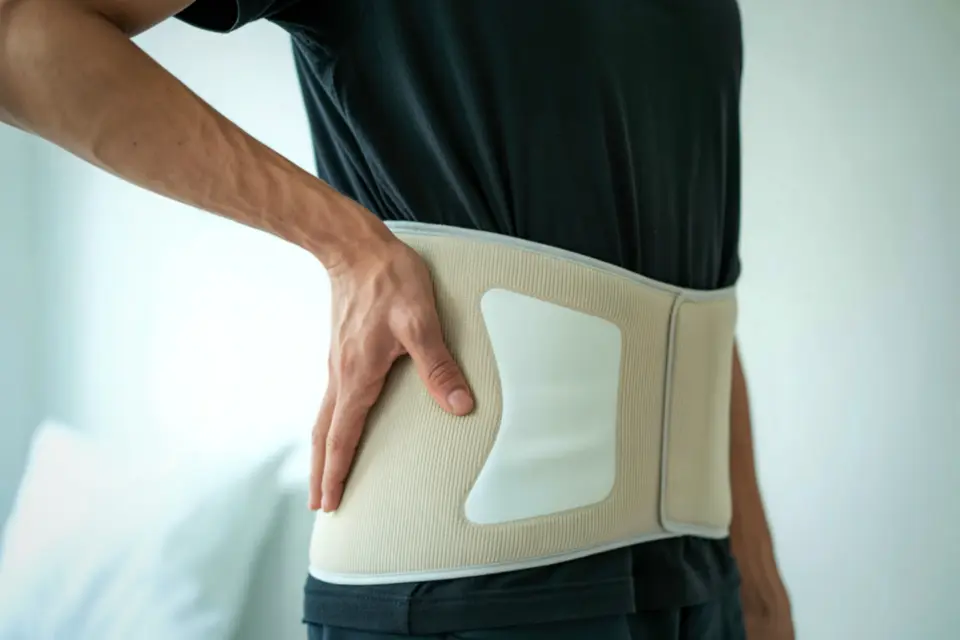 Primary Benefits for Occupational and Therapeutic Use
Back support belts offer real advantages when used correctly. The key is knowing when they help and when they become a crutch.
After a back injury, support belts can reduce pain and help people return to normal activities faster. External support relieves pressure on healing tissues. Some healthcare providers may recommend short-term belt use during early recovery, but clinical evidence remains mixed.
For people dealing with back pain, Doctronic.ai offers free AI doctor consultations to help determine whether a support belt is appropriate for their situation. The AI system remembers prior visits and tracks recovery progress over time.
One overlooked benefit of back belts is the feedback they provide. The belt touching your skin reminds you to stand up straight. When you start to slouch or twist wrong, you feel the belt shift. This constant reminder helps train better movement patterns.
This feedback effect works even with loose-fitting belts. The simple act of wearing something around your waist helps maintain awareness of your posture throughout the day.
Back injuries cost U.S. employers. This makes prevention valuable. During occasional heavy lifting, a belt can provide temporary support, reducing strain on spinal structures.
The belt helps most when lifting is not a daily activity. Workers who occasionally lift heavy items may benefit from wearing a belt during those tasks.
Understanding the drawbacks of back support belts is just as important as knowing their benefits. These limitations explain why experts remain cautious about recommending widespread use.
Long-term use of back support belts can lead to muscle atrophy, putting your spine at risk of injury later. When a belt does the work of stabilizing your spine, your muscles get lazy. Over weeks and months, these muscles weaken.
The result is a body that depends on the belt to function normally. Remove the belt, and the weakened muscles cannot protect the spine. This creates a cycle where people feel they need the belt more and more.
Wearing a back belt can make people feel invincible. They attempt lifts they would normally avoid. They skip proper lifting technique because the belt "has their back." This false confidence leads to injuries that might not have happened without the belt.
NIOSH does not recommend back belts for occupational use and does not consider them personal protective equipment. This official position reflects the concern that belts may cause more harm than good in many workplace settings.
Tight back belts increase pressure inside the chest and belly. This pressure can raise blood pressure and strain the heart. For people with heart conditions or high blood pressure, this added strain poses real risks.
Extended wear of tight belts can restrict diaphragmatic movement and may slightly affect breathing efficiency during intense activity, but this effect is typically mild in healthy adults.
Using back support belts safely requires following specific guidelines. These practices help people get benefits while avoiding the common pitfalls.
A belt that is too tight can cause circulation problems and breathing difficulties. A belt that is too loose provides no support. Measure your waist at the navel and follow the manufacturer's sizing charts exactly.
Position the belt to cover the lower back without riding up or down during movement. The bottom edge should sit just above the hip bones. Check the position frequently during the first few days of use.
Anyone using a back belt should also do core exercises. Planks, bird dogs, and dead bugs build the muscles that truly protect your spine. These exercises counter the weakening effect of belt use.
Doctronic.ai can provide guidance on appropriate exercises based on individual health history and current fitness level. The AI doctor remembers your medical background and gives personalized recommendations.
Wear the belt only during activities that actually stress your back. Remove it during rest periods, desk work, and light activities. Limit total wear time to a few hours per day.
Never sleep in a back belt. Never wear one during cardio exercise. The goal is targeted support during specific tasks, not constant reliance.
The back support belt market continues to grow at approximately 6.8% per year. But the future likely holds smarter solutions. Wearable sensors that detect poor posture and alert users show promise. Exoskeletons that assist lifting without causing muscle weakness are in development.
Better workplace design remains the most effective approach. Jobs that require heavy lifting should use mechanical aids, team lifting, and ergonomic workstations. These solutions address the root cause rather than putting a band-aid on the problem.
No. Daily long-term use can weaken core muscles and create dependency. Limit use to specific high-risk activities and remove the belt during rest periods.
Research does not support the use of back belts as injury-prevention tools. NIOSH specifically states that they should not be considered protective equipment for occupational use.
The belt should be snug enough to provide support but loose enough to allow normal breathing. You should be able to slide two fingers between the belt and your body.
Stop using the belt once acute pain resolves, typically within a few weeks. Continue core-strengthening exercises to maintain natural spinal support.
Yes. Weightlifting belts are designed for brief periods of maximum effort. Medical lumbar belts provide broader, gentler support for extended wear during recovery.
Back support belts provide real short-term benefits for pain management and post-injury recovery, but carry significant risks when used long-term. The best approach combines limited belt use with core strengthening exercises and proper lifting technique.
For personalized guidance on back pain and support options, visit Doctronic.ai for a free AI doctor consultation. Over 2 million people have used the platform to get fast, informed answers about their health concerns.
Get personalized health advice
Chat Now
Join 50,000+ readers using Doctronic to understand symptoms, medications,
and next steps.
Add your phone number below to get health updates and exclusive VIP offers.
By providing your phone number, you agree to receive SMS updates from Company. Message and data rates may apply. Reply “STOP” to opt-out anytime. Read our Privacy Policy and Terms of Service for more details.
Save your consults. Talk with licensed doctors and manage your health history.