

Vaginal Dryness During Menopause
Meta Description: Understand why vaginal dryness during menopause occurs and explore effective treatments, from moisturizing therapies to low-dose estrogen and laser [...]
Read MoreBack pain radiating to the groin often stems from irritation of the L1-L3 spinal nerves, which share pathways with groin sensation
Sacroiliac joint dysfunction causes pain that spreads from the lower back to the groin, buttocks, and thighs
Non-spinal causes like kidney stones and inguinal hernias can mimic this pain pattern
Emergency symptoms, including loss of bladder control, l require immediate medical attention
A thorough examination helps determine if pain originates from the spine, nerves, muscles, or joints
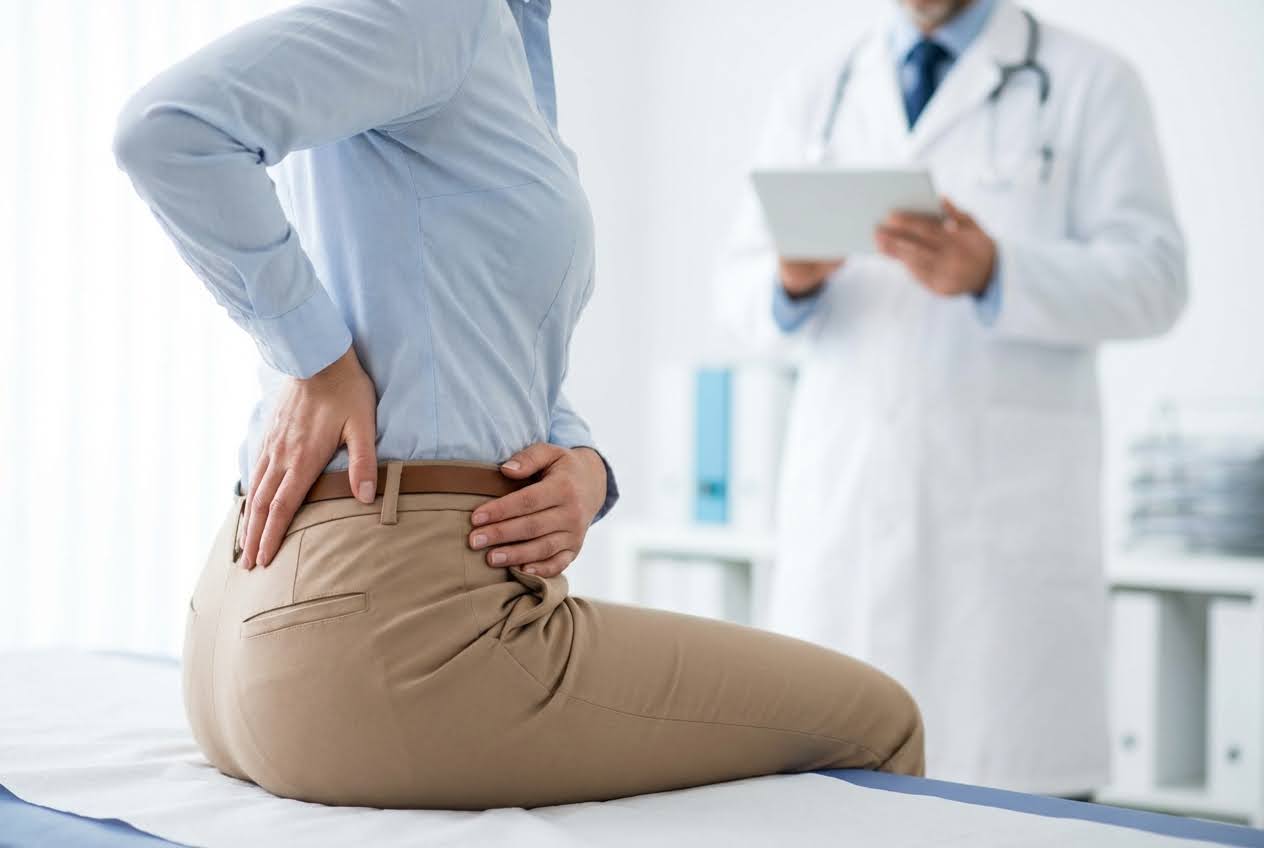
When lower back discomfort starts creeping into the groin area, the experience can feel alarming. This pain pattern affects millions of people and often leads to confusion about the underlying cause. The groin and lower back share nerve pathways, which explains why damage or irritation in one area can create sensations in the other. Understanding these connections helps people recognize when they need professional evaluation versus when simple home care might help. Doctronic.ai provides a helpful starting point for understanding these symptoms before seeing a specialist.
The lower spine and groin region share a complex network of nerves that can create confusing pain patterns. Pain originating in the back and radiating to the groin rarely indicates pathology at both sites. Instead, the brain sometimes misreads the source of signals.
Two major nerves control sensation in the groin area. The obturator nerve exits the spine around the L2-L4 vertebrae and travels through the pelvis to the inner thigh. The femoral nerve follows a similar path but serves the front of the thigh. When spinal problems compress or irritate these nerves at their origin, pain can appear anywhere along their pathway. Irritation of the L1-L3 spinal nerves can cause back pain that radiates to the groin, making an accurate diagnosis essential.
Referred pain occurs when the brain misinterprets the source of a signal. Radiculopathy involves compression of a nerve root, causing numbness, tingling, or weakness along its path. Both can cause groin symptoms, but the treatments differ significantly. Referred pain often responds to treatment of the primary source, whereas radiculopathy may require addressing the specific nerve compression.
 Common Spinal Causes of Radiating Pain
Several spinal conditions can cause pain that radiates from the back to the groin. Identifying the specific cause determines the most effective treatment approach.
Disc herniations at the L1-L3 levels are the most likely to produce groin or anterior thigh pain. Herniations below this level (L4-L5, L5-S1) usually cause leg or foot symptoms. The disc material presses against nerve roots, creating pain, numbness, or weakness in the areas those nerves supply.
Narrowing of the spinal canal or the openings where nerves exit can squeeze nerve roots. This narrowing often develops gradually with age as arthritis builds up. Symptoms typically worsen with standing and walking but improve with sitting or bending forward. Doctronic.ai can help individuals determine whether their symptom pattern is consistent with stenosis before scheduling imaging studies.
When one vertebra slips forward over another, it can compress nerves and create instability. This condition ranges from mild to severe and may cause back pain that spreads to the groin, especially during activity. Treatment depends on the degree of slippage and symptom severity.
Not all back-to-groin pain comes from the spine itself. Joints and muscles in the pelvis and hip region can create similar symptoms.
The SI joint connects the spine to the pelvis and bears significant load during movement. Sacroiliac joint dysfunction can cause pain radiating from the lower back to the groin, buttocks, and thighs, often on one side, worsening with prolonged standing or walking. This joint problem often gets overlooked because it mimics other conditions.
Hip joint problems commonly refer pain to the groin and lower back. The hip's ball-and-socket design means damage inside the joint often creates symptoms felt elsewhere. Labral tears, which affect the cartilage ring around the hip socket, frequently cause groin pain that worsens with certain movements.
The psoas muscle runs from the lumbar spine through the pelvis to the upper thigh. Tightness or trigger points in this muscle can cause pain in both the lower back and groin. Prolonged sitting often contributes to psoas problems.
Sometimes, back pain radiating to the groin has nothing to do with bones, muscles, or nerves. Internal organs can produce similar symptoms.
Kidney stones classically cause severe flank pain that radiates to the groin. The pain often comes in waves and may include blood in the urine or painful urination. Kidney infections can produce similar patterns with added fever and chills.
When abdominal tissue pushes through a weak spot in the groin area, it creates an inguinal hernia. These often cause groin pain that worsens with lifting or straining and may include a visible bulge. The pain can radiate to the lower abdomen rather than the lower back, especially with larger hernias.
Proper diagnosis requires systematic evaluation. A thorough examination can determine if the pain is from the spine, nerves, muscles, or SI joint, making professional evaluation valuable.
Doctors test reflexes, strength, and sensation to identify which nerves might be involved. Specific movements help distinguish hip problems from spine problems. The examination pattern often reveals the diagnosis before any imaging occurs.
MRI provides the best view of soft tissues like discs and nerves. CT scans provide clearer bone detail. X-rays provide a rapid initial assessment of alignment and arthritis. Not every patient needs all three types of imaging.
Certain symptoms require immediate emergency care. Loss of bladder or bowel control, numbness in the groin area, or rapidly progressing weakness in both legs suggest cauda equina syndrome. This condition requires emergency surgery to prevent permanent damage.
Treatment depends entirely on the underlying cause. What helps one condition may worsen another.
Physical therapy addresses muscle imbalances, improves flexibility, and strengthens supporting structures. Specific exercises for sacroiliac joint pain differ from those for disc problems. Working with a therapist ensures the right approach for each diagnosis.
Anti-inflammatory medications reduce swelling around irritated nerves. Muscle relaxants help when spasm contributes to pain. Nerve pain medications work differently from standard pain relievers and may help certain conditions.
Epidural steroid injections can reduce inflammation around compressed nerves. SI joint injections both diagnose and treat that specific problem. Doctronic.ai helps patients understand their options before discussing procedures with specialists.
Many cases improve with rest, gentle stretching, and time. Mild disc bulges and muscle strains often resolve within weeks. Persistent symptoms lasting beyond six weeks warrant professional evaluation.
Specific physical examination tests help distinguish the source. Hip rotation tests, nerve tension signs, and SI joint provocation maneuvers suggest distinct diagnoses. Sometimes diagnostic injections provide the clearest answer.
Not always, but certain patterns require urgent attention. Sudden onset with fever, loss of bladder control, or progressive weakness needs immediate evaluation. A gradual onset without these features typically allows time for a standard workup.
Side sleeping with a pillow between the knees reduces stress on the spine and SI joints. Back sleeping with a pillow under the knees also helps. Stomach sleeping typically worsens symptoms.
Back pain radiating to the groin stems from various causes, including upper lumbar nerve irritation (L1-L3), SI joint dysfunction, and non-orthopedic conditions like kidney stones. Accurate diagnosis informs effective treatment, underscoring the importance of professional evaluation for persistent symptoms. For quick guidance on symptoms and next steps, visit Doctronic.ai to access AI-powered medical information available 24/7.
Meta Description: Understand why vaginal dryness during menopause occurs and explore effective treatments, from moisturizing therapies to low-dose estrogen and laser [...]
Read MoreMeta Description: Discover why perimenopause causes itching and explore effective relief strategies, from hormone therapy to skincare tips, to soothe dry and itchy skin.When [...]
Read MoreMeta Description: Understand why weight gain during perimenopause occurs and learn how to manage it through protein intake, resistance training, and better sleep habits.Why [...]
Read More