

Vaginal Dryness During Menopause
Meta Description: Understand why vaginal dryness during menopause occurs and explore effective treatments, from moisturizing therapies to low-dose estrogen and laser [...]
Read MoreBack massage reduces chronic muscle tension, improves blood flow, and helps the body recover faster from physical strain
Swedish massage works best for relaxation, while deep tissue and trigger point therapy target specific problem areas
Creating the right environment at home with proper tools and essential oils makes self-massage more effective
Foam rollers and massage balls offer affordable ways to relieve lower and upper back pain between professional sessions
Knowing when to avoid massage and when to consult a licensed therapist prevents injury and ensures safe treatment
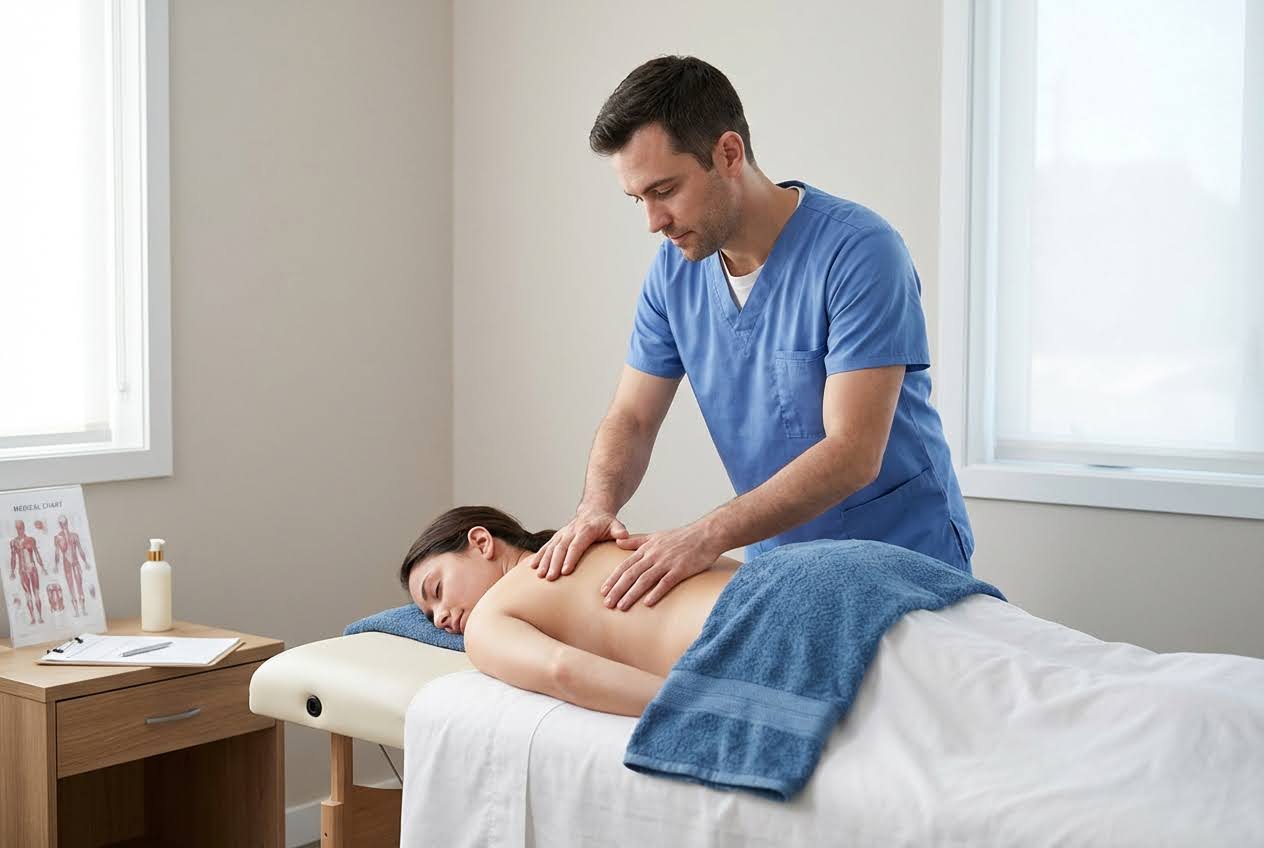
A sore back can make everything harder. Sitting at a desk, picking up groceries, or even sleeping becomes uncomfortable when muscles stay tight and painful. Back massage offers real relief by working directly on the muscles, fascia, and soft tissue that cause discomfort. The benefits extend beyond just feeling good for an hour. Regular massage therapy reduces stress, anxiety, and depression while serving as a natural mood enhancer. Whether someone visits a professional or practices techniques at home, understanding the benefits, methods, and safety tips makes massage therapy work better. For questions about back pain or muscle tension, Doctronic.ai provides AI-powered guidance to help determine when massage is appropriate and when professional medical care might be needed.
Tight muscles develop from poor posture, repetitive movements, and stress. These knots restrict movement and cause ongoing discomfort that painkillers only mask. Massage breaks up adhesions in muscle fibers and releases tension that builds over weeks or months. People with desk jobs often carry chronic tightness in their upper back and shoulders. Regular massage sessions address these problem areas before they become serious injuries.
Massage pushes blood through congested areas and brings fresh oxygen to tired muscles. This increased circulation speeds up recovery after workouts and reduces inflammation. Athletes use massage to bounce back faster between training sessions. The pressure applied during massage also moves lymphatic fluid, which helps remove metabolic waste from tissues. Better circulation means muscles heal more quickly and feel less stiff.
The connection between physical tension and mental stress runs both ways. Tight muscles signal the brain to stay alert, while relaxed muscles tell the nervous system to calm down. Regular back massages promote relaxation, reduce anxiety, and improve mood. Many people report thinking more clearly after a massage because their bodies finally stop sending pain signals that distract the mind.
Swedish massage uses long, flowing strokes that move toward the heart. This technique works well for people new to massage or those seeking general relaxation rather than deep work. The therapist applies light to medium pressure using oil or lotion. Sessions typically last 60 to 90 minutes and leave people feeling calm and refreshed. Swedish massage is the foundation that other techniques build upon.
Deep tissue massage applies firm pressure to reach muscles beneath the surface layer. Therapists use their knuckles, elbows, and forearms to work on chronic problem areas. This technique can feel intense, but it should never cause sharp pain. Deep tissue works best for people with long-standing muscle issues that lighter massage cannot reach. Drinking water after deep tissue sessions can support hydration and comfort, but there is no scientific evidence that it flushes toxins.
Trigger points are tight spots within muscles that refer pain to other areas. A knot in the upper back might cause headaches, while one in the lower back could send pain down the leg. Therapists locate these points and apply sustained pressure until the muscle releases. The sensation often starts as discomfort but transitions to relief as the trigger point lets go. This technique requires skill to identify the exact spots causing problems.
The setting matters almost as much as the technique. A quiet room with dim lighting helps the person receiving a massage relax completely. The surface should be firm but comfortable: a yoga mat on the floor works better than a soft bed. The room temperature should be warm enough that exposed skin does not feel cold. Playing soft, lyricless music reduces distractions and signals the brain to unwind.
Massage oil reduces friction and allows hands to glide smoothly. Coconut oil, almond oil, and jojoba oil all work well. Adding a few drops of lavender essential oil promotes relaxation, while peppermint oil creates a cooling sensation that eases sore muscles. Handheld massage tools extend what hands can do alone. Wooden massage rollers, electric percussion massagers, and heated massage pads each offer different benefits.
Effleurage means gliding the palms along the back with steady pressure. Start at the lower back and move upward toward the shoulders, then return with lighter pressure. This stroke warms up the muscles and spreads the oil. Petrissage involves kneading the muscles like bread dough. Grab and squeeze the muscle, then release and move to the next area. These two strokes form the core of any effective home massage routine.
 Self-Massage Tips for Lower and Upper Back
Foam rollers let people apply their own body weight to massage their back. Lying on the roller and slowly moving up and down covers large muscle groups. For more targeted work, tennis balls or lacrosse balls reach specific tight spots. Place the ball between the back and a wall, then lean into it while rolling gently. These tools cost little but provide relief comparable to a professional massage when used correctly.
Stretching extends the benefits of massage by keeping muscles long and flexible. Cat-cow stretches loosen the entire spine. Child's pose releases the lower back. Thread-the-needle stretches open the upper back and shoulders. Doing these stretches daily prevents muscles from tightening back up between massage sessions. Five minutes of stretching each morning makes a noticeable difference within a week.
Massage is not safe for everyone in every situation. People with blood clots, fractures, severe osteoporosis, or skin infections should avoid massage on affected areas. Pregnancy requires special positioning and techniques. Recent surgery sites need time to heal before massage. Anyone with a fever or acute illness should wait until they recover. When uncertain about whether massage is appropriate, Doctronic.ai can help assess symptoms and provide guidance on safe next steps.
Home massage works for general tension and minor aches. Persistent pain, numbness, tingling, or pain that worsens requires professional evaluation. Licensed massage therapists complete hundreds of hours of training and understand anatomy deeply. They can identify problems that self-massage might miss or worsen. A good therapist also knows when to refer clients to doctors for issues beyond massage therapy's scope.
For general wellness, once or twice per month maintains muscle health. People with chronic pain or high stress benefit from weekly sessions until symptoms improve.
Yes. Massage releases tight muscles that pull the body out of alignment. Combined with strengthening exercises, regular massage supports better posture over time.
Improper technique or too much pressure can aggravate existing injuries. Working with a trained therapist and communicating about pain levels prevents this problem.
Evening massages help with sleep, while morning sessions can reduce stiffness that builds overnight. The best time depends on individual schedules and goals.
Back massage provides proven relief for muscle tension, improves circulation, and reduces stress when done correctly. Understanding different techniques and safety guidelines helps people get the most benefit, whether they visit a professional or practice at home. For personalized health questions about back pain or massage therapy, Doctronic.ai offers AI-assisted health guidance and symptom analysis, providing recommendations based on individual input and medical context.
Meta Description: Understand why vaginal dryness during menopause occurs and explore effective treatments, from moisturizing therapies to low-dose estrogen and laser [...]
Read MoreMeta Description: Discover why perimenopause causes itching and explore effective relief strategies, from hormone therapy to skincare tips, to soothe dry and itchy skin.When [...]
Read MoreMeta Description: Understand why weight gain during perimenopause occurs and learn how to manage it through protein intake, resistance training, and better sleep habits.Why [...]
Read More