
Protopic Side Effects: Common and Serious Reactions Explained

Medically reviewed by Alan Lucks | MD, Alan Lucks MDPC Private Practice - New York on December 18th, 2025.
Published on December 16th, 2025. Updated on July 23rd, 2026.
Key takeaways
Protopic (tacrolimus ointment) is a topical immunomodulator used primarily to treat moderate to severe eczema and other inflammatory skin conditions.
Common side effects include burning, itching, stinging, redness, and skin irritation at the application site, which often improve as your skin adjusts.
Serious side effects are rare but can include allergic reactions, skin infections, and increased sensitivity to sunlight.
Managing side effects often involves adjusting application frequency, using fragrance-free moisturizers, and minimizing sun exposure.
The FDA has issued a boxed warning about a possible link to certain cancers with long-term use, so regular follow-up with a doctor is important.
Questions about Protopic?
Free. Anonymous. Built by doctors.
This article covers general information. Ask Doctronic about your symptoms, medications, side effects, or treatment options.
Key Takeaways
Protopic is a topical immunomodulator used primarily to treat eczema and other inflammatory skin conditions.
Common side effects include burning, itching, stinging, redness, and skin irritation at the application site.
Serious side effects are rare but can include allergic reactions, infections, certain cancers and increased sensitivity to sunlight.
Managing side effects often involves adjusting application frequency, using moisturizers, and avoiding sun exposure.
Consulting with a healthcare provider is important if side effects persist or worsen.
Doctronic.ai offers personalized telehealth consultations to help understand and manage Protopic side effects effectively.
Understanding Protopic Side Effects
Protopic (tacrolimus ointment) is prescribed for moderate to severe eczema when other treatments have failed. The most common Protopic side effects are burning, itching, and redness at the application site. Serious side effects are rare but include allergic reactions and increased infection risk. Knowing what to expect helps you manage these effects and stay on treatment safely.
Most side effects of Protopic are localized to the skin where it is applied. These reactions tend to be mild and temporary, often improving as your skin adjusts to the medication. Some users may experience more serious or persistent issues that require medical attention. Understanding both common and serious side effects is key to using Protopic confidently.
1. Burning Sensation at the Application Site
One of the most frequently reported side effects of Protopic is a burning or stinging sensation immediately after applying the ointment. This occurs because the medication can irritate sensitive or inflamed skin temporarily. The sensation usually lasts a few minutes but can sometimes persist longer, especially during the first week of treatment.
This side effect is generally mild and tends to decrease with continued use. Applying a gentle moisturizer before or after Protopic can help soothe the skin. If burning becomes severe or lasts for an extended period, it’s important to discuss this with your healthcare provider.
2. Itching and Redness
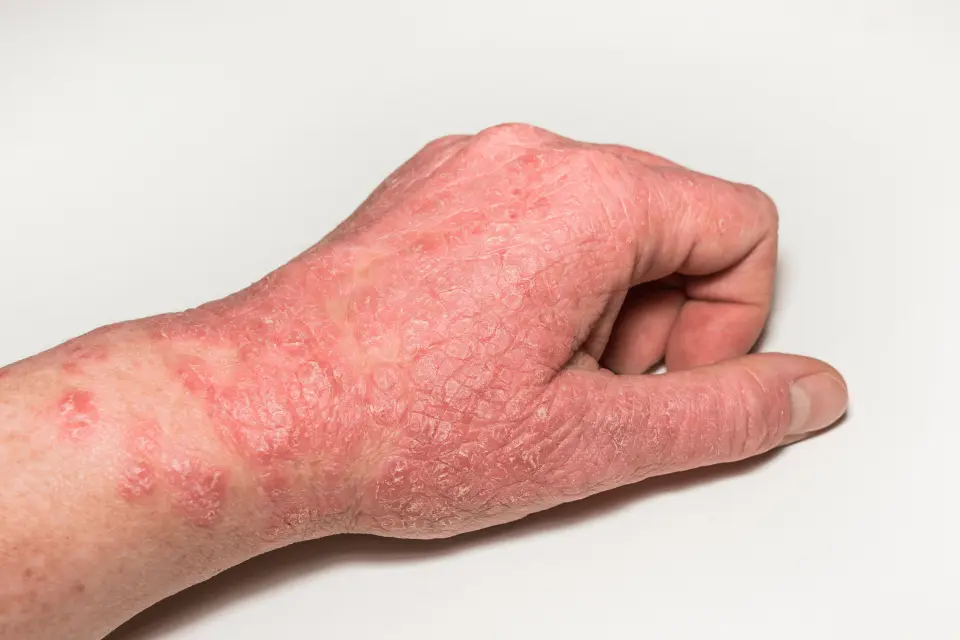
Itching and redness at the site of application are common and expected reactions. These symptoms result from the skin’s response to the medication and the underlying condition being treated. While Protopic reduces inflammation over time, the initial irritation can trigger mild itching or redness.
Keeping the affected area clean and moisturized can reduce discomfort. Avoid scratching, as this may worsen irritation or cause infection. If itching is intense or accompanied by swelling, seek medical advice promptly.
3. Skin Irritation and Dryness
Protopic can cause dryness and peeling in some users, especially if applied too frequently or on very sensitive skin. The ointment’s immune-modulating effects can temporarily disrupt the skin’s natural barrier, leading to irritation.
Using a fragrance-free moisturizer regularly can help maintain skin hydration. Reducing the frequency of application under medical guidance may also alleviate dryness. It’s important not to stop treatment abruptly without consulting a healthcare professional.
4. Photosensitivity and Sunburn Risk
Some users of Protopic report increased sensitivity to sunlight, which can lead to sunburn more easily. The medication can make the skin more vulnerable to ultraviolet (UV) rays, especially during prolonged outdoor exposure.
To protect your skin, avoid direct sunlight during peak hours and use broad-spectrum sunscreen on exposed areas. Wearing protective clothing and hats is also advisable. If you notice unusual redness or blistering after sun exposure while using Protopic, contact your doctor.
5. Allergic Reactions
Though rare, allergic reactions to Protopic can occur. Symptoms may include severe itching, swelling, rash beyond the application site, or difficulty breathing. These reactions require immediate medical attention.
If you suspect an allergy to Protopic, discontinue use and seek emergency care. Your healthcare provider can recommend alternative treatments if necessary.
6. Other Less Common Side Effects
Some users have reported headaches, flu-like symptoms, or mild skin infections while using Protopic. These side effects are less common but worth monitoring. Persistent or worsening symptoms should be evaluated by a healthcare professional.
How to Manage and Reduce Side Effects of Protopic
Adjust Application Frequency
Applying Protopic once daily instead of twice or taking breaks between applications can reduce irritation. Always follow your healthcare provider’s instructions on dosing.
Use Moisturizers Regularly
Keeping the skin hydrated with fragrance-free moisturizers can counteract dryness and peeling. Apply moisturizer before or after Protopic, depending on your skin’s response.
Protect Your Skin from Sunlight
Limit sun exposure and use sunscreen to prevent photosensitivity-related side effects. Avoid tanning beds and prolonged outdoor activities without protection.
Communicate with Your Healthcare Provider
If side effects persist or become bothersome, reach out to your doctor. They may adjust your treatment plan or suggest alternative therapies.
Protopic Allergic Reactions and Warnings
Allergic reactions to Protopic, while uncommon, are serious. Signs include swelling of the face, lips, tongue, or throat, severe rash, or difficulty breathing. Immediate medical attention is critical in these cases.
Protopic is not recommended for children under two years old. The FDA has also issued a boxed warning noting that long-term safety data are limited, so regular follow-up with a doctor is important during extended use.
Protopic and Skin Cancer Risk: What the Research Says
One of the most frequently asked questions about Protopic is whether it raises the risk of skin cancer. The FDA issued a boxed warning for tacrolimus ointment in 2006 based on animal studies and post-marketing case reports suggesting a possible link to lymphoma and skin cancer. It is important to understand what this warning means in practice.
Animal studies used doses far higher than those applied to human skin, and the relevance to topical use at standard concentrations is not clear-cut. Large observational studies in humans have not confirmed a definitive causal link between Protopic and skin cancer in patients who use it as directed. However, because long-term data in humans remain limited, the FDA recommends using Protopic only for short-term or intermittent treatment and avoiding its use in patients with a weakened immune system.
Steps to Reduce Your Risk
There are practical steps you can take to minimize any potential skin cancer risk while using Protopic. Limit sun exposure whenever possible, since Protopic increases photosensitivity and UV radiation is a well-established skin cancer risk factor. Apply a broad-spectrum sunscreen with SPF 30 or higher to any treated areas exposed to the sun, and wear protective clothing during prolonged outdoor activities.
Avoid using Protopic on areas affected by pre-existing skin conditions such as active skin infections, as these can complicate the skin's ability to defend itself. Do not apply the ointment near the eyes or on mucous membranes unless specifically directed by your doctor.
Who Should Be Extra Cautious
Certain groups should discuss the risk-benefit balance with their doctor before starting Protopic. This includes people who have a personal or family history of skin cancer, individuals with conditions that already suppress the immune system, and anyone taking other immunosuppressive medications. Children between 2 and 15 years old should use only the lower-concentration 0.03% formulation.
For most patients with moderate to severe eczema that has not responded to other therapies, the benefits of Protopic outweigh the theoretical risks when used as directed. Open, ongoing communication with your doctor is the best way to keep that balance in check.
Talk to a doctor about Protopic
Connect with a licensed doctor online to talk through your symptoms, understand your treatment options, and find out which medications may be available through telehealth.
- $39 video visit
- Insurance accepted
- 4.8 on Trustpilot
When to Contact Your Doctor About Protopic Side Effects
Contact your healthcare provider if you experience:
Severe or persistent burning, itching, or redness
Signs of infection, such as increased pain, swelling, or pus
Allergic reaction symptoms such as swelling, rash, or difficulty breathing
Unusual symptoms such as flu-like symptoms or headaches
Concerns about side effects interfering with daily activities
Early communication can prevent complications and help tailor your treatment plan. For convenient access to medical advice, consider using Doctronic.ai . This AI-powered telehealth platform offers quick, personalized consultations with licensed doctors 24/7, helping you understand and manage side effects without leaving home.
Learn More About Protopic Side Effects With Doctronic
Doctronic.ai combines the latest peer-reviewed medical research with advanced AI to provide personalized health information. Unlike generic online sources, Doctronic remembers your medical history and tailors advice specifically to your needs. Whether you want to understand side effects, explore treatment alternatives, or get a second opinion, Doctronic is a trusted resource.
With over 10 million users and growing rapidly, Doctronic offers free AI doctor visits as well as affordable telehealth video consultations with licensed physicians in all 50 states. This makes managing Protopic side effects easier and more accessible. Visit Doctronic.ai to get started.
The Bottom Line About Protopic Side Effects
Protopic is an effective treatment for eczema and other inflammatory skin conditions, but side effects are part of the experience for many users. Most side effects are mild and manageable with proper care and communication with your healthcare provider. Serious reactions are rare but require immediate attention.
By understanding what to expect and how to handle side effects, you can use Protopic safely and effectively. Doctronic.ai can make a significant difference in your treatment journey.
Frequently Asked Questions
Most common side effects like burning, stinging, and itching tend to improve within the first one to two weeks of treatment as your skin adjusts to the medication. If these symptoms persist beyond two weeks or worsen at any point, reach out to your doctor. More serious reactions such as allergic responses or signs of infection should be evaluated right away.
Yes, a burning or stinging sensation immediately after applying Protopic is one of the most common side effects and is considered normal, especially during the first week of use. It usually lasts only a few minutes and becomes less intense as treatment continues. Applying a gentle, fragrance-free moisturizer alongside your Protopic can help reduce this discomfort.
Protopic works by suppressing local immune activity, which can slightly reduce the skin's ability to fight off pathogens. Some users develop bacterial, viral, or fungal skin infections at the application site. Signs of infection include increased redness, warmth, swelling, pain, or discharge, and any of these should be reported to your doctor promptly.
The FDA recommends using Protopic for short-term or intermittent treatment rather than continuous long-term application, primarily because long-term safety data in humans are still limited. A boxed warning notes a theoretical risk of lymphoma and skin cancer based on animal studies, although large human studies have not confirmed a direct causal link. Your doctor can help you decide the right treatment schedule based on your individual history.
Protopic is not approved for children under two years old. Children aged 2 to 15 should use only the lower-concentration 0.03% formulation, while adults can use either 0.03% or 0.1%. Because children's immune systems are still developing, pediatric use should always be supervised by a healthcare provider who can monitor for side effects.
References
Related articles
Ask about Protopic side effects
Chat Now