
Why Do I Sweat so Much in My Sleep?

Medically reviewed by Linda Girgis | MD, Girgis Family Medicine on August 21st, 2026.
Night sweats occur when your body's temperature regulation system becomes disrupted during sleep. Common causes include hormonal changes, medications, infections, and sleep disorders. Women experiencing menopause account for up to 85% of night sweat cases due to fluctuating estrogen levels. Other triggers include antidepressants, blood pressure medications, and conditions like sleep apnea or hyperthyroidism. Your sleeping environment also plays a role - room temperatures above 70°F or heavy bedding can worsen symptoms. Most night sweats resolve once underlying causes are addressed, though persistent episodes warrant medical evaluation to rule out serious conditions.
Still have questions about this?
Ask your AI Doctor
Keep exploring
Related Questions
From the blog
More from Doctronic

Night Sweats and Insomnia: Advanced Sleep Hygiene Tips for Menopause
Why Menopause Disrupts Sleep So Dramatically Waking up drenched at 3 a.m. is not a minor inconvenience. For the 20-60% of menopausal women…

Night Sweats During Perimenopause
What Causes Night Sweats During Perimenopause Waking up drenched in sweat at 3 AM is exhausting, frustrating, and far more common than most women…
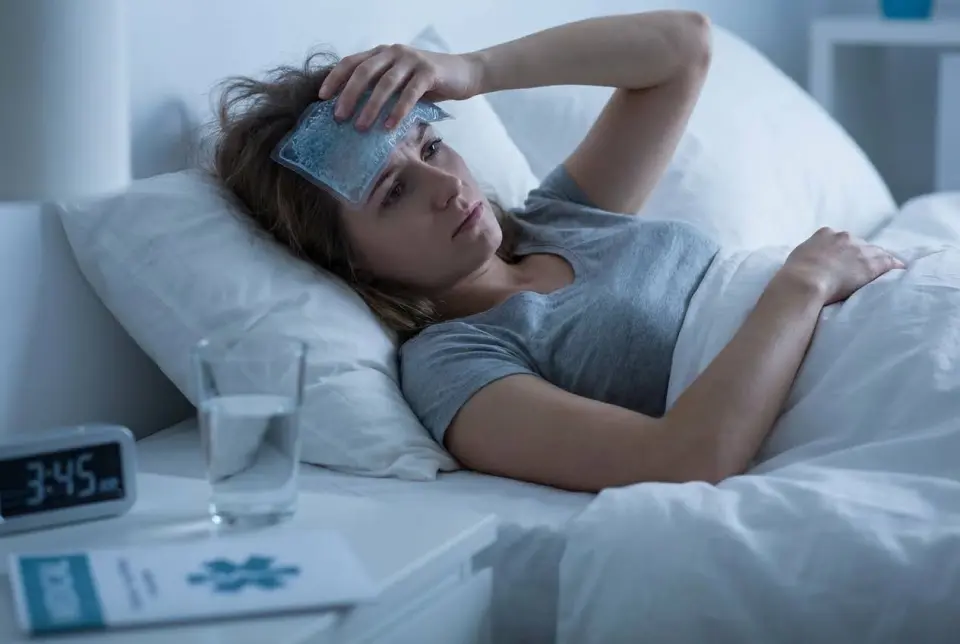
Night Sweats During Menopause
What Every Woman Should Know About Menopausal Night Sweats Waking up drenched in sweat at 3 a.m. is exhausting and frustrating. For millions of…