
What Does It Mean When Your Fingers Turn White in the Cold?

Medically reviewed by Linda Girgis | MD, Girgis Family Medicine on August 20th, 2026.
White fingers in cold weather typically indicate Raynaud's phenomenon, a condition where blood vessels narrow excessively. This affects 3-5% of the population and occurs when small arteries in fingers constrict, reducing blood flow and causing the characteristic white or pale appearance. The condition often follows a color pattern: white (reduced blood flow), then blue (oxygen depletion), and finally red (blood return). Primary Raynaud's is usually harmless and triggered by cold temperatures or stress. However, secondary Raynaud's can signal underlying autoimmune conditions like scleroderma or lupus. If you experience frequent episodes, severe pain, or skin changes, consult a healthcare provider to rule out underlying conditions and discuss management strategies.
Still have questions about this?
Ask your AI Doctor
Keep exploring
Related Questions
From the blog
More from Doctronic
Cold Vs Allergy Symptoms Chart
Determining whether you're dealing with a cold or allergies can be challenging since both conditions share similar respiratory symptoms.…
Chest Cold Vs Head Cold: Different Symptoms, Causes & Treatment
Understanding whether you have a chest cold vs head cold helps determine the right treatment approach and when to seek medical care. While both…
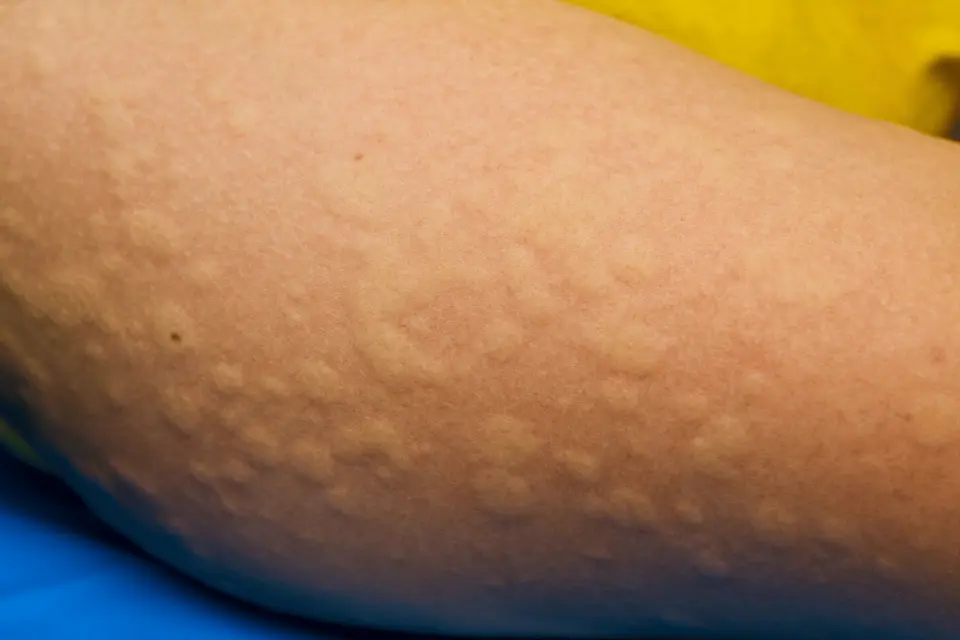
Cold Urticaria: When Cold Weather Causes Hives
When Cold Weather Triggers an Allergic Response Imagine stepping outside on a winter morning and watching red, itchy welts spread across exposed skin…