The Zepbound cost without insurance averages over $1,050 monthly at retail
Eli Lilly’s direct-to-consumer program (LillyDirect) offers prefilled pens, not vials, and patient self-pay pricing has ranged from approximately $550 to $650 monthly in 2026
Prescription discount cards like GoodRx can reduce costs by up to 22%
Annual maintenance costs can exceed $12,700, depending on dosage requirements
HSA and FSA funds are eligible for Zepbound purchases
Doctronic.ai offers affordable telehealth consultations to help patients explore weight management options
The Retail Price of Zepbound Without Insurance Coverage
Paying for Zepbound out of pocket feels overwhelming when the numbers first appear on a pharmacy receipt. The sticker shock is real, and many patients abandon their weight loss journey before it begins simply because they assume the medication is completely out of reach. The truth is more nuanced. While the Zepbound cost without insurance is substantial, several pathways exist to make this FDA-approved weight management medication more affordable. Understanding the baseline pricing structure is the first step toward finding a solution that fits any budget.
Average Monthly Cost for Tirzepatide
The list price for Zepbound may vary slightly based on dosage strength and pharmacy distribution, with the 2.5 mg starter dose sometimes priced lower. Patients should expect some variation in cost depending on which dose their healthcare provider prescribes.
Factors Influencing Pharmacy List Prices
Pharmacy pricing varies significantly based on location, pharmacy type, and current market conditions. Chain pharmacies often charge different amounts than independent pharmacies for the same medication. Geographic location matters too: urban areas with more competition sometimes offer better pricing than rural communities with fewer options. The wholesale acquisition cost set by Eli Lilly serves as the baseline, but individual pharmacies add their own markups based on operating costs and business models.
Lilly Direct and Manufacturer Savings Programs
Eli Lilly recognized that the retail price creates barriers for many patients who could benefit from Zepbound. The company developed several programs specifically designed to help uninsured and underinsured patients access the medication at reduced costs. These programs represent the most significant savings opportunities available today.
Eligibility for the Zepbound Savings Card
The Zepbound Savings Card helps commercially insured patients reduce their copays, but eligibility requirements exclude those on government insurance programs like Medicare and Medicaid. Patients must have commercial insurance that covers Zepbound to qualify. The card cannot be combined with other manufacturer programs, and patients should verify their eligibility directly through the Lilly website before assuming they qualify.
Self-Pay Discounts for Uninsured Patients
Uninsured patients have a direct path to savings through Eli Lilly's self-pay programs. Eli Lilly’s LillyDirect platform allows patients without insurance to access Zepbound prefilled pens for approximately $550 to $650 per month, depending on dose and pharmacy participation. This represents roughly a 40% savings compared to the standard retail price. Patients access these programs through the LillyDirect platform, which ships medication directly to their homes.
Prefilled Pen Options for Lower Entry Costs
Zepbound is available only as a prefilled single-use pen injector and single-dose vials. Patients self-inject once weekly using these pens. LillyDirect’s pricing structure allows lower entry costs for patients beginning treatment, and telehealth providers like Doctronic.ai can help patients learn proper injection techniques through virtual consultations.
Alternative Methods to Reduce Out-of-Pocket Expenses
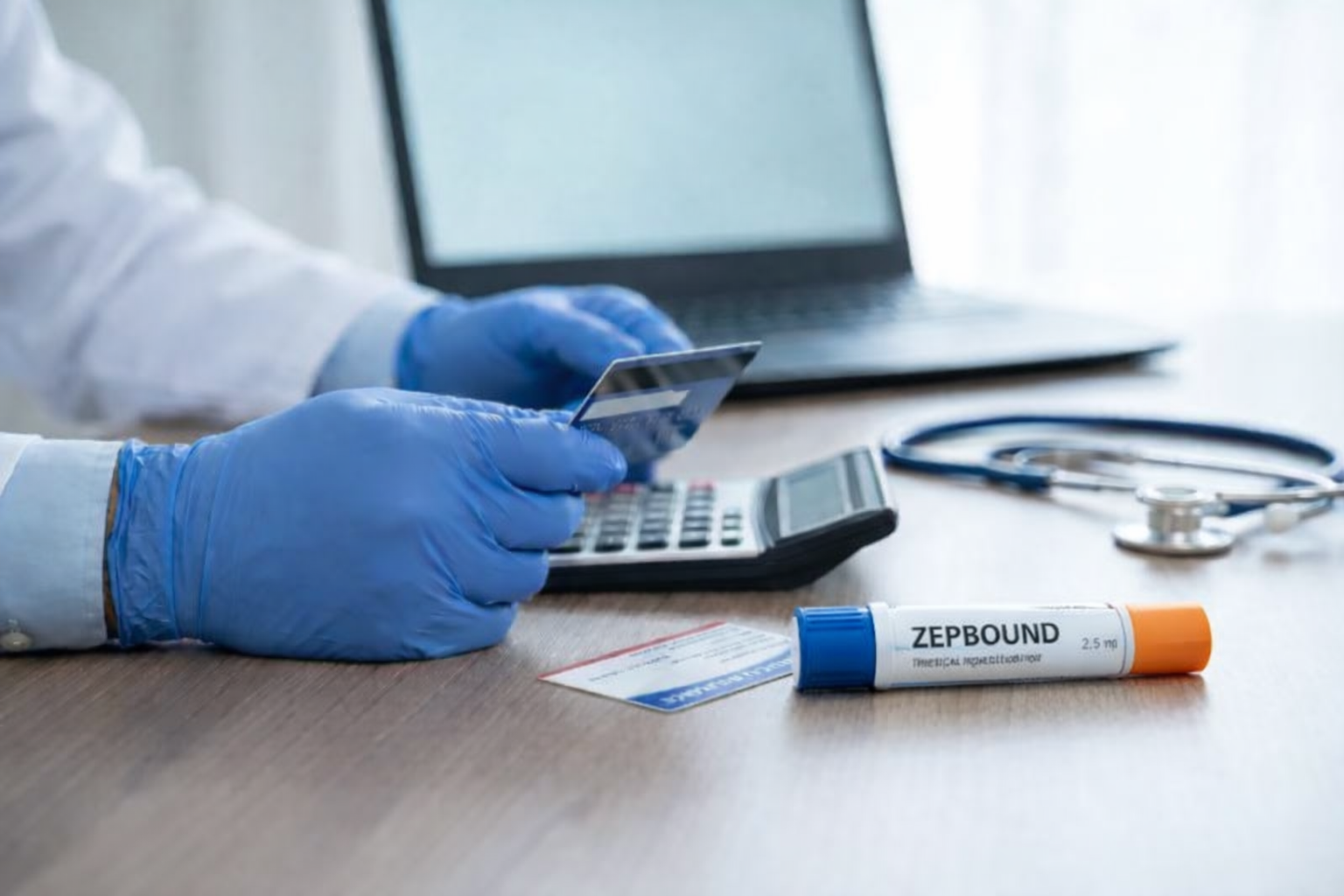
Beyond manufacturer programs, several third-party options exist to reduce the Zepbound cost without insurance coverage. These methods work independently or in combination with other savings strategies.
Using Prescription Discount Cards and Apps
GoodRx coupons can lower the price of Zepbound to around $980, which represents roughly an 8–10% discount off the average retail price. Other discount platforms like RxSaver and SingleCare offer similar savings. Patients should compare prices across multiple platforms before filling their prescription, as discounts vary by pharmacy and change frequently.
Comparing Costs at Big-Box vs. Local Pharmacies
Costco pharmacies often offer lower prices than traditional chain pharmacies, and membership is not required to use the pharmacy. Walmart and Sam's Club also compete aggressively on prescription pricing. Local independent pharmacies sometimes match or beat big-box prices to retain customers. The effort of calling multiple pharmacies before filling a prescription can save hundreds of dollars annually.
Health Savings Accounts (HSA) and FSA Eligibility
Zepbound qualifies as an eligible expense for Health Savings Accounts and Flexible Spending Accounts. Patients using these tax-advantaged accounts effectively reduce their cost by their marginal tax rate. Someone in the 24% tax bracket saves $260 on a $1,086 monthly prescription simply by paying with HSA funds. This strategy works alongside other discount methods for maximum savings.
Long-Term Financial Planning for Weight Management
Weight management medications require ongoing use to maintain results. Patients should plan for extended treatment periods when budgeting for Zepbound.
Projecting Annual Costs for Maintenance Doses
ICER estimated in its 2025 analysis that the net annual price for Zepbound averages around $8,500 after rebates. Patients paying full retail without any discounts face annual costs exceeding $12,700. Using LillyDirect’s self-pay pricing, annual costs drop to between $6,600 and $7,800. Planning for these expenses in advance helps patients commit to the full treatment duration needed for lasting results.
Compounded Tirzepatide vs. Brand Name Zepbound
Compounding pharmacies offer tirzepatide at lower prices than brand-name Zepbound. These compounded versions are not FDA-approved and carry different quality assurances than the brand-name product. As of 2026, the FDA has issued warnings that compounded tirzepatide should only be used when the FDA-approved drug is unavailable and under a valid prescription from a licensed provider. Patients considering this route should discuss the risks and benefits with a healthcare provider. Doctronic.ai offers telehealth consultations for under $40, making it easy to get professional guidance on treatment options.
Navigating Future Insurance Appeals and Coverage Shifts
Insurance coverage for weight management medications continues evolving. Patients denied coverage today may find success with future appeals as more insurers recognize the medical necessity of treating obesity. Documenting weight-related health conditions strengthens appeal cases. Patients should request written denials and follow their insurer's formal appeal process. Some employers are adding GLP-1 medications to their formularies in response to employee demand, so checking coverage annually is worthwhile.
Frequently Asked Questions
Zepbound is available at most major pharmacy chains across the United States. Specialty pharmacies may offer additional services like home delivery and payment plans. Patients should call ahead to confirm availability before traveling to a pharmacy.
Yes. Zepbound is available in both pen and single-dose vial formats, and patients may switch between them if prescribed. Because the injection method differs, switching formats should be done under the guidance of a licensed healthcare provider to ensure proper dosing and technique.
Weight management medications like Zepbound typically require ongoing use to maintain results. Most patients plan for at least 12 to 24 months of treatment, with many continuing indefinitely. Stopping the medication often leads to weight regain.
No generic version of tirzepatide exists currently. Patent protections prevent generic manufacturers from producing the medication. Generic availability remains years away, making current savings programs the primary option for cost reduction.
The Bottom Line
The Zepbound cost without insurance averages over $1,050 monthly at retail, but Eli Lilly's direct programs cut that to roughly $550 to $650 for self-pay patients using prefilled pens. Combining manufacturer programs with discount cards and HSA funds makes this medication accessible to more patients than the sticker price suggests. For personalized guidance on weight management options and affordable telehealth consultations, visit Doctronic.ai to speak with a healthcare provider today.
When most people think of preeclampsia, they immediately associate it with dangerously high blood pressure during pregnancy. However, a lesser-known but equally serious [...]
Panic attacks represent some of the most frightening experiences a person can endure, striking suddenly with overwhelming physical and psychological symptoms. These intense [...]
When sleepless nights become a regular occurrence, over-the-counter sleep aids offer an accessible first line of defense against insomnia. Nearly one-third of adults [...]


 Alternative Methods to Reduce Out-of-Pocket Expenses