

Yoga for Back Pain: Poses and Benefits
Long-Term Back Pain Relief Through Consistent Yoga PracticeBack pain affects millions of people, and most treatments only address physical symptoms while ignoring the [...]
Read More
Medically reviewed by Alan Lucks | MD, Alan Lucks MDPC Private Practice - New York on March 17th, 2026.
Yoga addresses back pain through multiple pathways: building core strength, improving flexibility, and reducing stress-related muscle tension
A 12-week yoga program showed participants experienced about twice the pain reduction compared to non-participants
Essential poses like Cat-Cow, Downward-Facing Dog, Child's Pose, and Sphinx Pose offer immediate relief when practiced correctly
Props such as blocks, straps, and bolsters make yoga accessible for beginners and those with limited mobility
Combining yoga with Doctronic.ai creates a comprehensive approach to long-term pain management
Back pain affects millions of people, and most treatments only address physical symptoms while ignoring the emotional and psychological components. Anti-inflammatory medications mask discomfort temporarily, but they fail to fix the underlying problems causing the pain. Yoga takes a different approach. Yoga's approach addresses emotional, social, and meaningful aspects of pain that pills simply cannot touch. The poses and breathing techniques work together to strengthen weak muscles, stretch tight ones, and calm an overactive nervous system. For anyone tired of temporary fixes, yoga offers lasting relief.
The spine needs movement to stay healthy. Sitting at desks, driving cars, and staring at phones creates tightness and weakness that lead to chronic discomfort. Yoga directly counters these problems by moving the spine through its full range of motion while building the muscles that support it.
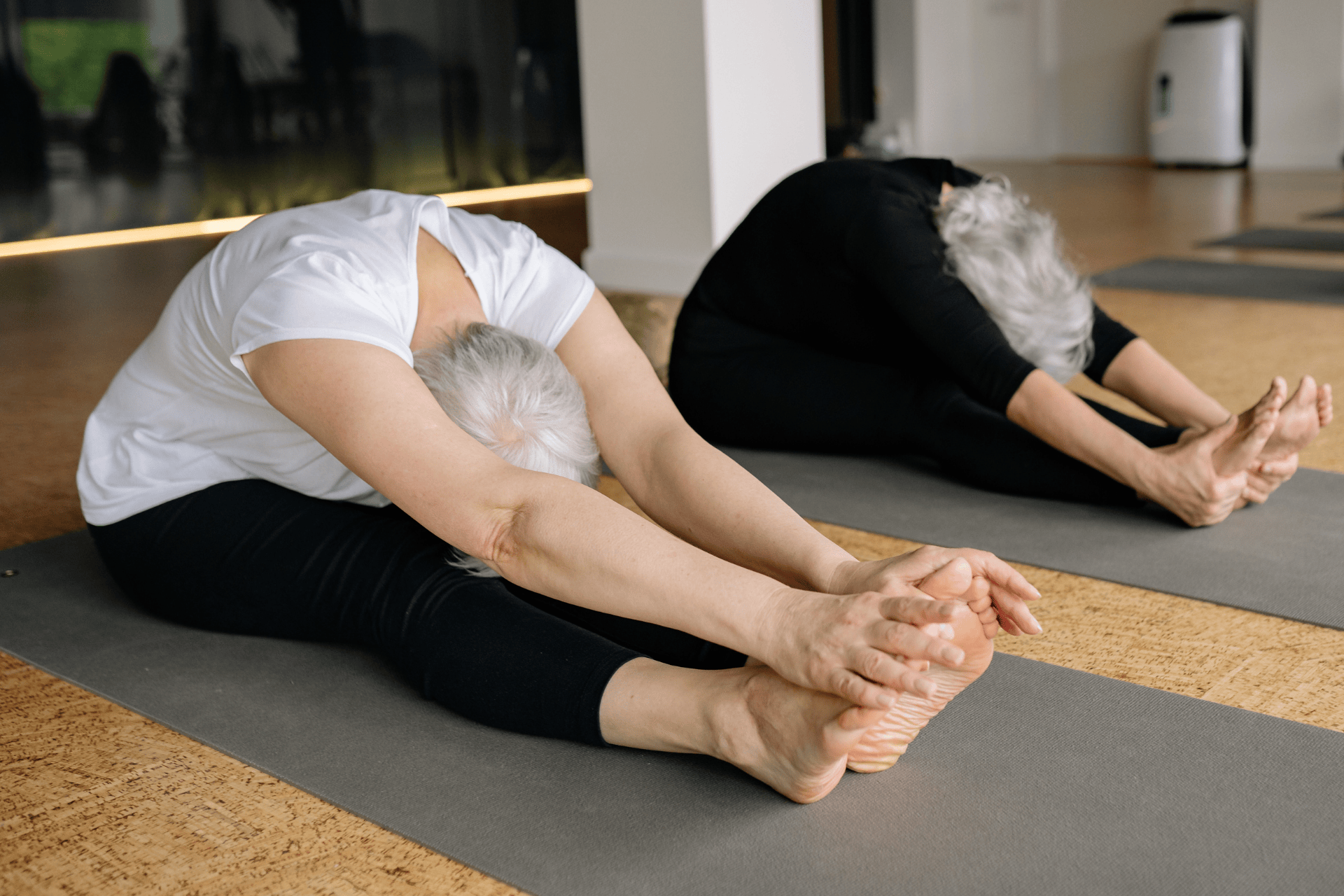
Most back pain comes from three sources: tight hip flexors, weak core muscles, and poor posture. Yoga targets all three simultaneously. Forward folds lengthen shortened hamstrings that pull on the lower back. Twisting poses release tension in the muscles along the spine. Standing poses build strength in the legs and glutes, taking pressure off the lumbar region. The combination creates a balance that pills and passive treatments cannot achieve.
The core includes far more than abdominal muscles. It wraps around the entire midsection like a natural back brace. When these muscles are weak, the spine bears weight it was never designed to handle alone. Yoga poses like plank, boat pose, and even simple standing balances activate deep core stabilizers that traditional crunches miss. A strong core means the spine has support during everyday activities like lifting groceries or picking up children.
These four poses form the foundation of any back-focused yoga practice. Each one serves a specific purpose and can be done at home without special equipment.
Start on hands and knees with wrists under shoulders and knees under hips. On an inhale, drop the belly toward the floor while lifting the chest and tailbone (cow). On an exhale, round the spine toward the ceiling while tucking the chin and tailbone (cat). This gentle movement warms up the entire spine and releases tension between vertebrae. Do 10-15 rounds first thing in the morning or after long periods of sitting.
From hands and knees, tuck the toes and lift the hips high, creating an inverted V shape. This pose helps elongate the spine and may reduce pressure in the lower back, though it does not directly decompress spinal discs. The hamstring stretch also relieves tension that often contributes to lower back pain. Hold for 5-10 breaths, pedaling the feet gently to deepen the stretch.
Kneel on the floor, bring your big toes together, and sit back on your heels. Fold forward, extending arms in front or resting them alongside the body. This pose gently stretches the lower back while calming the nervous system. It serves as a resting position between more active poses and can be held for several minutes at a time.
Lie face down with elbows under shoulders and forearms flat on the floor. Press into the forearms to lift the chest slightly, creating a gentle backbend. This pose strengthens the muscles along the spine while counteracting the forward-hunched posture most people hold all day. Hold for 5-10 breaths, keeping shoulders relaxed away from ears.
The benefits of yoga for back pain extend far beyond the physical. Research shows remarkable improvements in both pain levels and quality of life for regular practitioners.
Tight muscles restrict movement and create pain. Yoga systematically lengthens shortened tissues, restoring the ability to move freely. Participants in a 12-week virtual yoga program reported approximately twice the reduction in pain intensity compared with non-participants. After 24 weeks, the yoga group reported a mean reduction of 2.3 points on an 11-point pain scale.
Hours of sitting create predictable patterns: tight hip flexors, rounded shoulders, and a forward head position. Yoga poses specifically target these imbalances. Hip openers release the front of the body while backbends strengthen the posterior chain. Over time, better posture becomes automatic rather than forced.
Stress causes muscles to tighten, especially in the neck, shoulders, and lower back. The breathing practices in yoga activate the parasympathetic nervous system, signaling the body to relax. This reduction in baseline tension often provides relief that stretching alone cannot achieve.
 Safety Guidelines and Modifications for Beginners
Starting yoga with back pain requires some caution. The goal is to feel better, not worse.
Props make poses accessible for bodies of all abilities. Blocks bring the floor closer in standing poses, reducing strain on tight hamstrings. Straps extend the reach in seated forward folds. Bolsters support the body in restorative poses, allowing muscles to release without effort. Using props is not cheating: it is practicing intelligently.
Some poses are not appropriate for certain back conditions. Deep backbends can aggravate disc herniations. Forward folds may worsen sciatica symptoms. Anyone with severe or sudden back pain should consult a healthcare provider before starting yoga. Doctronic.ai offers quick access to medical guidance, helping people understand when yoga is appropriate and when other interventions are needed first.
One study found that yoga practitioners had significantly fewer days off work due to back pain: an average of four days compared to twelve days for those in the control group. This difference shows yoga's value as part of a comprehensive pain management approach.
Yoga works best when practiced consistently rather than sporadically. Even 15-20 minutes daily produces better results than hour-long sessions once a week. Combining yoga with other evidence-based approaches creates the strongest foundation for long-term relief. Doctronic.ai can help create personalized recommendations based on individual health histories and symptoms.
Yoga classes proved more effective than a self-care book for back pain relief. The movement, breathing, and mindfulness components work together in ways that passive interventions cannot match.
Consistency matters more than duration. Practicing 15-20 minutes daily typically yields better results than longer, less frequent sessions. Starting with three times per week and building up allows the body to adapt gradually.
Yes, if done incorrectly or if certain poses are inappropriate for a specific condition. Working with a qualified instructor initially helps ensure proper form. Anyone with severe pain should get medical clearance before starting.
Many people notice some improvement after their first session. Significant, lasting changes typically appear after 6-12 weeks of consistent practice, based on research findings.
Yoga can complement medical treatment for chronic back pain and may reduce reliance on medication, but it is not a substitute for prescribed medical care. Acute injuries may still require medical intervention first.
Gentle styles like Hatha, Yin, or therapeutic yoga work best for beginners with back pain. Avoid intense styles like hot yoga or power yoga until the back has healed and strengthened.
Yoga offers lasting back pain relief by strengthening core muscles, improving flexibility, and calming the nervous system, benefits that medications alone can’t provide. With consistent practice and proper modifications, results build over time. Doctronic.ai can help determine if yoga fits your condition and guide safe, personalized pain management.
Long-Term Back Pain Relief Through Consistent Yoga PracticeBack pain affects millions of people, and most treatments only address physical symptoms while ignoring the [...]
Read More