Scoliosis is an abnormal sideways curve of the spine that affects 2-3% of the U.S. population, or roughly 6 to 9 million people
The condition ranges from mild curves requiring only monitoring to severe cases needing surgical correction
Early detection through simple screening tests can help reduce curve progression and improve outcomes, but does not always prevent progression
Treatment options include observation, bracing, physical therapy, and surgery, depending on severity and age
Doctronic.ai offers AI-assisted health guidance to help answer questions about spinal conditions and connect patients with licensed providers
Understanding Scoliosis and Spinal Alignment
A healthy spine curves gently front to back, but when it bends sideways, that signals a problem. Scoliosis is an abnormal lateral curvature of the spine that can affect people of any age. Scoliosis affects 2-3% of the U.S. population, which equals about 6 to 9 million people. Understanding this condition starts with understanding what causes a spine to curve abnormally and why it matters for overall health.
Defining the Abnormal Lateral Curvature
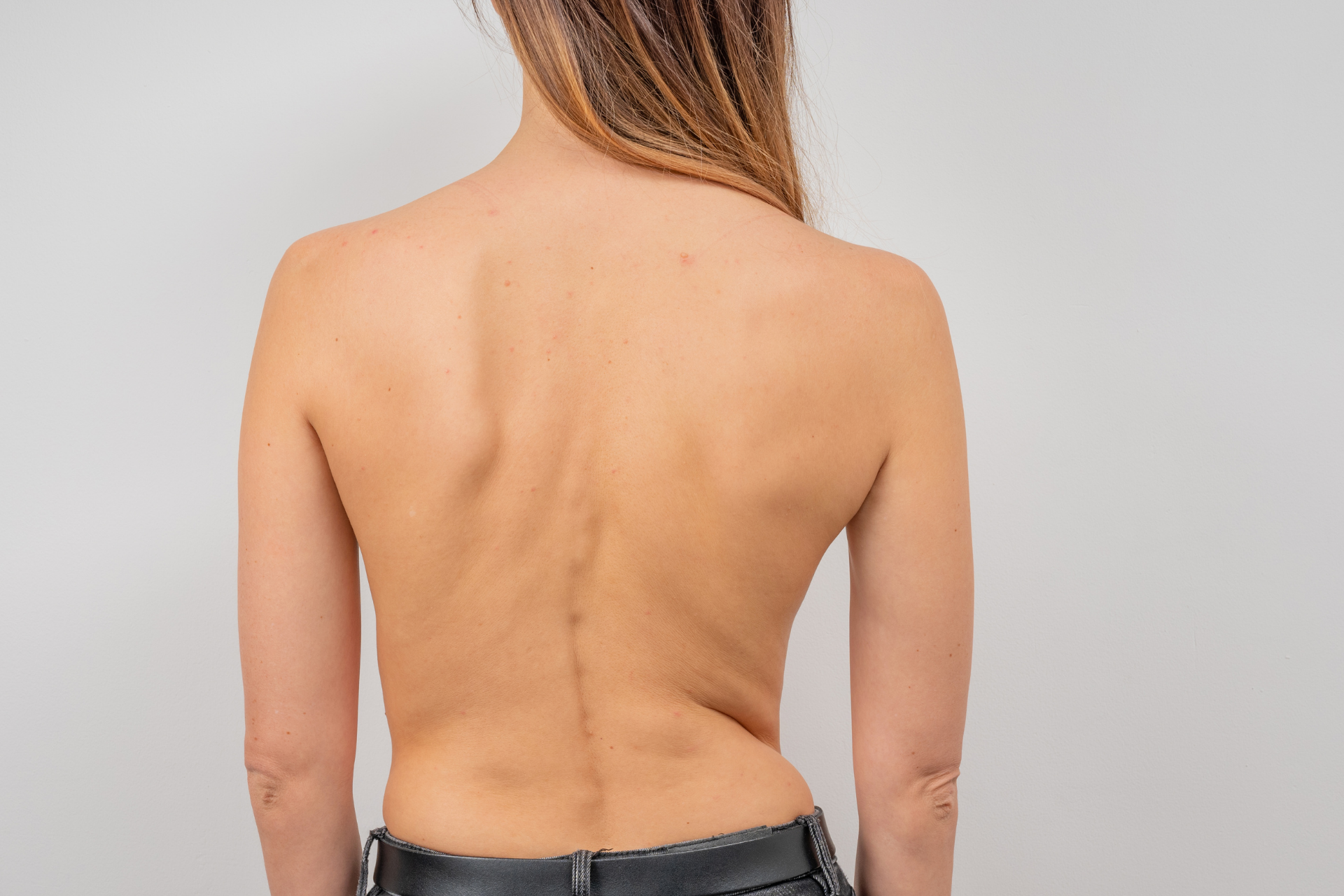
A spine with scoliosis curves 10 degrees or more to the side when viewed from behind. The curve often resembles the letters "S" or "C" and may twist the spine as it bends. Doctors measure this curve using specific angles to assess the severity of the condition. Small curves may cause no symptoms, while larger curves can affect breathing, movement, and daily comfort.
The Difference Between Postural and Structural Scoliosis
Postural scoliosis occurs when muscles temporarily pull the spine out of alignment. Bad habits like carrying a heavy bag on one shoulder can cause this type. The spine itself remains normal, and the curve disappears when the person lies down or corrects their posture. Structural scoliosis involves actual changes to the bones or tissues of the spine. This type does not go away with changes in position. The vertebrae may rotate or become wedge-shaped over time. Structural scoliosis requires medical attention and ongoing monitoring.
Common Types and Classifications
Doctors group scoliosis into several categories based on when it appears and the causes. Each type has different treatment approaches and outcomes.
Idiopathic Scoliosis in Children and Adolescents
Idiopathic means "unknown cause," and this type accounts for about 80% of all scoliosis cases. It most commonly appears during the growth spurt before puberty, between ages 10 and 15. Girls are more likely than boys to have curves that worsen and need treatment. If your child has scoliosis, don't be concerned. The key is being aware of it and getting an early diagnosis so you can begin treatment. When treated early, there's a lot of hope for stopping curve progression and allowing kids to live a perfectly active, normal life.
Congenital and Neuromuscular Variations
Congenital scoliosis develops before birth when the spinal bones form incorrectly. Some vertebrae may be missing, partially formed, or fused together. This type often appears alongside other birth differences affecting the heart or kidneys. Neuromuscular scoliosis results from conditions that affect the nerves and muscles, such as cerebral palsy or muscular dystrophy. The muscles cannot support the spine properly, leading to curves that often progress quickly and become severe.
Degenerative Scoliosis in Adults
Adult-onset scoliosis develops from wear and tear on the spine over time. The discs between vertebrae break down unevenly, and arthritis changes the joints. Scoliosis prevalence increases with age, affecting approximately 12% of adults over 25 and up to 68% of adults over 60.
Recognizing Signs and Symptoms
Early detection of scoliosis makes treatment more effective. Parents, teachers, and individuals should watch for these warning signs.
Visible Physical Asymmetry
The most obvious signs include uneven shoulders or hips. One shoulder blade may stick out more than the other. The waist might appear uneven, with one side looking higher. Clothes may hang differently on each side of the body.
Changes in Gait and Posture
People with scoliosis may lean to one side when standing. Their head might not center directly over the pelvis. Walking patterns may change as the body compensates for a curved spine. Some individuals develop a noticeable limp or shuffle.
Secondary Pain and Physical Discomfort
Children with scoliosis rarely experience pain, but adults often do. Back pain, muscle fatigue, and stiffness are common with adult scoliosis. Severe curves can compress the lungs, making breathing difficult. Leg pain or numbness may occur if the curve pinches nerves. If you notice these symptoms, Doctronic.ai can help you understand what questions to ask your doctor and what steps to take next.
Diagnostic Methods and Measuring Severity
Proper diagnosis requires both physical examination and imaging studies. These tools help doctors track changes over time.
The Adam's Forward Bend Test
This simple screening test catches most cases of scoliosis. The person bends forward at the waist with arms hanging down and knees straight. The examiner looks at the back from behind, watching for a rib hump or uneven muscle prominence on one side. Schools often include this test during routine health screenings.
Radiographic Imaging and the Cobb Angle
X-rays confirm the diagnosis and measure the curve precisely. Doctors use the Cobb angle method to determine severity. They draw lines along the top and bottom vertebrae of the curve and measure the angle where these lines meet. Curves under 10 degrees are considered normal spine variation. Curves between 10 and 25 degrees need monitoring. Curves over 25 degrees in growing children often require bracing. Curves exceeding 45-50 degrees may need surgery.
Treatment Options and Long-Term Management
Treatment depends on curve size, patient age, and growth remaining. The goal is to prevent progression while maintaining quality of life.
Observation and Monitoring Strategies
Small curves in patients who have finished growing often need only periodic checkups. Doctors typically schedule X-rays every 6 to 12 months to ensure the curve stays stable. Growing children with mild curves need closer monitoring since curves can worsen quickly during growth spurts. Doctronic.ai helps patients track their symptoms between appointments and understand what changes warrant contacting their doctor.
Orthopedic Bracing and Physical Therapy
Bracing is most effective for growing children with moderate curves between 25 and 40 degrees. The brace does not straighten the spine but can prevent the curve from worsening. Most braces must be worn 16 to 23 hours daily until growth stops. Physical therapy strengthens the muscles supporting the spine. Specific exercises can improve posture, reduce pain, and increase flexibility. The Schroth method and similar approaches teach patients how to work against their curves through targeted movements.
Surgical Interventions and Spinal Fusion
Surgery becomes necessary when curves exceed 45-50 degrees or continue progressing despite other treatments. Spinal fusion remains the most common procedure. Surgeons straighten the spine using metal rods and screws, then fuse the vertebrae together so they heal as one solid bone. Recovery takes several months, and patients must avoid certain activities during healing. Most people return to normal activities within a year, though the fused section of the spine will not bend.
Frequently Asked Questions
Most scoliosis cannot be prevented because the cause remains unknown. Good posture and exercise do not prevent structural scoliosis, though they support overall spine health.
Curves under 30 degrees typically stay stable in adulthood. Larger curves may progress slowly over time, about 0.5 to 1 degree per year, depending on curve type and bone health. Degenerative scoliosis in older adults can worsen as the spine continues to change.
Most adults with scoliosis can exercise without restrictions. Low-impact activities like swimming, walking, and yoga often help manage symptoms. High-impact sports may require modifications based on curve severity.
Scoliosis does run in families, though no single gene causes it. Having a parent or sibling with scoliosis increases risk, making screening important for family members.
The Bottom Line
Scoliosis of the spine affects millions of Americans but responds well to early detection and proper treatment. Whether monitoring a mild curve or considering surgery for a severe one, understanding your options helps you make informed decisions about care. For questions about spinal conditions or any health concerns, visit Doctronic.ai for AI-guided medical information and connections to licensed clinicians. Over 1 million people have used this service to get answers fast and connect with real doctors when needed.
When most people think of preeclampsia, they immediately associate it with dangerously high blood pressure during pregnancy. However, a lesser-known but equally serious [...]
Panic attacks represent some of the most frightening experiences a person can endure, striking suddenly with overwhelming physical and psychological symptoms. These intense [...]
When sleepless nights become a regular occurrence, over-the-counter sleep aids offer an accessible first line of defense against insomnia. Nearly one-third of adults [...]


 Common Types and Classifications