Tailbone pain (coccydynia) is more common in women, likely related to pelvic anatomy and factors such as pregnancy and childbirth.
Joint hypermobility and excessive coccygeal movement are recognized contributors, especially during prolonged sitting.
Most cases improve with conservative care, including cushions, posture modification, activity changes, and physical therapy.
Prolonged sitting and hard surfaces increase pressure on the coccyx, often worsening symptoms.
Pain persisting beyond 6–8 weeks should be evaluated, particularly to rule out fracture, infection, or other underlying pathology.
Understanding Tailbone Pain While Sitting
That sharp ache radiating from the base of the spine can turn simple activities like driving or desk work into misery. Tailbone pain when sitting happens more often than most people realize, and the causes range from obvious injuries to subtle postural habits that accumulate damage over time. This condition affects women about four to five times more frequently than men due to differences in pelvic anatomy and childbirth-related factors. Understanding why this pain develops is the first step toward finding relief. The coccyx, that small triangular bone at the spine's end, bears significant weight during sitting and can become irritated through various mechanisms. Doctronic.ai helps millions of people identify potential causes of their symptoms before scheduling medical appointments, making it easier to understand what might be happening with persistent discomfort.
Coccydynia and Tailbone Anatomy
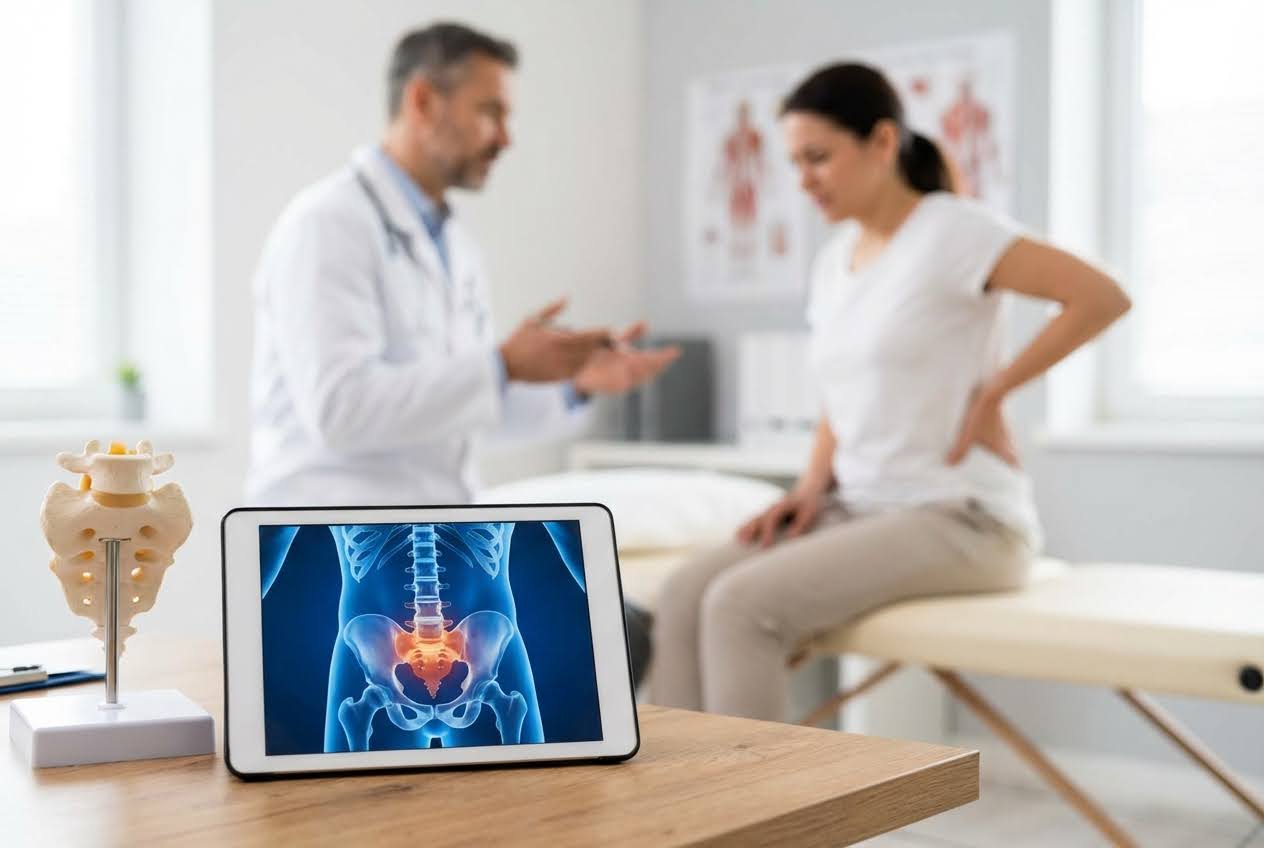
The medical term for tailbone pain is coccydynia, and it describes discomfort centered on the coccyx and surrounding tissues. This small bone consists of three to five fused vertebrae that form the lowest portion of the spinal column.
The Role of the Coccyx in Seated Support
When a person sits, the coccyx works with the ischial tuberosities (sitting bones) to create a tripod of support. This arrangement distributes body weight across the pelvis. Leaning backward shifts more pressure directly onto the tailbone, which explains why slouching in chairs often triggers or worsens pain. The coccyx also serves as an attachment point for muscles, tendons, and ligaments of the pelvic floor. Any dysfunction in these connected structures can refer pain to the tailbone area.
Common Symptoms Beyond Localized Pain
Tailbone pain rarely stays isolated to one spot. People often report aching that spreads into the lower back, hips, or down the legs. Standing up after prolonged sitting typically causes a sharp spike in discomfort. Some individuals experience pain during bowel movements or intimate activities due to the coccyx's proximity to these anatomical structures. Sleep disruption is common when lying on the back becomes uncomfortable.
Primary Causes of Tailbone Pain While Sitting
Multiple factors contribute to coccyx discomfort, and identifying the specific cause guides effective treatment.
Acute Trauma and Impact Injuries
Falls directly onto the buttocks represent the most straightforward cause of tailbone pain. Slipping on ice, falling from a chair, or sports impacts can bruise, dislocate, or fracture the coccyx. These injuries sometimes heal incompletely, leaving chronic sensitivity that flares with sitting pressure. Even minor trauma that seemed insignificant at the time can create lasting problems.
Repetitive Strain and Poor Posture
Not all tailbone damage comes from single events. Cycling, rowing, and other activities involving repetitive friction against the coccyx cause gradual irritation. Joint hypermobility is a common but not the most common cause of tailbone pain, leading to excessive movement of the coccyx during everyday activities. Poor seated posture compounds this problem by directing more weight onto the tailbone than the pelvis can comfortably handle.
Pregnancy and Childbirth-Related Stress
Pregnancy hormones loosen pelvic ligaments to prepare for delivery, sometimes allowing the coccyx to shift beyond its normal range. During childbirth, the baby's passage can push the tailbone backward, stretching or tearing supportive tissues. This explains why women develop coccydynia so much more frequently than men. Some women experience immediate postpartum pain, while others notice symptoms developing months later.
Degenerative Changes and Bone Spurs
Age-related wear affects the coccyx just like other spinal structures. The small joints between coccygeal segments can develop arthritis, and bone spurs may form at attachment points. These changes reduce the tailbone's ability to flex slightly during sitting, creating rigid pressure points that cause pain.
Lifestyle Factors That Exacerbate Discomfort
Daily habits often determine whether minor coccyx problems become chronic conditions.
Sedentary Work and Hard Seating Surfaces
Office workers who sit eight or more hours daily place enormous cumulative stress on their tailbones. Hard chairs without cushioning concentrate pressure on the coccyx rather than distributing it across the buttocks. Wooden benches, metal bleachers, and firm car seats create similar problems. The solution involves breaking up sitting time and using appropriate cushioning.
The Impact of Body Weight on Coccygeal Pressure
Both extremes of body weight affect tailbone pain. Excess weight increases the force pressing down on the coccyx during sitting. Conversely, very lean individuals lack the natural padding that cushions the tailbone. This explains why coccydynia can affect people across all body types, though the mechanisms differ.
Diagnostic Methods for Identifying the Root Cause
Proper diagnosis starts with a detailed history of symptoms, activities, and any trauma. Physical examination includes palpating the coccyx externally and, in some cases, internally via rectal exam to assess mobility and pain response. X-rays taken in both standing and sitting positions reveal changes in coccyx position that indicate hypermobility or dislocation. MRI scans help identify soft tissue problems, tumors, or infections when standard imaging appears normal. Doctronic.ai can help users determine which questions to ask their doctors and which diagnostic steps are appropriate for their symptoms.
Effective Management and Relief Strategies
The good news is that approximately 90% of coccydynia cases respond to conservative treatments without requiring surgery.
Ergonomic Adjustments and Specialized Cushions
Coccyx cutout cushions, shaped like a wedge with a U-shaped opening at the back, remove pressure from the tailbone while supporting the thighs. These cushions should be used consistently at work, in the car, and at home. Adjusting chair height so hips sit slightly higher than knees also reduces coccyx loading.
Physical Therapy and Pelvic Floor Exercises
Tight pelvic floor muscles often contribute to tailbone pain by pulling on coccyx attachments. Physical therapists teach stretching and relaxation techniques for these muscles. Strengthening the core and gluteal muscles helps redistribute sitting forces away from the coccyx. Manual manipulation of the coccyx, performed by trained specialists, can restore normal mobility.
At-Home Care and Pain Mitigation
Ice packs reduce inflammation during acute flares, while heat therapy relaxes surrounding muscles during chronic phases. Over-the-counter anti-inflammatory medications provide temporary relief. Avoiding prolonged sitting and taking standing breaks every 30 minutes prevents pain accumulation throughout the day.
When to Consult a Medical Professional
Pain lasting longer than eight weeks despite home treatment warrants professional evaluation. Warning signs requiring prompt attention include numbness, weakness in the legs, bowel or bladder dysfunction, fever, or unexplained weight loss. These symptoms could indicate serious conditions requiring immediate intervention. Doctronic.ai offers AI-assisted symptom guidance and referral suggestions to help determine whether symptoms need urgent care or can wait for a scheduled appointment.
Frequently Asked Questions
Acute coccydynia from minor injuries usually improves within a few weeks to months. Chronic cases may persist for years without proper treatment. Most people experience significant improvement within three months of starting appropriate conservative care.
Rarely, coccyx pain indicates tumors, infections, or referred pain from other conditions. Persistent pain that worsens over time, occurs with other symptoms, or doesn't respond to standard treatments should be evaluated to rule out serious causes.
Coccygectomy, surgical removal of the coccyx, is reserved for severe cases that fail all conservative treatments over many months. Success rates vary, and the procedure carries risks including infection and wound healing problems.
Side sleeping with a pillow between the knees reduces coccyx pressure. Stomach sleeping should be avoided as it hyperextends the lower spine. Some people find relief using a donut-shaped pillow when lying on their back.
The Bottom Line
Tailbone pain when sitting stems from trauma, poor posture, hypermobility, or degenerative changes, but responds well to conservative treatment in most cases. Early intervention with cushioning, posture correction, and targeted exercises prevents chronic problems from developing. For personalized guidance on managing tailbone discomfort, visit Doctronic.ai for AI-guided symptom assessment and educational resources that provide recommendations based on the latest medical research.
Understanding Emotional Wellness Through DBTEmotions feel overwhelming when they seem to control every decision. Dialectical Behavior Therapy offers practical techniques for [...]
Getting Skin Care Without the Insurance HeadachesThat suspicious mole has been bothering you for weeks. You want answers from a dermatologist, but a quick call to your [...]
Why Ankles Swell After Physical ActivityFinishing a workout with puffy, tight ankles can be alarming. Most people assume something is wrong, but bloated ankles after exercise [...]



 Effective Management and Relief Strategies