Scoliosis bracing works best for growing adolescents with curves between 25 and 40 degrees
Rigid braces like the Boston and Milwaukee styles remain the most common treatment options
Nighttime braces offer an alternative for patients who struggle with full-time wear
Compliance is everything: wearing the brace as prescribed can reduce curve progression by nearly 60%
Modern dynamic bracing systems allow more movement while still providing correction
Emotional support matters as much as physical treatment for adolescent patients
Choosing the Right Brace and Committing to Treatment
A scoliosis diagnosis often brings immediate questions about treatment options. For many families, the conversation quickly turns to bracing. The scoliosis back brace has been a cornerstone of non-surgical treatment for decades, and understanding the different types and their effectiveness can help patients make informed decisions. But not every brace works the same way, and not every patient needs the same approach. The key is matching the right brace type to the individual case, then committing to the treatment plan. Doctronic.ai can help patients understand their specific situation and prepare questions for their orthopedic specialists.
Understanding Scoliosis Bracing and How It Works
The Role of Bracing in Spinal Realignment
Bracing does not straighten a curved spine. That misconception causes real frustration for families expecting dramatic results. Instead, bracing applies external pressure to prevent curves from getting worse during growth spurts. The brace exerts pressure at specific points on the torso, thereby counteracting the natural tendency of scoliotic curves to progress. Think of it as holding the spine in place while the skeleton matures, rather than actively correcting the existing curve.
Candidate Criteria: Cobb Angle and Skeletal Maturity
Not every scoliosis patient needs a brace. Doctors typically recommend bracing for adolescents with a Cobb angle of 25 to 40 degrees who still have significant growth remaining. Curves under 25 degrees usually get monitored with regular X-rays. Curves over 40 degrees often require surgical discussion. Skeletal maturity matters enormously here. A 14-year-old with two years of growth left has much more to gain from bracing than a 17-year-old who has nearly finished growing. Doctors assess bone age through wrist X-rays and other indicators to determine candidacy.
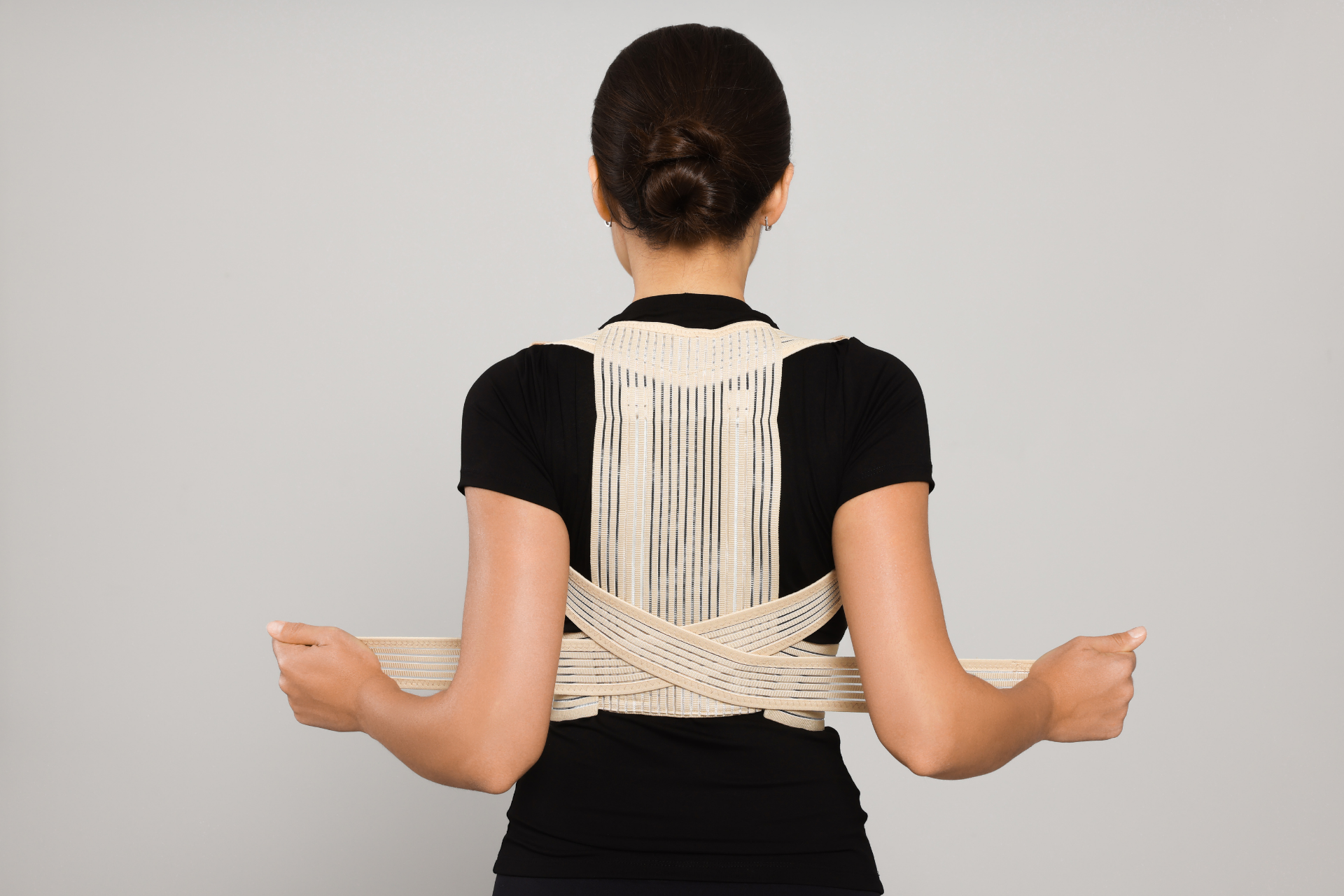
Common Types of Rigid Braces
Boston Brace: The Standard TLSO Approach
The Boston brace dominates the American market for good reason. This thoracolumbosacral orthosis fits from below the chest to the pelvis, providing comprehensive support for the most common curve patterns. Orthotists create each brace from a mold of the patient's body, then add strategic pads that apply corrective pressure. Most Boston braces open in the back, making them easier to put on independently. Patients typically wear them 16 to 23 hours daily, removing them only for bathing and sports.
Milwaukee Brace: Managing High Thoracic Curves
The Milwaukee brace looks more intimidating than its TLSO cousins. A metal superstructure extends from the pelvic section up to a neck ring, making it effective for curves that start high in the thoracic spine. While less commonly prescribed today, the Milwaukee remains the best option for certain curve patterns that other braces cannot adequately address. The visible neck ring creates understandable concerns about appearance, but for high curves, effectiveness must take priority over aesthetics.
Wilmington Brace: Custom-Molded Passive Support
The Wilmington brace takes customization further. Fabricated directly from a cast of the patient's body, this total-contact TLSO fits like a second skin. The tight fit provides passive correction through constant pressure rather than active pushing with pads. Some patients find the Wilmington more comfortable because the pressure is distributed evenly. The custom molding process requires specialized facilities, which can limit availability in some areas.
Nighttime Bracing vs. Full-Time Wear
Charleston Bending Brace
The Charleston brace revolutionized treatment options by introducing the concept of nighttime-only treatment. This brace bends the patient into an overcorrected position while sleeping, applying aggressive correction during the eight to ten hours of rest. Because the patient lies down, the brace can apply greater force without concern about balance. The Charleston works best for single lumbar or thoracolumbar curves. Patients and families often prefer this option because it eliminates daytime wear entirely.
Providence Nighttime Brace
The Providence system takes a similar nighttime approach with different mechanics. Computer-aided design creates a brace that applies direct lateral and rotational forces to the curve. Studies show the Providence can achieve significant in-brace correction, sometimes reducing curves by 70–90% or more while worn. Like the Charleston, it only works while the patient sleeps, making compliance much easier for self-conscious teenagers.
Modern Alternatives: Dynamic and Flexible Bracing
The SpineCor System: Movement-Based Correction
Traditional rigid bracing immobilizes the spine. The SpineCor system challenges that entire philosophy. This flexible brace uses elastic bands attached to a pelvic base and thigh cuffs, allowing normal movement while providing corrective forces. Proponents argue that movement-based correction strengthens postural muscles and creates more natural spinal alignment. The SpineCor fits under clothing more easily than rigid options, addressing adolescent concerns about appearance. Research results remain mixed, with some studies showing comparable outcomes to rigid bracing and others suggesting less effectiveness for larger curves.
Evaluating the Effectiveness of Bracing
Impact of Daily Compliance on Outcomes
Here is the uncomfortable truth about scoliosis bracing: the device only works if the patient wears it. Adolescents who follow prescribed wearing schedules experience a nearly 60% reduction in curve progression compared to non-compliant patients. A brace sitting in the closet helps no one. Modern braces with temperature sensors can track actual wear time, giving doctors objective data rather than relying on patient reports. This technology has revealed that many patients significantly overestimate their compliance.
Long-Term Success Rates in Preventing Surgery
The ultimate goal of bracing is to avoid spinal fusion surgery. Success rates depend heavily on curve magnitude, skeletal maturity at treatment start, and compliance. For appropriate candidates who wear their braces consistently, 65-80% can avoid surgery. The scoliosis back brace market continues to grow because these devices genuinely help when used properly.
Life with a Scoliosis Brace
Physical Comfort and Skin Care Tips
Skin breakdown is the most common physical complaint. The brace creates pressure points that can cause redness, irritation, and even sores if not managed properly. Patients should wear a seamless cotton undershirt beneath the brace to wick moisture and reduce friction. Inspecting skin daily helps catch problems early. Gradual break-in periods allow the body to adjust rather than jumping immediately to full-time wear. Doctronic.ai offers resources to help manage the day-to-day challenges of brace wear.
Psychological Impact and Support for Adolescents
The emotional burden of wearing a brace during adolescence cannot be overstated. Body image concerns, fear of peer judgment, and frustration with physical limitations all affect mental health. Parents should acknowledge these feelings rather than dismissing them. Connecting with other braced patients through support groups provides valuable peer understanding. Some patients benefit from counseling to develop coping strategies. Psychological support is as important as physical treatment for long-term success.
Frequently Asked Questions
Most rigid braces require 16 to 23 hours of daily wear. Nighttime braces like the Charleston and Providence only need eight to ten hours during sleep. Your doctor will specify the exact prescription based on curve severity and brace type.
Bracing rarely helps adult scoliosis because the skeleton has stopped growing. Adult braces focus on pain management rather than curve correction. Surgical options become more relevant for adults with progressive or painful curves.
Most health insurance plans cover medically necessary scoliosis braces. Coverage varies by plan, so families should verify benefits before ordering. Custom braces can cost several thousand dollars without insurance.
Growing adolescents typically need brace adjustments every three to six months. Weight changes and growth spurts affect fit. Regular orthopedic appointments ensure the brace continues providing proper correction.
The Bottom Line
Scoliosis bracing remains a proven method for preventing curve progression in growing adolescents when worn consistently. The right brace type depends on curve location, magnitude, and patient lifestyle. For personalized guidance on scoliosis treatment options, visit Doctronic.ai to access AI-powered medical information and convenient telehealth consultations with licensed physicians.
When most people think of preeclampsia, they immediately associate it with dangerously high blood pressure during pregnancy. However, a lesser-known but equally serious [...]
Panic attacks represent some of the most frightening experiences a person can endure, striking suddenly with overwhelming physical and psychological symptoms. These intense [...]
When sleepless nights become a regular occurrence, over-the-counter sleep aids offer an accessible first line of defense against insomnia. Nearly one-third of adults [...]


 Common Types of Rigid Braces