Sacral (sacroiliac joint) pain is relatively common, accounting for an estimated 15%–25% of mechanical low back pain cases.
The sacroiliac (SI) joint connects the spine to the pelvis, and dysfunction can result from injury, degeneration, pregnancy-related changes, or inflammatory conditions.
Symptoms often include localized low back or buttock pain, sometimes radiating into the legs, along with stiffness or reduced mobility.
Most cases improve with conservative care, including activity modification, physical therapy, and targeted exercises; injections or surgery are reserved for refractory cases.
Accurate diagnosis, often using a combination of physical exam maneuvers and imaging when needed, improves treatment outcomes.
Treatment Options and When to Seek Medical Care
Pain at the base of the spine can stop a person in their tracks. The sacrum sits right where the spine meets the pelvis, and when something goes wrong there, simple activities like sitting, standing, or walking become difficult. Sacroiliac joint syndrome is a source of pain in about 15% to 25% of people with mechanical low back pain, yet many people have never heard of it. Understanding the causes, symptoms, and treatment options helps individuals receive appropriate care more quickly. Doctronic.ai provides initial guidance on sacral pain symptoms before scheduling a doctor visit.
Understanding Sacrum Pain and Anatomy
The Role of the Sacrum in the Spine
The sacrum is a triangular bone at the bottom of the spine. It connects to the hip bones on each side through the sacroiliac joints. These joints carry the weight of the upper body and transfer it to the legs. The sacrum also protects nerves that travel to the legs, bladder, and reproductive organs. When this area works well, people do not notice it. When problems develop, every movement can hurt.
Differentiating Sacral Pain from Lower Back Pain
Many people confuse sacral pain with general lower back pain, but they are not the same. Sacral pain sits lower, right above the tailbone and near the buttocks. Lower back pain typically occurs higher up, around the lumbar vertebrae. Sacroiliitis can cause pain and stiffness in the buttocks or lower back, and the pain might go down one or both legs. This radiating pattern helps doctors tell the difference.
Common Causes of Sacral Discomfort
Sacroiliac (SI) Joint Dysfunction
SI joint dysfunction is the most common cause of sacral pain. The joint can become too loose or too stiff, both of which cause problems. Too much movement creates instability. Too little movement creates stiffness and grinding. Causes for sacroiliac joint issues include injury, arthritis, and pregnancy.
Traumatic Injuries and Stress Fractures
Falls, car accidents, and sports injuries can damage the sacrum directly. Stress fractures develop over time from repeated strain, common in runners and athletes. These fractures may not show up on regular X-rays right away, making them tricky to diagnose.
Pregnancy and Hormonal Changes
Pregnancy puts extra stress on the sacroiliac joints. Hormones released during pregnancy loosen ligaments to prepare for childbirth. This loosening can make the SI joints unstable and painful. Many women experience sacral pain during the third trimester or after delivery.
Inflammatory Conditions like Ankylosing Spondylitis
Ankylosing spondylitis is an inflammatory disease that often starts in the sacroiliac joints. It causes the joints to fuse over time, leading to stiffness and chronic pain. People with this condition typically notice symptoms before age 45, and the pain improves with movement rather than rest.
Identifying Key Symptoms and Warning Signs
Localized Tenderness and Radiating Pain
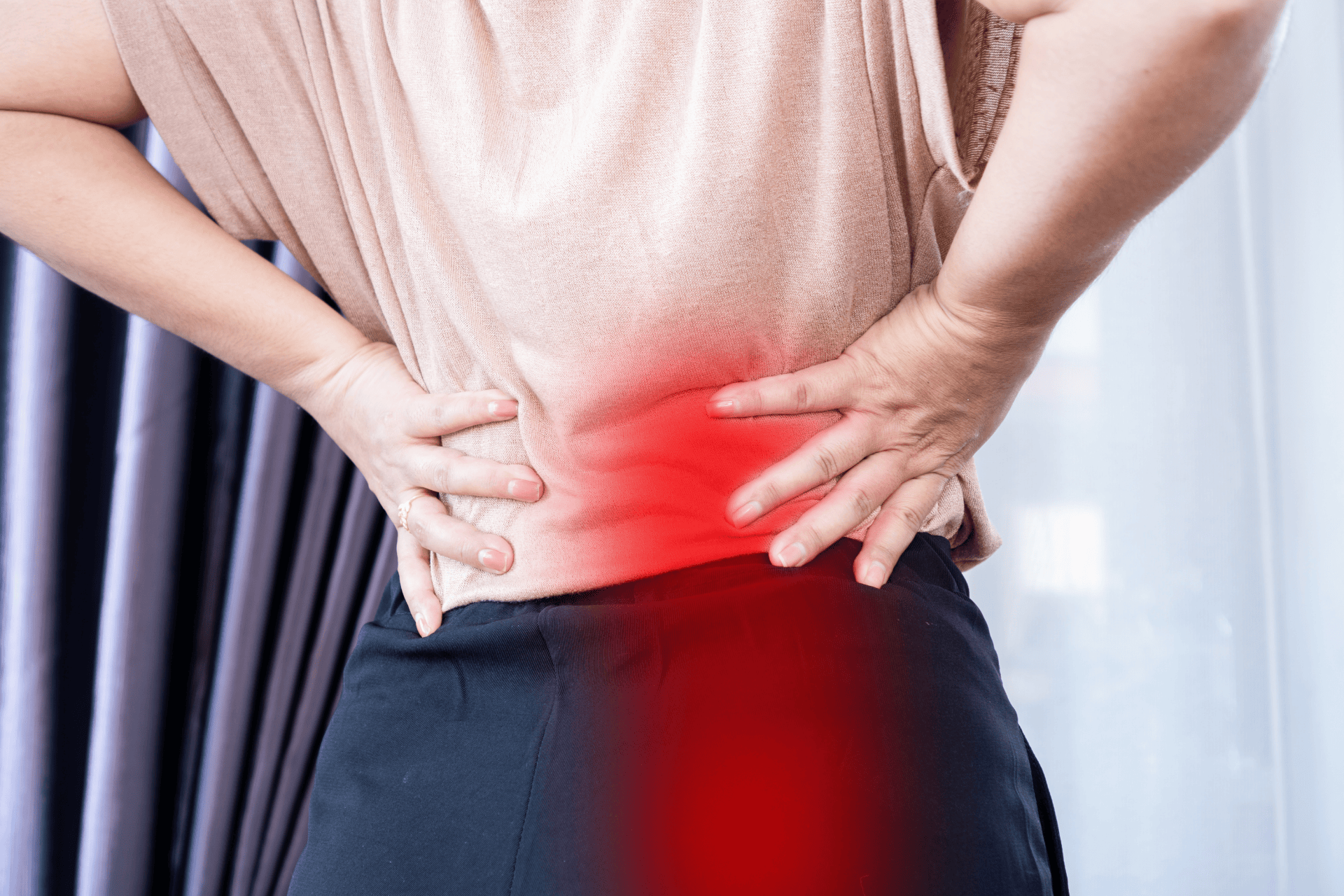
The main symptom is pain right over the sacrum or slightly to one side. Pressing on the area makes it hurt more. The pain often spreads into the buttocks, hips, or down the back of the thigh. Some people feel it in the groin. Sitting for long periods usually makes it worse.
Impact on Mobility and Range of Motion
Sacral problems limit how well a person can move. Bending forward, twisting, or climbing stairs may become painful. Getting out of a chair or car can be difficult. Some people develop a limp to avoid putting weight on the painful side.
When to Seek Immediate Medical Attention
Certain symptoms require urgent care. These include sudden weakness in the legs, loss of bladder or bowel control, numbness in the groin area, or fever with back pain. These signs could point to serious nerve problems or infection. Doctronic.ai can help users understand if their symptoms need immediate attention or can wait for a scheduled appointment.
Diagnostic Procedures for Sacral Issues
Physical Examination and Provocation Tests
Doctors use specific tests to check the sacroiliac joints. They press on specific sites and move the legs in different ways to determine what causes pain. The FABER test, where the leg is bent and rotated outward, is one common method. If several tests cause pain in the same area, SI joint dysfunction is likely.
Imaging: X-rays, MRIs, and CT Scans
X-rays show bone pathology such as fractures or arthritis. MRIs reveal soft tissue damage, inflammation, and nerve issues. CT scans give detailed bone images. Sometimes doctors inject numbing medicine into the joint. If the pain goes away, it confirms the SI joint as the source.
Effective Treatment and Management Strategies
At-Home Care and Lifestyle Modifications
Most sacral pain improves with simple measures. Ice helps reduce inflammation in the first few days. Heat relaxes tight muscles after the initial swelling goes down. Over-the-counter pain relievers like ibuprofen can help. Avoiding activities that make pain worse gives the area time to heal. Sleeping with a pillow between the knees reduces stress on the joints.
Physical Therapy and Corrective Exercises
Physical therapy is often the most effective treatment. Therapists teach exercises to strengthen the muscles around the pelvis and improve joint stability. Core strengthening is key because weak abdominal muscles put more strain on the sacrum. Stretching tight hip flexors and hamstrings also helps. Most people see improvement within six to eight weeks of consistent therapy.
Medical Interventions and Injections
When home care and therapy are insufficient, physicians may recommend injections. Corticosteroid injections reduce inflammation directly in the joint. The global sacroiliac joint fusion and radiofrequency ablation market was estimated at USD 520.8 million in 2024, indicating the widespread adoption of these treatments. Radiofrequency ablation uses heat to disable pain-causing nerves.
Surgical Options for Chronic Instability
Surgery is a last resort for people who do not respond to other treatments. SI joint fusion permanently connects the sacrum to the hip bone, stopping painful movement. Recovery takes several months, but most patients report significant pain relief.
Preventive Measures for Long-Term Sacral Health
Maintaining sacral health requires attention to posture, strength, and movement habits. Regular exercise that includes core strengthening protects the lower back and pelvis. Maintaining a healthy weight reduces stress on the joints. Using proper lifting techniques prevents injury. People who sit for long periods should take breaks to stand and stretch. Wearing supportive shoes helps keep the pelvis aligned. Doctronic.ai provides ongoing health guidance that can help track symptoms and suggest preventive strategies.
Frequently Asked Questions
Sacrum pain typically feels like a deep ache at the base of the spine, near the buttocks. It may radiate into the hips, groin, or down the back of the thigh. Sitting often makes it worse.
Acute SI joint pain usually improves within a few weeks with proper treatment. Chronic cases may take several months of physical therapy. Some people need ongoing management.
Mild sacral pain from muscle strain or minor injury often heals with rest and home care within two to four weeks. More serious conditions like SI joint dysfunction usually need treatment.
Gentle walking can help sacral pain by promoting blood flow and preventing stiffness. Long walks or walking on uneven surfaces may exacerbate pain. Short, frequent walks on flat ground work best.
See a doctor if pain lasts more than two weeks, interferes with daily activities, or comes with numbness, weakness, or bladder problems. These symptoms suggest a more serious condition.
The Bottom Line
Sacral pain is common and treatable when properly diagnosed. Most people improve with physical therapy, lifestyle changes, and sometimes medical interventions. Getting help early leads to faster recovery and prevents chronic problems.
Understanding Emotional Wellness Through DBTEmotions feel overwhelming when they seem to control every decision. Dialectical Behavior Therapy offers practical techniques for [...]
Getting Skin Care Without the Insurance HeadachesThat suspicious mole has been bothering you for weeks. You want answers from a dermatologist, but a quick call to your [...]
Why Ankles Swell After Physical ActivityFinishing a workout with puffy, tight ankles can be alarming. Most people assume something is wrong, but bloated ankles after exercise [...]



 Diagnostic Procedures for Sacral Issues