Pulled Muscle in the Lower Back: Symptoms and Healing
Key Takeaways
A pulled muscle in the lower back typically heals within four to six weeks, with around 80–90% of patients making a full recovery
Most lower back pain stems from non-specific mechanical causes, not serious structural damage
Ice therapy works best for the first 48-72 hours, then switch to heat for muscle relaxation
Red flags like numbness, weakness, or bladder changes require immediate medical attention
Core strengthening and proper posture are the best defenses against future strains
Recognizing the Signs of a Pulled Lower Back Muscle
You felt it the moment it happened: that sharp, sudden catch in your lower back while lifting a box or twisting too quickly. Now every movement reminds you of something that went wrong. A pulled muscle in the lower back affects hundreds of millions of people worldwide. Low back pain impacted 619 million people globally in 2020, with projections estimating 843 million by 2050. The good news is that understanding the symptoms and healing process puts you in control of your recovery. Most people return to normal activities more quickly than expected when they know the appropriate steps to take.
Understanding Lower Back Muscle Strains
The lower back contains layers of muscles that support the spine during every movement. When these muscle fibers stretch beyond their limits or tear, the result is a strain. This injury ranges from mild overstretching to complete muscle tears, depending on the magnitude of force.
Common Causes and Risk Factors
Poor lifting technique causes most lower back strains. Bending at the waist rather than at the knees places considerable stress on the back muscles. Sudden twisting motions, especially while carrying weight, rank as the second most common cause. Certain factors increase strain risk significantly:
Weak core muscles that fail to support the spine
Prolonged sitting that tightens the hip flexors
Previous back injuries that weakened muscle tissue
Excess body weight that strains the lumbar region
Poor sleep positions that stress muscles overnight
Approximately 85–90% of low back pain cases arise from non-specific mechanical causes, such as muscle strains, rather than serious structural problems.
Difference Between Muscle Strain and Disc Injury
Muscle strains and disc injuries feel different. A strained muscle produces localized pain that worsens with movement but improves with rest. The pain stays in the back without radiating down the legs. Disc injuries often send shooting pain, numbness, or tingling into the buttocks and legs. This occurs because bulging disc material compresses nerve roots. If you experience leg symptoms, consulting a healthcare provider through Doctronic.ai can help determine whether your pain signals something beyond a simple muscle strain.
Identifying Symptoms of a Pulled Back Muscle
Recognizing strain symptoms helps you respond appropriately and know when to seek professional guidance.
Localized Pain and Tenderness
The hallmark of a pulled back muscle is pain confined to one area. Pressing on the injured spot increases discomfort. The pain typically sits to one side of the spine rather than directly over it. Movement in certain directions exacerbates the pain. Bending forward, twisting, or standing up from a seated position often triggers sharp discomfort. Rest usually provides relief, which distinguishes muscle strains from more serious conditions.
Muscle Spasms and Stiffness
Spasms are the body's protective response to injury. The muscles surrounding the damaged tissue contract involuntarily to prevent further harm. These spasms feel like sudden, intense tightening that can take your breath away. Morning stiffness is common with back strains. Muscles tighten overnight and require gentle movement to be loosened. This stiffness typically improves within 30 minutes of waking and moving around.
Red Flags Requiring Medical Attention
Some symptoms indicate problems beyond a simple muscle strain. Seek immediate care if you experience numbness or weakness in your legs, loss of bladder or bowel control, pain that wakes you from sleep, or fever accompanying back pain. These signs suggest nerve involvement or infection that requires professional evaluation. Doctronic.ai can help assess your symptoms and determine whether you need urgent care.
Immediate Self-Care and First Aid
The first 72 hours after injury determine how quickly you heal. Taking appropriate steps immediately reduces inflammation and prevents further damage.
The R.I.C.E. Method for Back Injuries
Rest means avoiding activities that worsen pain, not complete bed rest. Lying down for more than a day or two actually slows healing by weakening muscles. Ice reduces swelling when applied for 15-20 minutes every few hours during the first two days. Compression works differently for the back than for the limbs, so focus on supportive positioning instead. Elevation involves lying with knees bent and feet flat, which takes pressure off the lumbar spine.
Alternating Heat and Ice Therapy
Ice is most effective during the first 48-72 hours, when inflammation peaks. After this initial period, heat helps more by relaxing tight muscles and improving blood flow to the injured area. Non-pharmacological therapies such as heat and massage for acute low back pain. Apply heat for 15-20 minutes at a time, using a heating pad on low or warm towels.
Over-the-Counter Pain Management
Nonsteroidal anti-inflammatory drugs (NSAIDs) such as ibuprofen and naproxen can reduce both pain and inflammation when used as directed. Acetaminophen helps with pain but does not reduce inflammation. Always follow dosing instructions and consult a healthcare provider if you have kidney, liver, or gastrointestinal conditions.
The Healing Timeline and Recovery Process
Understanding what occurs inside the body during healing helps set realistic expectations and guides recovery decisions.
Stages of Tissue Repair
Healing occurs in three phases. The inflammatory phase lasts 2-3 days and is characterized by increased blood flow and swelling. The repair phase spans days 3-21, during which new tissue forms. The remodeling phase continues for weeks as the new tissue strengthens. Most patients with lumbar strain recover substantially within 4–6 weeks, though complete recovery may take longer for severe cases. This timeline assumes proper self-care and gradual return to activity.
Gentle Stretching and Mobility Exercises
Begin gentle movement as soon as pain allows. Knee-to-chest stretches, pelvic tilts, and cat-cow poses help restore mobility without stressing injured tissue. Walking for 10-15 minutes several times daily promotes healing better than bed rest.
Preventing Future Lower Back Strains
Once healed, preventing recurrence becomes the priority. The muscles that strained once remain vulnerable without proper strengthening.
Ergonomic Adjustments and Posture
Sitting posture matters enormously. Keep feet flat on the floor, knees at hip level, and lower back supported. Standing desks or regular movement breaks prevent the muscle tightening that leads to strains. Lifting technique requires bending at the knees, keeping objects close to the body, and avoiding twisting while carrying weight. These simple changes prevent most lifting-related strains.
Core Strengthening and Flexibility Training
Strong core muscles protect the spine during daily activities. Planks, bridges, and bird-dogs build the deep stabilizing muscles that support the lower back. Aim for core exercises three times weekly. Hip flexibility directly affects lower back health. Tight hip flexors pull the pelvis forward, straining lumbar muscles. Daily hip stretches take five minutes and significantly reduce strain risk.
Frequently Asked Questions
Most pulled back muscles heal within four to six weeks with proper care. Mild strains may improve within two weeks, while severe tears can take up to eight weeks. Consistent self-care speeds recovery significantly.
Use ice for the first 48-72 hours to reduce inflammation, then switch to heat. Heat relaxes tight muscles and improves blood flow during the healing phase.
Seek medical care if you have numbness, weakness, or tingling in your legs, loss of bladder control, fever with back pain, or pain that does not improve after two weeks of self-care.
Gentle movement helps healing, but avoid activities that cause pain. Walking and light stretching are safe for most people. Avoid heavy lifting, twisting, and high-impact activities until fully healed.
The Bottom Line
A pulled muscle in the lower back generally heals with proper self-care within four to six weeks. Focus on ice initially, then heat, gentle movement, and gradual return to activity. For personalized guidance on your symptoms and healing timeline, Doctronic.ai offers AI-assisted health guidance to help you understand your condition and decide on next steps.
Idiopathic intracranial hypertension (IIH), formerly known as pseudotumor cerebri, is a neurological condition where pressure inside the skull increases without any [...]
When anxiety hits suddenly, it can feel overwhelming and out of control. Your heart races, your breathing becomes shallow, and your mind spirals with worried thoughts. The [...]
Sleep apnea affects millions worldwide, causing interrupted breathing during sleep and leading to serious health complications when untreated. As families often notice [...]


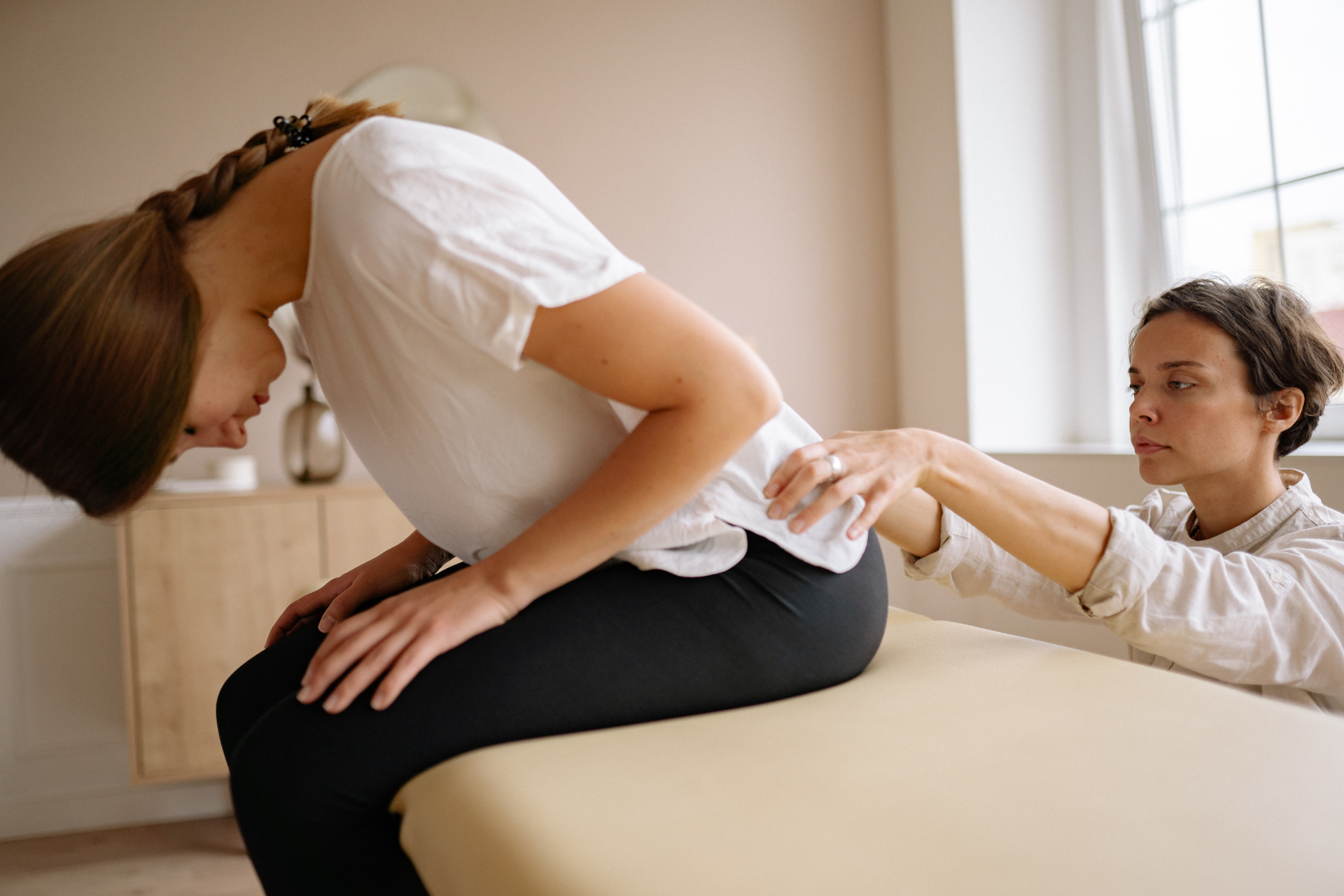 Identifying Symptoms of a Pulled Back Muscle