Back pain costs the US economy roughly $190 billion annually and accounts for up to 25% of work-related disability claims
Over 70% of adults experience musculoskeletal issues due to poor posture habits
Movement matters more than perfect posture: staying in any position too long causes problems
Forward head posture, rounded shoulders, and excessive lumbar curve are the most common postural deviations
Core strengthening and ergonomic adjustments provide lasting relief when combined consistently
What Really Works to Improve Spinal Alignment
Your spine is not designed to sit in a chair for eight hours. Yet that is exactly what millions of people ask it to do every single day. The relationship between poor posture and back pain is one of the most misunderstood health topics, costing employers in lost productivity and medical treatment per 100 employees annually. Understanding how spinal alignment affects your body is the first step toward relief. Doctronic.ai helps people understand these connections through AI-powered health consultations that provide personalized guidance. This article explains how posture creates pain, what modern habits make it worse, and what actually works to fix it.
The Mechanics of Spinal Alignment and Back Health
The Natural Curvature of the Spine
The spine has three natural curves: cervical (neck), thoracic (mid-back), and lumbar (lower back). These curves work together like springs to absorb shock and evenly distribute weight. When these curves maintain their proper shape, the body moves efficiently without straining muscles or compressing joints.
How Poor Posture Disrupts Weight Distribution
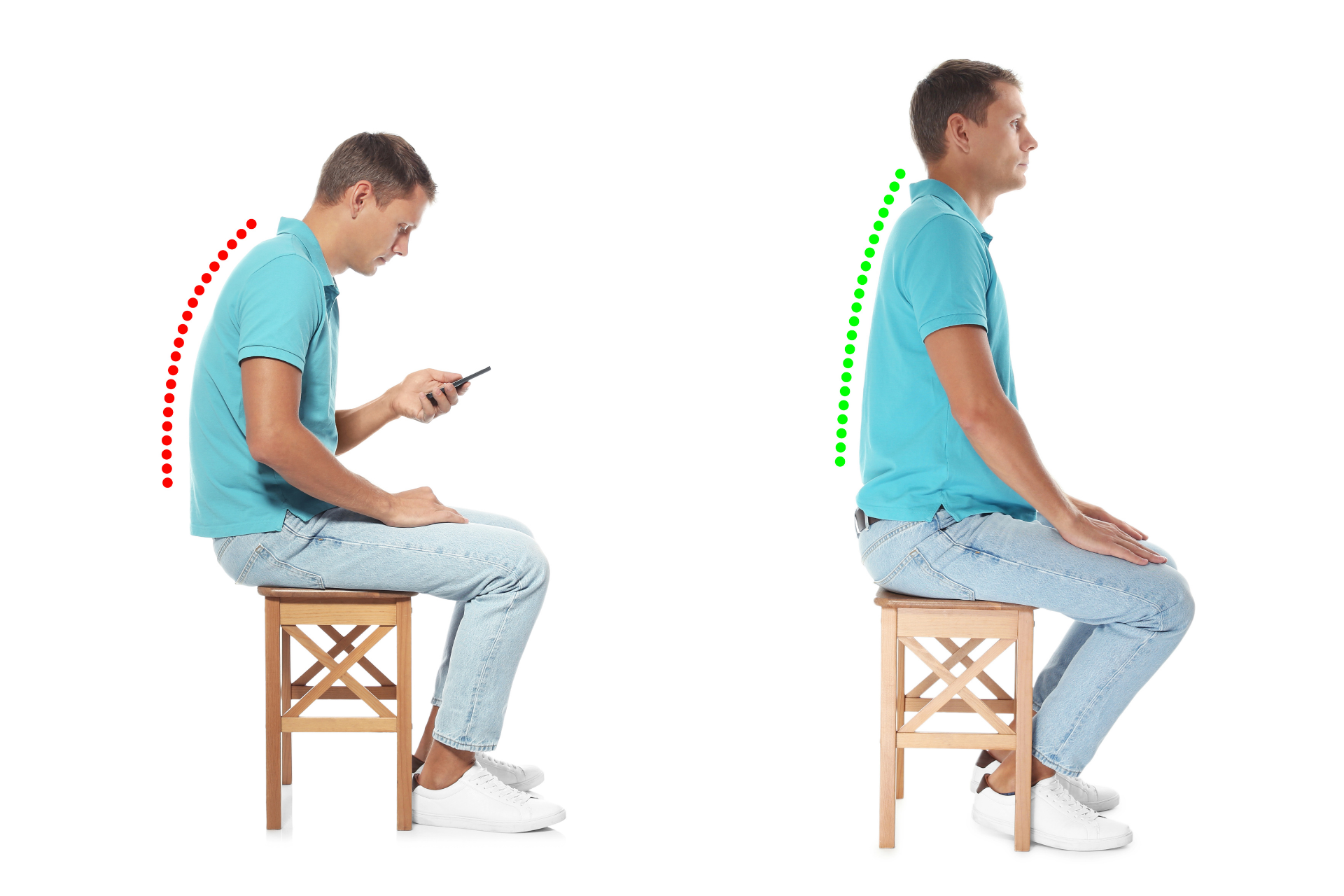
When you slouch or hold awkward positions, the spine loses its natural curves. This forces certain muscles to work overtime while others become weak and inactive. The result is uneven pressure on spinal discs, joints, and surrounding tissues. Back pain is one of the leading causes of work-related disability worldwide.
Common Postural Deviations and Their Symptoms
Forward Head Posture and Neck Strain
Forward head posture happens when the head juts forward past the shoulders. For every inch the head moves forward, it adds about 10 pounds of perceived weight to the neck muscles. This creates chronic tension headaches, neck stiffness, and upper back pain that radiates between the shoulder blades.
Kyphosis and Rounded Shoulders
Rounded shoulders and an exaggerated upper back curve often develop from hunching over screens. The chest muscles shorten while the upper back muscles stretch and weaken. This imbalance creates a hunched appearance and makes it difficult to take deep breaths.
Lumbar Lordosis and Lower Back Compression
An excessive inward curve of the lower back puts tremendous pressure on the lumbar vertebrae. This often results from weak abdominal muscles and tight hip flexors. The lower back bears the brunt of this misalignment, leading to chronic aching and stiffness.
The Physiological Impact of Chronic Slouching
Muscle Imbalances and Kinetic Chain Dysfunction
Poor posture creates a domino effect throughout the body. Tight hip flexors pull the pelvis forward. Weak glutes fail to support the lower back. Overactive neck muscles compensate for weak deep cervical flexors. These imbalances spread up and down the kinetic chain, affecting everything from ankle mobility to shoulder function.
Pressure on Spinal Discs and Nerves
Sustained poor posture unevenly compresses spinal discs. Over time, this can cause disc bulging or herniation, which may press on nearby nerves. The symptoms range from localized pain to radiating numbness and tingling in the arms or legs.
Reduced Lung Capacity and Circulation
A collapsed chest position restricts the diaphragm and reduces lung capacity by up to 15–20%. This means less oxygen reaches the muscles and brain, causing fatigue and reduced concentration. Poor circulation from prolonged sitting compounds these effects.
Modern Lifestyle Factors Contributing to Back Pain
The Rise of 'Tech Neck' and Digital Fatigue
Smartphones and tablets have created an epidemic of neck problems. People spend hours daily looking down at screens, placing enormous strain on cervical structures. Over 70% of adults experience musculoskeletal issues due to poor posture. Neck stiffness and lower back pain are the most common outcomes of prolonged slouching and screen-based lifestyles.
Sedentary Work Environments and Ergonomics
Nearly one in four employees reports experiencing low back pain from desk work. Most office setups encourage poor posture: monitors too low, chairs without lumbar support, and keyboards positioned incorrectly. The body adapts to these positions, and that adaptation leads to dysfunction over time.
Corrective Strategies for Lasting Relief
Strengthening the Core and Posterior Chain
Strong core muscles act as a natural back brace. Focus on exercises that target the deep stabilizers: planks, dead bugs, and bird dogs are more effective than crunches. The posterior chain, including glutes, hamstrings, and back extensors, needs equal attention. Doctronic.ai can help identify which specific exercises match your symptoms and fitness level. Key exercises include:
Glute bridges for hip extension strength
Rows for upper back activation
Planks for core stability
Hip flexor stretches to release tight anterior muscles
Flexibility Drills to Open Tight Muscles
Tight muscles pull the body out of alignment. Hip flexors, chest muscles, and hamstrings are the usual culprits. Daily stretching of these areas takes only 10-15 minutes but produces significant results within weeks.
Ergonomic Adjustments for Home and Office
Position your monitor at eye level so you look straight ahead. Keep your keyboard at elbow height with wrists neutral. Use a chair that supports the natural curve of your lower back. Stand up and move every 30-45 minutes: this matters more than any single ergonomic adjustment. "Poor posture" does not directly lead to back pain. The real issue is how long you stay in one position. Movement is more important than maintaining an "ideal" posture.
Maintaining Long-Term Spinal Integrity
Consistency beats intensity when it comes to spinal health. Small daily habits compound over time: a few minutes of stretching, brief movement breaks, and awareness of your position throughout the day. Gradually building strength better protects against future problems than occasional intense workouts. Regular check-ins with healthcare providers help catch problems early. Doctronic.ai offers affordable AI-assisted telehealth consultations to help you track symptoms and determine when professional intervention is needed. Their telehealth video visits with licensed doctors are available nationwide, making expert guidance accessible when you need it.
Frequently Asked Questions
Prolonged poor posture can lead to structural changes over time, including disc degeneration and joint wear. Most damage is reversible with proper intervention, but early action produces better outcomes.
Most people notice improvements within 2-4 weeks of consistent effort. Significant postural changes typically require 3-6 months of regular strengthening and stretching exercises.
Standing all day creates its own problems, including lower back compression and leg fatigue. The best approach combines sitting, standing, and movement throughout the day.
Braces can provide temporary relief but may weaken postural muscles over time. They work best as short-term reminders while building natural strength through exercise.
Seek medical attention if you experience numbness, weakness, pain that radiates down your legs, or symptoms that persist beyond two weeks despite rest and home treatment.
The Bottom Line
Poor posture contributes to back pain by disrupting spinal curves, overworking some muscles, weakening others, and increasing disc and nerve pressure over time. The most effective solution isn’t “perfect posture,” but frequent movement, ergonomic adjustments, and consistent core and upper-back strengthening. If pain persists, radiates, or includes numbness, Doctronic.ai can help you assess symptoms and next steps.
When most people think of preeclampsia, they immediately associate it with dangerously high blood pressure during pregnancy. However, a lesser-known but equally serious [...]
Panic attacks represent some of the most frightening experiences a person can endure, striking suddenly with overwhelming physical and psychological symptoms. These intense [...]
When sleepless nights become a regular occurrence, over-the-counter sleep aids offer an accessible first line of defense against insomnia. Nearly one-third of adults [...]


 Common Postural Deviations and Their Symptoms