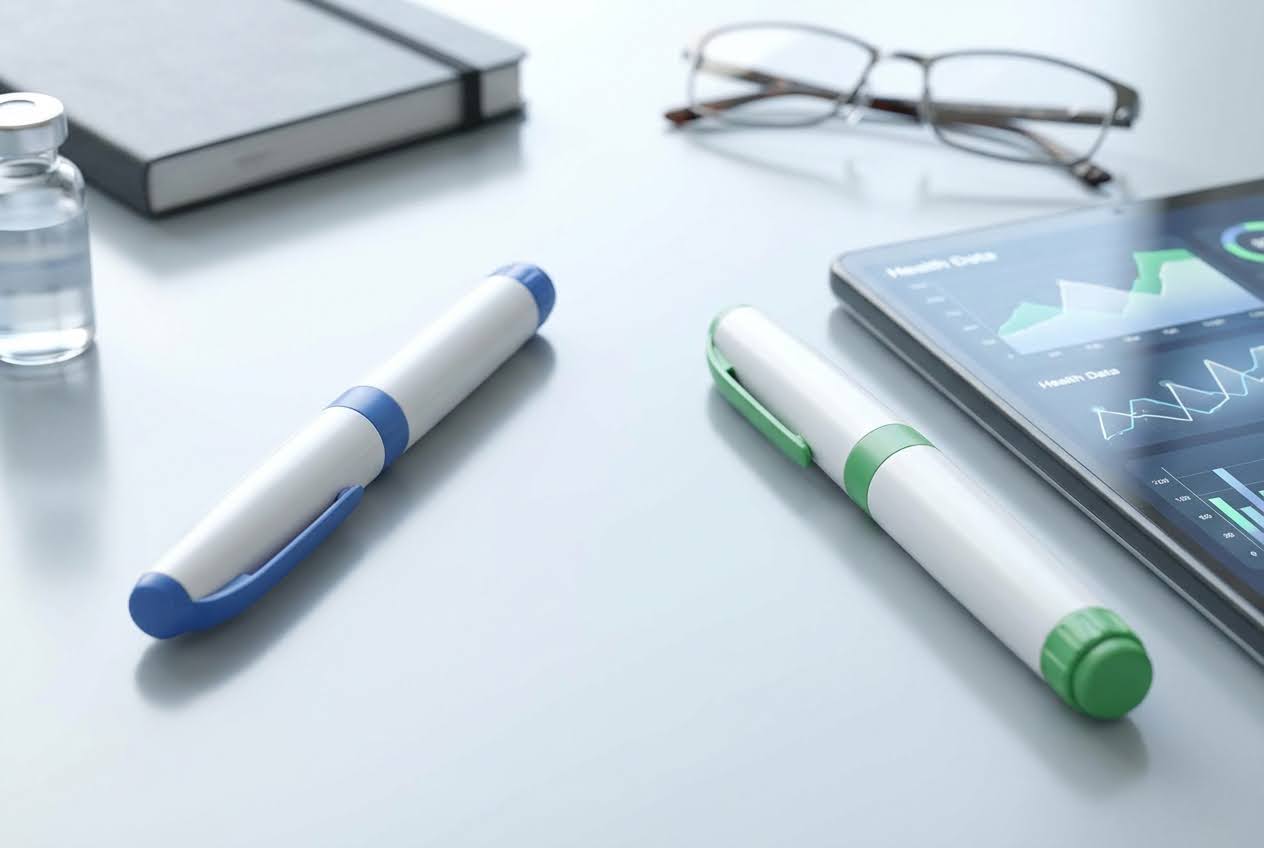
Ozempic uses semaglutide to target one hormone receptor, while Zepbound uses tirzepatide to activate two receptors for potentially greater effects
Ozempic is FDA-approved for type 2 diabetes management, whereas Zepbound is specifically approved for chronic weight management and moderate to severe obstructive sleep apnea in adults with obesity
Clinical trials show Zepbound users may lose more body weight on average compared to Ozempic users
Both medications require once-weekly injections with a gradual dose increase
Side effects are similar for both drugs, with nausea and digestive issues being the most common
Insurance coverage differs significantly based on whether the prescription is for diabetes or weight loss
Ozempic vs. Zepbound: What Patients Should Know
Choosing between Ozempic and Zepbound can feel overwhelming. Both medications have gained massive attention for helping people lose weight and manage health conditions. But these drugs work differently, treat different conditions, and come with unique considerations. Understanding the key differences between Ozempic and Zepbound helps patients and doctors make smarter choices. This comparison breaks down everything from how each drug works in the body to what they cost at the pharmacy. For personalized guidance, Doctronic.ai offers free AI doctor visits to help patients understand their options before talking with their healthcare provider.
Understanding the Fundamentals: GLP-1 vs. Dual Agonists
How Ozempic (Semaglutide) Mimics Natural Hormones
Ozempic contains semaglutide, which copies a hormone called GLP-1 that the body makes naturally. When someone eats food, GLP-1 tells the brain they feel full. It also helps the pancreas release insulin at the right time. Semaglutide performs the same function but remains in the body much longer than natural GLP-1. This single-target approach has proven effective for millions of patients. The medication slows down how fast food leaves the stomach, which helps people feel satisfied with smaller portions.
The Dual-Action Mechanism of Zepbound (Tirzepatide)
Zepbound takes a different approach by activating two hormone receptors instead of one. The active ingredient tirzepatide targets both GLP-1 and GIP receptors. GIP is another hormone that affects appetite, digestion, and how the body processes sugar.
Activates GLP-1 receptors for appetite control
Activates GIP receptors for additional metabolic benefits
Reduces hunger through multiple pathways
Delays gastric emptying to increase fullness
This dual-action design may explain why some studies show stronger results with tirzepatide compared to single-receptor medications.
FDA-Approved Uses and Primary Indications
Ozempic's Role in Type 2 Diabetes Management
The FDA approved Ozempic for the treatment of type 2 diabetes in adults. Doctors prescribe it to help control blood sugar levels alongside diet and exercise. While many people lose weight on Ozempic, weight loss is not its officially approved use. Patients using Ozempic for diabetes often see improvements in their A1C numbers within months. The medication also reduces the risk of major heart problems in people with type 2 diabetes and known heart disease.
Zepbound's Specific Approval for Chronic Weight Management
Zepbound received FDA approval for chronic weight management in adults with obesity or those who are overweight with related health problems. In December 2024, the FDA also approved tirzepatide (Zepbound) for the treatment of moderate to severe obstructive sleep apnea in adults with obesity. The sleep apnea benefit comes from weight loss, reducing fat around the airway, not from any direct effect on sleep.
Approved for adults with a BMI of 30 or higher
Approved for adults with a BMI of 27 or higher who have weight-related health conditions
Approved for obstructive sleep apnea linked to obesity
Weight Loss Efficacy and Clinical Trial Results
Comparing Average Percentage of Body Weight Lost
Clinical trials show meaningful differences between these medications. Zepbound users in studies lost an average of about 15–22% of their body weight at the highest doses. Ozempic users typically lost around 6–10% of their starting weight. These numbers represent averages across large groups of people. Individual results vary based on starting weight, diet, exercise habits, and other factors. Patients can discuss realistic expectations for their situation using Doctronic.ai.
Timeframes for Achieving Visible Results
Most patients notice changes within the first few months of treatment. Weight loss tends to be gradual and steady rather than sudden. Ozempic users often see the most significant weight loss during months three through six. Zepbound users may experience faster initial results due to the dual-receptor mechanism. Both medications require patience. The body needs time to adjust, and rushing the dose increase can lead to worse side effects without better results.
Dosage, Administration, and Weekly Schedules
Ozempic Titration and Maintenance Doses
Ozempic starts at a low dose of 0.25 mg weekly for the first four weeks. This allows the body to adjust and reduces side effects. The dose then increases to 0.5 mg weekly. Doctors may raise it further to 1 mg or 2 mg weekly based on how well the patient responds.
Week 1-4: 0.25 mg weekly
Week 5 and beyond: 0.5 mg weekly minimum
Maximum dose: 2 mg weekly
Injected under the skin in the stomach, thigh, or upper arm
Zepbound Injection Strengths and Pens
Zepbound also uses a gradual dose increase schedule. Patients start at 2.5 mg weekly for four weeks before moving to 5 mg. The dose can increase every four weeks up to a maximum of 15 mg weekly. The medication comes in single-dose pens at various strengths. Patients inject once weekly on the same day each week. Consistency matters for maintaining steady medication levels in the body.
Side Effects and Safety Profiles
Common Gastrointestinal Reactions
Both medications cause similar side effects because they work on related pathways. Nausea is the most frequently reported issue, especially when starting treatment or increasing doses. Other common reactions include reduced appetite, diarrhea, constipation, and stomach discomfort.
Nausea affects 20-40% of users
Symptoms usually improve after a few weeks
Eating smaller meals helps reduce discomfort
Staying hydrated is important
Long-term Risks and Contraindications
Neither medication is safe for people with a personal or family history of medullary thyroid carcinoma or multiple endocrine neoplasia syndrome type 2. These are serious contraindications that require discussion with a doctor before starting treatment. Long-term studies continue to track safety data. Current evidence supports the safety of both medications when used as directed, but patients should report any unusual symptoms to their healthcare provider promptly.
Cost, Insurance Coverage, and Availability
Navigating Insurance for Diabetes vs. Obesity
Insurance coverage creates one of the biggest practical differences between these medications. Ozempic, approved for diabetes, often gets covered by insurance plans that include diabetes medications. Zepbound, approved for weight loss, faces more coverage challenges because many insurers exclude weight management drugs. Patients prescribed Ozempic for diabetes usually have an easier time getting coverage. Those seeking Zepbound for weight loss may need to appeal denials or pay out of pocket.
Manufacturer Savings Cards and Out-of-Pocket Costs
Without insurance, both medications cost over $1,000 per month. Manufacturer savings programs can reduce costs significantly for eligible patients. Novo Nordisk offers a savings card for Ozempic, and Eli Lilly provides one for Zepbound.
Check eligibility for manufacturer savings programs
Compare pharmacy prices using discount apps
Ask about patient assistance programs for financial hardship
Consider telehealth options like Doctronic.ai for affordable consultations
Frequently Asked Questions
No. These medications should not be combined. Both affect similar pathways in the body, and taking them together increases the risk of serious side effects without added benefits. Patients must choose one or the other based on their health needs and doctor recommendations.
Zepbound may produce faster initial weight loss due to its dual-receptor action. Most patients see noticeable changes within eight to twelve weeks on either medication. Individual responses vary significantly.
Current evidence supports long-term use when prescribed by a doctor. Both medications have been studied in trials lasting over a year. As of 2026, no significant new safety concerns have emerged from ongoing post-market surveillance.
Weight regain is common after stopping either medication. The drugs help control appetite and metabolism, so those effects decrease when treatment ends. Many patients need to continue treatment long-term to maintain results.
Yes. Both Ozempic and Zepbound require a prescription from a licensed healthcare provider. Patients cannot legally purchase them without a valid prescription.
The Bottom Line
Ozempic and Zepbound are both effective injectable medications, but they serve different needs. Ozempic is best suited for people managing type 2 diabetes, while Zepbound is designed specifically for weight loss and obesity-related conditions. The right choice depends on health goals, response, and insurance. Platforms like Doctronic.ai can help patients explore options and prepare for informed conversations with their healthcare provider.
Idiopathic intracranial hypertension (IIH), formerly known as pseudotumor cerebri, is a neurological condition where pressure inside the skull increases without any [...]
When anxiety hits suddenly, it can feel overwhelming and out of control. Your heart races, your breathing becomes shallow, and your mind spirals with worried thoughts. The [...]
Sleep apnea affects millions worldwide, causing interrupted breathing during sleep and leading to serious health complications when untreated. As families often notice [...]