Declining estrogen levels disrupt the brain's temperature regulation, causing the body to overreact to small temperature changes
Common triggers include alcohol, caffeine, spicy foods, stress, and warm sleeping environments
Treatment options range from hormone replacement therapy to non-hormonal medications and lifestyle changes
Symptoms can persist for 7 to 10 years or more in some women, making management strategies essential
Doctronic.ai offers 24/7 access to medical guidance for women navigating menopause symptoms
What Every Woman Should Know About Menopausal Night Sweats
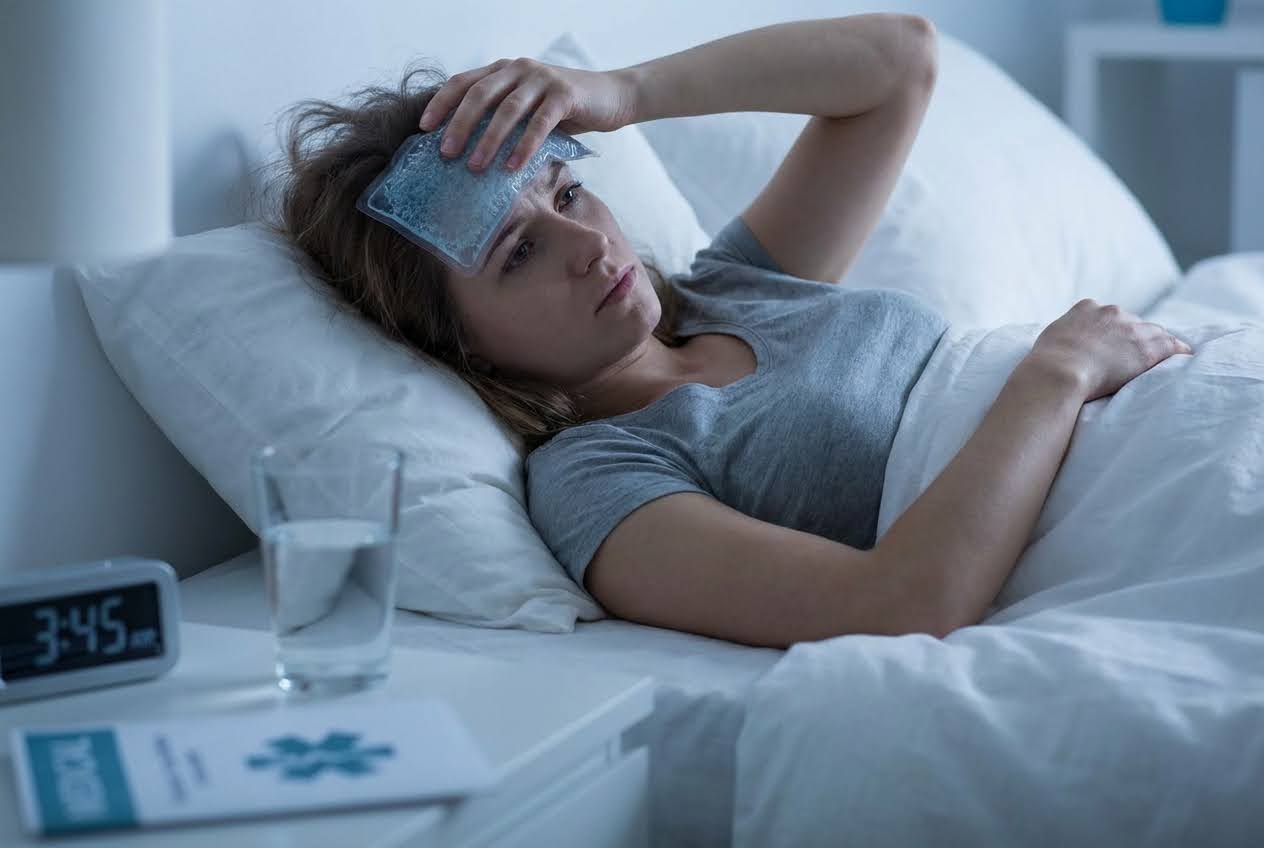
Waking up drenched in sweat at 3 a.m. is exhausting and frustrating. For millions of women, this becomes a nightly reality during menopause. Approximately three-quarters of women experience night sweats during perimenopause and menopause. About 25% deal with severe symptoms that disrupt sleep and daily life. These episodes are not just uncomfortable; they can affect mood, energy, and overall health. Understanding why they happen and what helps is the first step toward better nights.
Understanding Night Sweats and the Menopausal Transition
The Biological Link Between Estrogen and Thermoregulation
The body's internal thermostat lives in a part of the brain called the hypothalamus. Estrogen plays a key role in keeping this system stable. When estrogen levels drop during menopause, the hypothalamus becomes overly sensitive to tiny temperature shifts. The body overreacts to these small changes and triggers a hot flash. The brain thinks the body is overheating, so it launches a cooling response: blood vessels dilate, heart rate increases, and sweat glands activate.
Distinguishing Night Sweats from Standard Hot Flashes
Night sweats and hot flashes come from the same source, but timing makes a big difference. Daytime hot flashes are uncomfortable but manageable. Night sweats interrupt sleep cycles, leaving women tired and irritable. Some women wake up with soaked pajamas and sheets, needing to change before going back to sleep. This broken sleep pattern creates a cycle of fatigue that affects work, relationships, and mental health.
Timeline: Perimenopause through Postmenopause
Symptoms often start in perimenopause, sometimes years before periods stop completely. Most women assume night sweats will end quickly after menopause, but research tells a different story. Around 30% of women aged 60 to 65 still experience hot flashes and night sweats, and about 10% have symptoms for 10 years or more, which can take a real toll on health and wellbeing.
Common Triggers and Risk Factors
Dietary Influences: Alcohol, Caffeine, and Spicy Foods
Certain foods and drinks make night sweats worse. Alcohol relaxes blood vessels and raises body temperature, often triggering episodes within hours of drinking. Caffeine stimulates the nervous system and can increase sweating, especially when consumed in the afternoon or evening. Spicy foods containing capsaicin directly activate heat receptors in the body. Keeping a food diary helps identify personal triggers.
Lifestyle Factors: Stress, Anxiety, and Smoking
Stress hormones like cortisol affect the same brain regions that control body temperature. High stress levels make the hypothalamus even more reactive. Smoking is particularly harmful. Nicotine constricts blood vessels and affects estrogen metabolism, making symptoms more frequent and severe. Women who smoke often experience menopause earlier and have worse symptoms overall.
Environmental and External Heat Sources
A warm bedroom is one of the most common triggers. Heavy blankets, memory foam mattresses that trap heat, and poor ventilation all contribute to nighttime overheating. Even a sleeping partner's body heat can push temperatures past the threshold that triggers sweating.
Medical and Therapeutic Interventions
Hormone Replacement Therapy (HRT)
HRT remains the most effective treatment for severe menopausal symptoms. By replacing lost estrogen, it stabilizes the hypothalamus and reduces both the frequency and intensity of night sweats. HRT comes in pills, patches, gels, and creams. The decision to use HRT involves weighing benefits against potential risks, which vary based on age, health history, and timing. Doctronic.ai can help women understand their options and prepare questions for their healthcare provider.
Non-Hormonal Prescription Medications
For women who cannot or prefer not to use hormones, several prescription alternatives exist. Low-dose antidepressants like paroxetine and venlafaxine reduce hot flash frequency by affecting brain chemistry. Gabapentin, typically used for nerve pain, also helps some women. Clonidine, a blood pressure medication, works by affecting blood vessel response.
Over-the-Counter Supplements and Herbal Remedies
Black cohosh, evening primrose oil, and red clover are popular supplements, though research on their effectiveness is mixed. Some women find relief with these options, while others see little benefit. Phytoestrogens from soy products may provide mild relief. Any supplement should be discussed with a healthcare provider to avoid interactions with other medications.
Lifestyle Adjustments for Better Sleep Quality
Optimizing the Sleep Environment
Keep the bedroom temperature between 60 and 67 degrees Fahrenheit. Use a fan or air conditioning, and consider leaving a window cracked for fresh air. Remove heavy curtains that trap heat. Some women find that sleeping alone during severe episodes helps, as partner body heat can trigger sweating.
Cooling Technologies and Bedding Materials
Moisture-wicking sheets made from bamboo or special performance fabrics pull sweat away from the body
Cooling mattress pads with gel layers or water circulation systems regulate temperature throughout the night
Breathable sleepwear designed for hot flashes keeps skin dry
Cooling pillows with ventilated designs prevent head and neck overheating
Relaxation Techniques and Evening Routines
A consistent bedtime routine signals the body to prepare for sleep. Avoid screens for at least an hour before bed, as blue light affects melatonin production. Deep breathing exercises and progressive muscle relaxation lower stress hormones that can trigger night sweats. A cool shower before bed can lower core body temperature and delay the onset of sweating.
When to Consult a Healthcare Provider
Identifying Underlying Non-Menopausal Causes
Not all night sweats come from menopause. Thyroid disorders, infections, certain medications, and some cancers can cause similar symptoms. Women should see a doctor if night sweats appear suddenly, occur with fever or unexplained weight loss, or happen outside the typical menopausal age range. Doctronic.ai offers AI-assisted consultations to help determine whether symptoms warrant further investigation.
Impact on Mental Health and Daily Functioning
Chronic sleep disruption affects everything from memory to mood. Women experiencing depression, anxiety, or difficulty functioning at work due to poor sleep should seek help. Treatment options exist, and no one should suffer in silence. Quality of life matters, and effective management is possible.
Frequently Asked Questions
Most women experience symptoms for several years, but the duration varies widely. About 10% of women have symptoms for 10 years or more.
Yes. Avoiding known triggers like alcohol, caffeine, and spicy foods, especially in the evening, can significantly reduce episode frequency for many women.
HRT is safe for most healthy women under 60 or within 10 years of their last menstrual period. Individual risks depend on personal and family health history.
Most sleep experts recommend keeping the bedroom between 60 and 67 degrees Fahrenheit for optimal sleep and reduced sweating.
See a doctor if sweating appears suddenly, occurs with fever or weight loss, occurs outside typical menopause years, or severely impacts daily life.
The Bottom Line
Night sweats during menopause affect most women, and can impact sleep and quality of life. Effective treatments and lifestyle changes exist, and women dealing with severe symptoms should seek medical guidance. For personalized support navigating menopause symptoms, Doctronic.ai offers AI-guided assessments and affordable telehealth consultations with real doctors available 24/7.
Understanding Emotional Wellness Through DBTEmotions feel overwhelming when they seem to control every decision. Dialectical Behavior Therapy offers practical techniques for [...]
Getting Skin Care Without the Insurance HeadachesThat suspicious mole has been bothering you for weeks. You want answers from a dermatologist, but a quick call to your [...]
Why Ankles Swell After Physical ActivityFinishing a workout with puffy, tight ankles can be alarming. Most people assume something is wrong, but bloated ankles after exercise [...]



 Lifestyle Adjustments for Better Sleep Quality