Neck pain and headaches often share the same root cause due to interconnected nerves and muscles in the upper spine
Cervicogenic headaches originate from neck problems and affect approximately 2.5% of the general population
Poor posture, especially from prolonged screen use, creates muscle tension that triggers both conditions
Degenerative changes like arthritis and herniated discs can compress nerves, causing referred pain to the head
Simple ergonomic adjustments and targeted exercises can prevent many cases of combined neck and head pain
Sudden or severe symptoms require prompt medical evaluation to rule out serious conditions
How Neck Pain and Headaches Are Connected
The connection between neck pain and headache affects millions of people, yet most don't realize these symptoms share common causes. Headache disorders affect more than 50% of the global population. Meanwhile, research indicates that over 70% of people will experience neck pain at some point in their lives. These two conditions frequently occur together because the anatomy of the neck and head creates a direct pathway for pain signals. Understanding this relationship helps people identify the source of their discomfort and find effective relief. Doctronic.ai provides AI-powered medical guidance to help users understand these connections and determine when professional care is needed.
The Anatomical Link Between the Neck and Head
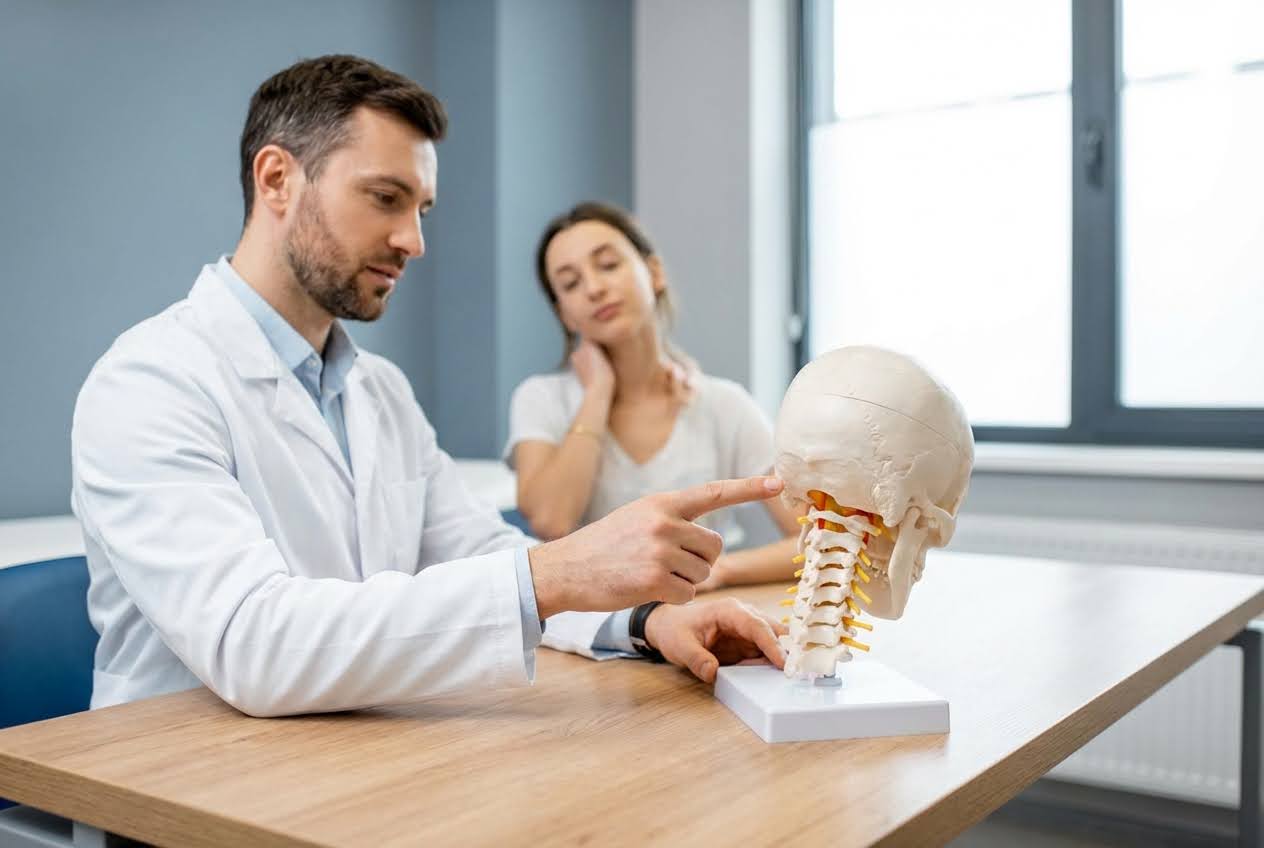
The neck and head share an intricate network of nerves, muscles, and blood vessels. This anatomical connection explains why problems in one area so often create symptoms in the other.
Understanding Cervicogenic Headaches
Cervicogenic headaches start in the neck but cause pain that radiates into the head. These headaches typically begin as a dull ache at the base of the skull and spread to the forehead, temples, or behind the eyes. The pain usually affects one side and worsens with certain neck movements. Stiffness and reduced range of motion in the neck often accompany these headaches. People frequently mistake cervicogenic headaches for migraines or tension headaches, leading to ineffective treatment approaches.
The Role of the Trigeminal Nerve
The trigeminal nerve serves as the primary pain pathway for the face and head. This nerve connects with the upper cervical nerves in a region called the trigeminocervical nucleus. When neck structures are irritated or damaged, pain signals travel through this shared pathway and are perceived as head pain.
Muscle Tension and Postural Strain
Modern lifestyles place enormous strain on the neck and upper back. Hours spent hunched over devices create chronic muscle tension that manifests as both neck pain and headaches.
Forward Head Posture and Tech Neck
Forward head posture occurs when the head shifts ahead of the shoulders. For every inch the head moves forward, it adds approximately 10 pounds of stress to the neck muscles. Tech neck refers to the strain caused by looking down at phones and tablets for extended periods. The muscles at the back of the neck work constantly to support the head in this unnatural position. Over time, this creates chronic tension, trigger points, and referred pain patterns that extend into the head.
Tension-Type Headaches from Myofascial Triggers
Myofascial trigger points are tight knots within muscle tissue that cause pain both locally and in distant areas. The trapezius, sternocleidomastoid, and suboccipital muscles commonly develop these trigger points. When pressed, these spots reproduce the familiar pattern of head pain that patients experience. Medical experts explain that when you're having more pain in one region, you're more likely to have more pain in another because all pain resides in the brain. The brain becomes over-sensitized, and pain becomes amplified.
Degenerative and Structural Causes
Age-related changes to the spine can create conditions that cause both neck discomfort and headaches. These structural issues often develop gradually over the years.
Cervical Osteoarthritis and Spondylosis
Cervical spondylosis refers to wear-and-tear changes affecting the spinal discs and joints in the neck. Bone spurs may form as the body attempts to stabilize deteriorating joints. These changes can irritate surrounding nerves and soft tissues. The upper cervical spine, particularly the C1-C3 levels, directly influences head pain when affected by arthritis. Morning stiffness and pain that improve with movement characterize this condition.
Herniated Discs and Nerve Compression
Cervical disc herniation occurs when the soft inner material of a spinal disc pushes through its outer layer. This displaced material can compress nearby nerve roots. When upper cervical nerves become compressed, patients often experience shooting pain that travels from the neck into the back of the head. Numbness, tingling, and weakness in the arms may accompany these symptoms. Doctronic.ai can help users assess their symptoms and understand whether they align with disc-related problems.
Trauma and Acute Injuries
Sudden injuries to the neck frequently result in both immediate and delayed headache symptoms. The severity of these injuries ranges from mild to debilitating.
Whiplash and Soft Tissue Damage
Whiplash occurs when the head snaps rapidly forward and backward, typically during car accidents. This motion strains the muscles, ligaments, and tendons of the neck. Headaches following whiplash often develop within hours to a few days of the injury. These headaches may persist for weeks or months without proper treatment. Dizziness, difficulty concentrating, and sleep disturbances commonly accompany post-whiplash headaches.
Occipital Neuralgia Post-Injury
Occipital neuralgia involves damage or irritation to the occipital nerves, which run from the upper neck to the scalp. Trauma can trigger this condition, causing electric shock-like pain that shoots from the base of the skull upward. The pain typically affects one side and may be triggered by touching the scalp or moving the neck. This condition often follows head injuries, neck surgery, or prolonged periods of keeping the head in a flexed position.
Lifestyle Factors and Preventive Care
Many cases of combined neck pain and headaches respond well to lifestyle modifications. Simple changes can break the cycle of chronic pain.
Ergonomic Adjustments for Workspaces
Position computer monitors at eye level to maintain neutral neck alignment. Keep keyboards and mice close enough that shoulders remain relaxed. Use a headset for phone calls instead of cradling the phone between your ear and your shoulder. Take breaks every 30-45 minutes to stand, stretch, and reset posture. These adjustments reduce the cumulative strain that leads to chronic symptoms.
Therapeutic Exercises and Stretching
Chin tucks strengthen the deep neck flexors that support proper head position. Gentle neck rotations and side bends maintain mobility and reduce stiffness. Upper trapezius stretches release the muscles most commonly involved in tension headaches. Consistency matters more than intensity: brief daily sessions produce better results than occasional lengthy workouts.
Recognizing When to Seek Medical Attention
Most neck pain and headaches resolve with conservative care, but certain warning signs demand immediate evaluation. Suddenly, a severe headache unlike any experienced before requires emergency assessment. Headaches accompanied by fever, stiff neck, confusion, or vision changes may indicate serious conditions. Neck pain following trauma, especially with numbness or weakness in the arms or legs, needs prompt medical attention. Progressive symptoms that worsen despite home treatment warrant professional evaluation.
Frequently Asked Questions
Yes, cervicogenic headaches from neck dysfunction can occur daily, especially when underlying postural issues or structural problems remain unaddressed. Chronic muscle tension in the neck creates a persistent source of referred head pain.
Cervicogenic headaches typically start at the base of the skull and spread forward. They usually affect one side, worsen with neck movement, and improve when neck tension is relieved through massage or stretching.
Sleeping position significantly impacts neck strain. Side sleepers need pillows that fill the gap between the shoulder and head. Back sleepers need thinner pillows. Stomach sleeping forces the neck into rotation and should be avoided.
While these conditions affect all ages, patterns differ. Younger adults more commonly experience tension-related symptoms from device use. Older adults are more likely to develop symptoms from degenerative conditions such as arthritis.
The Bottom Line
Neck pain and headaches share common causes rooted in anatomy, posture, degeneration, and injury. Understanding these connections empowers people to address the true source of their discomfort. For personalized guidance on symptoms and treatment options, Doctronic.ai offers AI-driven symptom assessments that direct users to appropriate next steps aligned with current clinical standards.
When most people think of preeclampsia, they immediately associate it with dangerously high blood pressure during pregnancy. However, a lesser-known but equally serious [...]
Panic attacks represent some of the most frightening experiences a person can endure, striking suddenly with overwhelming physical and psychological symptoms. These intense [...]
When sleepless nights become a regular occurrence, over-the-counter sleep aids offer an accessible first line of defense against insomnia. Nearly one-third of adults [...]


 Degenerative and Structural Causes