

7 Common and Serious Side Effects of Airsupra
Meta Description: Learn about the 7 common and serious side effects of Airsupra and how to manage risks like oral thrush or heart issues through proper inhaler [...]
Read MoreNeck massage targets specific muscle groups like the trapezius and levator scapulae to relieve tension and pain
Regular neck massage can temporarily reduce cortisol levels and may provide headache relief lasting days to weeks, depending on consistency and severity
Professional techniques include Swedish massage, deep tissue work, and trigger point therapy
Self-massage tools like foam rollers, massage balls, and electric massagers offer effective at-home relief
Always avoid sensitive areas near the spine and carotid artery, and consult a doctor if pain persists
Stiff necks have become an epidemic. Hours hunched over screens, poor sleeping positions, and chronic stress create a perfect storm of muscle tension that affects millions daily. The solution is often simpler than people think: targeted neck massage delivers real relief by addressing the root causes of pain and stiffness. Understanding the benefits and techniques behind effective neck massage empowers anyone to take control of their comfort. The global neck and shoulder massager market reflects this growing awareness, with projections reaching approximately US$ 8.6 billion by 2033. Whether seeking professional treatment or practicing self-care at home, the right approach makes all the difference. Doctronic.ai can help identify when neck pain needs medical attention versus when massage therapy alone will suffice.
The neck contains some of the most overworked muscles in the body. These muscles support a head weighing 10-12 pounds while allowing constant movement in multiple directions.
The trapezius muscle runs from the skull down to the mid-back and across to the shoulders. This large muscle bears the brunt of desk work and stress-related tension. The levator scapulae connects the neck to the shoulder blade and becomes tight from phone use and side sleeping. The sternocleidomastoid runs along the front and side of the neck, often causing referred pain to the head when tense. Effective massage addresses all three groups rather than focusing on just one area.
Tight muscles restrict blood flow, creating a cycle of tension and pain. Massage breaks this cycle by physically pushing blood through congested tissue. Fresh, oxygenated blood rushes into the area, carrying nutrients needed for healing. Waste products like lactic acid get flushed away. This improved circulation explains why necks feel warm and relaxed after a good massage session.
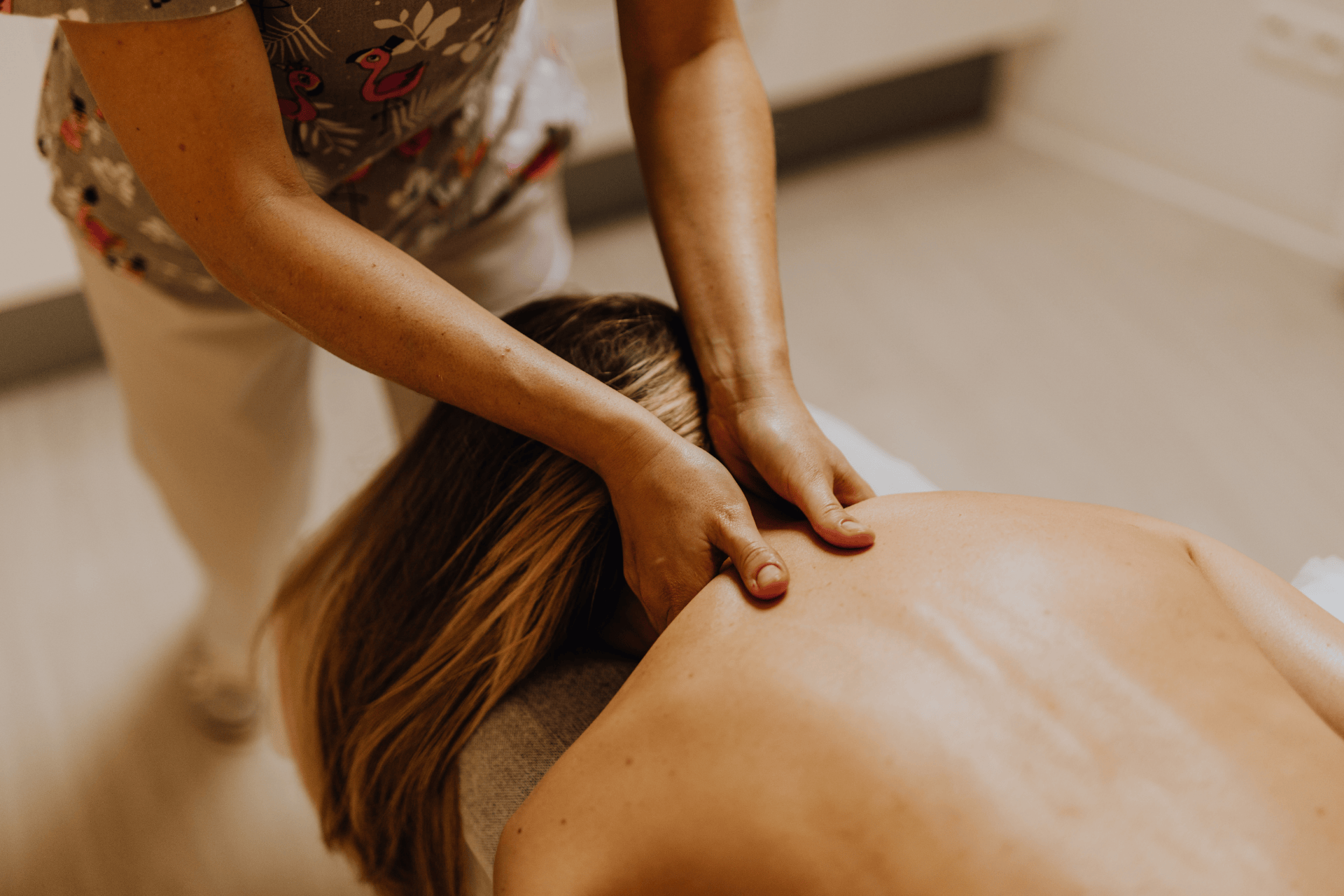 Primary Health and Wellness Benefits
Neck massage offers benefits that extend far beyond temporary comfort. Regular treatment creates lasting changes in how the body handles stress and pain.
Most tension headaches originate in the neck. Tight muscles pull on the skull's base, creating pain that radiates across the head. Consistent massage therapy can improve neck-related headache symptoms for several weeks, though results vary by frequency and individual condition. While massage supports pain management, it is not considered a standalone treatment for chronic migraines.
The neck holds tension like a sponge holds water. Stress causes unconscious muscle tightening that persists long after the stressful event passes. Massage activates the parasympathetic nervous system, triggering relaxation responses throughout the body. Short-term studies show cortisol levels can drop modestly after massage**.**
Stiff necks limit daily activities in ways people often accept as normal. Checking blind spots while driving, looking up at shelves, or simply turning to talk to someone becomes difficult. Regular massage breaks down adhesions between muscle fibers and lengthens shortened tissue. Some studies show measurable improvements in range of motion within several sessions.
Neck massage is generally safe, but the neck contains sensitive structures that require caution.
Never apply direct pressure to the front of the throat or the carotid arteries on either side. Avoid pressing directly on the spine itself. The bony prominences you feel are vertebrae, and pressure here can cause injury. Focus instead on the muscles alongside and behind the spine.
Stop massage and seek medical advice if experiencing numbness or tingling down the arms, sudden severe headache, dizziness, or pain that worsens rather than improves. Doctronic.ai offers quick consultations to help determine whether symptoms require professional evaluation or can be safely managed at home.
Mainly the trapezius, levator scapulae, and sternocleidomastoid muscles that support posture and head movement.
Yes. It can relieve tension headaches caused by tight neck muscles, with relief lasting days or weeks for some people.
1–2 times per week works for most people. Chronic tension may require more consistent sessions.
Yes, if done gently. Avoid the front of the neck, carotid arteries, and direct pressure on the spine.
Foam rollers, massage balls, and electric massagers can provide effective at-home relief.
If pain worsens, doesn’t improve, or includes numbness, dizziness, or severe headaches, seek medical advice.
Neck massage is a simple, effective way to relieve tension, improve mobility, and reduce stress when done correctly. Consistency and proper technique matter. If neck pain persists or symptoms feel unusual, Doctronic.ai can help determine whether massage is enough or medical care is needed.
Meta Description: Learn about the 7 common and serious side effects of Airsupra and how to manage risks like oral thrush or heart issues through proper inhaler [...]
Read MoreMeta Description: Learn about 8 budesonide interactions and what to avoid when you’re taking budesonide, including grapefruit and common drugs, to ensure your treatment is [...]
Read MoreMeta Description: Learn about these 7 Xolair interactions and what to avoid when you’re taking Xolair to safely manage your asthma, chronic hives, or nasal polyp [...]
Read More