Back muscle strains affect approximately 60–80% of adults at some point, making them one of the most common musculoskeletal injuries worldwide
Proper identification of strain versus disc injury determines the right treatment approach
Ice works best for the first 48-72 hours, then switch to heat therapy
Movement at lower intensity speeds recovery better than complete rest
Core strengthening and ergonomic adjustments prevent future injuries
Understanding Back Muscle Strains and Symptoms
That sharp twinge when reaching for something on a high shelf, or the dull ache after a long day hunched over a desk: these experiences connect millions of people who experience back muscle strain. Around 60–80% of adults will experience back pain at some point in their lives. Understanding what happens when back muscles strain helps people take the right steps toward recovery and avoid worsening the injury.
Common Signs of a Pulled Back Muscle
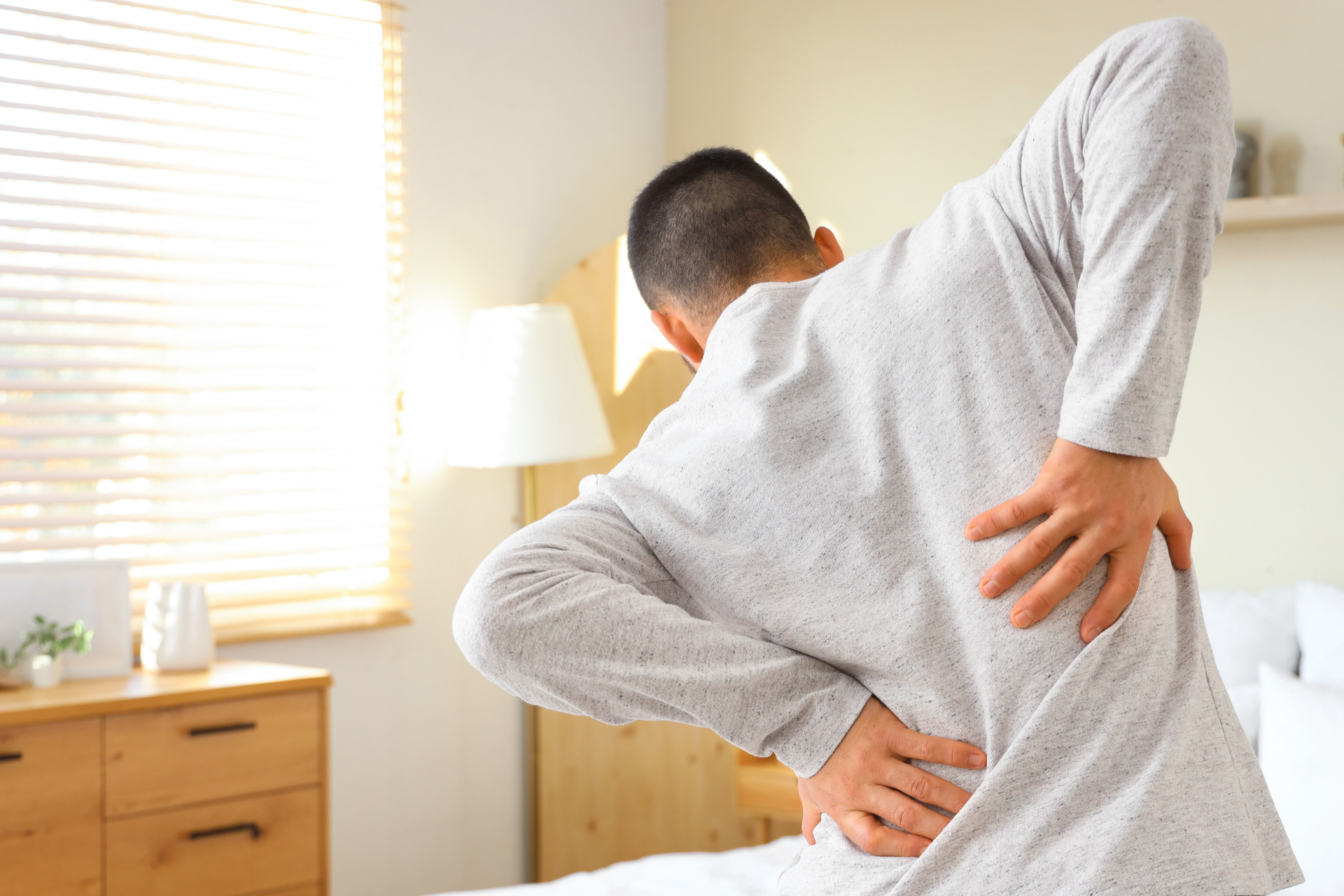
A pulled back muscle announces itself clearly. People typically feel localized pain that worsens with movement, muscle spasms that cause the back to "lock up," and stiffness that makes bending or twisting difficult. The affected area often feels tender to the touch. Pain typically remains localized rather than radiating down the legs, and it intensifies with specific movements such as lifting or twisting.
Differentiating Between Muscle Strain and Disc Injury
Muscle strains and disc injuries require different treatment approaches, so distinguishing between them matters. Muscle strains typically cause pain that improves with rest and gentle movement within days. Disc injuries often produce shooting pain that travels down one or both legs, numbness or tingling in the extremities, and weakness in leg muscles. If pain persists beyond 2 weeks or includes radiating symptoms, consulting a healthcare professional is essential. Doctronic.ai provides affordable AI-assisted triage and licensed clinician telehealth consultations to help determine whether symptoms point to a simple strain or something requiring more attention.
Primary Causes and Risk Factors
Understanding why back strains happen prevents repeat injuries. The causes typically fall into three categories: acute trauma, chronic overuse, and underlying weaknesses that make muscles vulnerable.
Acute Injuries from Improper Lifting
The classic "lift with your legs, not your back" advice exists for good reason. When people bend at the waist to lift heavy objects, the lower back muscles bear more weight than they can handle. Twisting while lifting compounds the problem, creating shearing forces that tear muscle fibers. Weekend warriors who tackle heavy yard work or move furniture without proper preparation face the highest risk for these sudden injuries.
Overuse and Repetitive Stress
Not all back strains happen in a single moment. Repetitive motions at work or during exercise gradually fatigue muscles, leading to failure. Office workers who spend 8 hours daily in the same position, warehouse employees who perform repeated lifting motions, and athletes who overtrain without adequate recovery all develop overuse strains. These injuries sneak up on people because the damage accumulates slowly.
The Role of Poor Posture and Core Weakness
Weak abdominal and back muscles force other structures to compensate, creating strain patterns that eventually lead to injury. Poor posture magnifies this problem by placing muscles in mechanically disadvantaged positions. People who sit with rounded shoulders and a forward head position constantly stress their back muscles, even while doing nothing strenuous.
Immediate Self-Care and First Aid
The first 48-72 hours after a back strain determine the rate of recovery. Taking the right steps immediately can mean the difference between a week of discomfort and a month of ongoing problems.
The R.I.C.E. Method for Back Recovery
Rest, Ice, Compression, and Elevation: this classic approach applies to back strains with some modifications. Rest does not mean complete bed rest, which actually slows healing. The best remedy is more movement, just at a lower intensity. Ice application for 15-20 minutes several times daily reduces inflammation. Compression works less effectively on the back than on limbs, but supportive wraps can provide comfort.
Heat vs. Cold Therapy Applications
Ice wins for the first 48-72 hours when inflammation peaks. After that initial period, heat therapy increases blood flow and relaxes tight muscles, speeding recovery. Many people find alternating between heat and cold provides the best relief. Heating pads, warm baths, and hot water bottles are all effective for heat application.
Professional Treatment and Rehabilitation
When home care does not resolve symptoms within a week or two, professional intervention accelerates recovery and prevents the development of chronic problems.
Physical Therapy and Corrective Exercises
Physical therapists identify the specific muscle imbalances and movement patterns that caused the injury. They design exercise programs that strengthen weak areas while stretching tight ones. Understanding the underlying cause matters tremendously: as rehabilitation specialists explain, identify how the injury happened - was it a sudden force or a gradual overload from poor movement or planning? Understanding the underlying cause is essential for lasting recovery.
Pharmacological Options for Pain Management
Over-the-counter anti-inflammatory medications like ibuprofen reduce both pain and swelling. Muscle relaxants help when spasms prevent movement. Topical treatments provide localized relief without systemic side effects. For severe cases, short-term prescription medications may be appropriate, but long-term reliance on pain medication masks problems rather than solving them.
When to Seek Medical Attention
Certain symptoms require immediate professional evaluation: pain that does not improve after two weeks of self-care, numbness or tingling in the legs, loss of bladder or bowel control, fever accompanying back pain, or pain following a significant injury like a car accident. Doctronic.ai provides access to licensed clinicians via secure video visits in most U.S. states, making it easy to get professional guidance without waiting days for an appointment.
Long-Term Prevention Strategies
The global chronic lower back pain treatment market is projected to grow. Prevention costs far less than treatment, both financially and in terms of quality of life.
Ergonomic Adjustments for Daily Life
Position computer monitors at eye level to prevent forward head posture
Use chairs with proper lumbar support
Take standing or walking breaks every 30-45 minutes during desk work
Keep frequently used items within easy reach to avoid repetitive stretching
Sleep on a supportive mattress with a pillow that maintains neutral spine alignment
Essential Stretches and Strengthening Routines
Daily stretching and twice-weekly strength training dramatically reduce back strain risk. Key exercises include cat-cow stretches for spinal mobility, bird-dogs for core stability, and glute bridges for posterior chain strength. Planks build the abdominal strength that protects the lower back. Even 10-15 minutes daily makes a significant difference.
Frequently Asked Questions
Most mild to moderate back strains heal within two to six weeks with proper care. Severe strains may take up to three months. Staying active at reduced intensity typically speeds recovery compared to complete rest.
Yes, but modify the intensity and type of exercise. Walking, swimming, and gentle stretching often help. Avoid heavy lifting, twisting movements, and high-impact activities until pain resolves.
Seek medical attention if pain persists beyond two weeks, radiates down the legs, includes numbness or tingling, or follows significant trauma. Doctronic.ai offers convenient telehealth consultations to help determine whether in-person care is needed.
Combine ice therapy in the first 48-72 hours with gentle movement, anti-inflammatory medication if appropriate, and gradual return to normal activities. Avoid prolonged bed rest, which actually slows healing.
The Bottom Line
Back muscle strains affect most people at some point, but understanding the causes and recovery process makes them manageable. Quick action with proper self-care, knowing when to seek professional help, and committing to prevention strategies keep backs healthy long-term. For personalized guidance on back strain recovery, visit Doctronic.ai for AI-assisted symptom analysis and affordable video consultations with licensed healthcare providers available 24/7.
When most people think of preeclampsia, they immediately associate it with dangerously high blood pressure during pregnancy. However, a lesser-known but equally serious [...]
Panic attacks represent some of the most frightening experiences a person can endure, striking suddenly with overwhelming physical and psychological symptoms. These intense [...]
When sleepless nights become a regular occurrence, over-the-counter sleep aids offer an accessible first line of defense against insomnia. Nearly one-third of adults [...]


 Primary Causes and Risk Factors