

Exercises for Lower Back Pain: What Helps Most
Why Movement Matters for Back Pain ReliefLower back pain affects millions of people every year. The good news is that the right exercises can make a real difference. Finding [...]
Read More
Medically reviewed by Alan Lucks | MD, Alan Lucks MDPC Private Practice - New York on December 12th, 2025.
Miconazole is an antifungal medication used to treat various fungal infections, including skin and oral infections.
Dosage varies depending on the form-cream, ointment, powder, or oral gel-and the condition being treated.
Typical adult dosages range from topical applications once or twice daily to oral gel used four times daily.
Children’s dosages vary and should be carefully adjusted based on age and weight.
Missing a dose should be addressed promptly by taking it as soon as remembered, unless close to the next dose.
Consulting with a healthcare provider, primarily through telehealth services such as Doctronic.ai, ensures personalized, safe dosing guidance.
Miconazole is a widely used antifungal medication that comes in several forms, including topical creams, powders, and oral gels. Its flexibility makes it effective for treating fungal infections such as athlete’s foot, ringworm, jock itch, and oral thrush. However, the dosage and frequency depend heavily on the specific formulation and condition being treated. Understanding the right dose is essential for safety and effectiveness.
Form |
Strength |
Typical Adult Dose |
Typical Children’s Dose |
Frequency |
Route |
Maximum Daily Dose |
|---|---|---|---|---|---|---|
Cream/Ointment |
2% |
Apply thin layer to affected area |
Apply thin layer to affected area |
Twice daily |
Topical |
As directed by healthcare provider |
Powder |
2% |
Apply to affected area |
Apply to affected area |
Once or twice daily |
Topical |
As directed |
Oral Gel |
20 mg/g |
Apply 5 mL to oral mucosa |
Use only if prescribed by doctor |
Four times daily |
Oral |
As directed |
For common fungal infections like athlete’s foot, ringworm, or jock itch, miconazole cream or powder is typically applied twice daily. Adults and children over 2 years old should apply a thin layer to the affected area and surrounding skin for 2 to 4 weeks or until symptoms resolve. Consistency is key to preventing recurrence.
Oral thrush is treated with miconazole oral gel. Adults typically apply 5 mL to the affected oral mucosa four times daily after meals and at bedtime. Children’s use of oral gel should be strictly under medical supervision. Treatment usually lasts 7 to 14 days, depending on severity.
Miconazole vaginal suppositories or creams are used for yeast infections. Dosage varies by product, but common regimens include daily application for 3 to 7 days. Always follow specific product instructions or consult a healthcare provider for personalized dosing.
Adults generally use miconazole topically twice daily for skin infections. For oral thrush, the oral gel is applied four times daily. Vaginal treatments vary but often involve daily application for up to a week. The exact dose depends on the product concentration and infection site.
Children over 2 years old may use topical miconazole cream or powder for skin infections with the same frequency as adults. Oral gel use in children should be limited to cases prescribed by a doctor, considering age and weight. Always consult a healthcare provider before administering miconazole to children.
If a dose is missed, apply it as soon as you remember. If it is almost time for the next dose, skip the missed one and continue the regular schedule. Do not double the dose to catch up. Maintaining consistent application is important to ensure the infection is fully treated.
Miconazole topical forms are generally considered safe during pregnancy, but the oral gel should be used only if clearly needed and prescribed by a healthcare provider. Breastfeeding mothers should consult their doctor before using it to avoid potential risks to the infant.
Topical miconazole is minimally absorbed systemically, so dose adjustment is typically unnecessary. However, oral gel should be used cautiously and under medical supervision in patients with significant liver or kidney disease.
Overdose with topical miconazole is rare due to minimal absorption. Oral gel overdose may cause nausea, vomiting, or abdominal pain. If overdose is suspected, seek medical attention immediately. Avoid contact with eyes and open wounds unless directed by a healthcare provider. Discontinue use if severe irritation or allergic reaction occurs.
Follow the full course of treatment even if symptoms improve early.
Keep the affected area clean and dry before applying topical miconazole.
Avoid sharing personal items like towels or clothing to prevent reinfection.
Use only as directed and do not exceed recommended doses.
Consult a healthcare provider if symptoms worsen or do not improve within 2 weeks.
For personalized advice on miconazole dosage and treatment options, Doctronic.ai offers quick access to AI-powered medical guidance and telehealth video visits with licensed doctors across all 50 states. Whether you have questions about dosing, side effects, or alternative treatments, Doctronic’s AI doctor combines the latest peer-reviewed medical research with a personal touch, remembering your history for better care.
Doctronic’s telehealth service is convenient and affordable, with video visits available 24/7 for under $40. This makes it easy to get expert advice without leaving your home, ensuring safe and effective use of medications like miconazole.
Miconazole is a versatile antifungal that requires careful attention to dosage depending on the form and infection type. Using the correct dose and following through with treatment helps clear infections effectively while minimizing side effects. For tailored dosing advice and ongoing support, telehealth platforms like Doctronic.ai provide a reliable, modern approach to managing your health safely and conveniently.
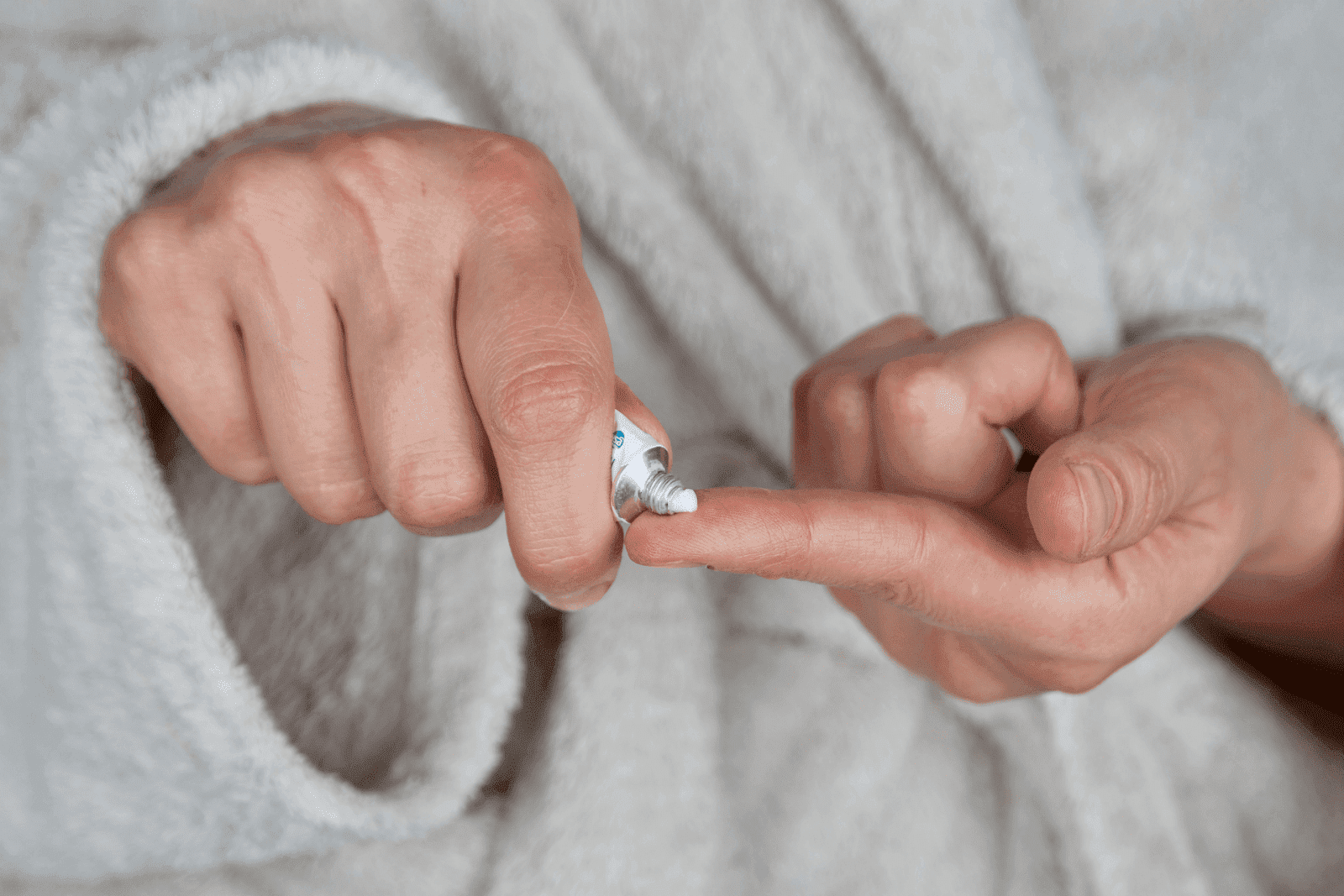
Yes, children over 2 years old can typically use miconazole cream for skin infections. Always follow dosing instructions and consult a healthcare provider if unsure.
Improvement is often seen within a few days, but treatment should continue for 2 to 4 weeks to fully clear the infection and prevent recurrence.
Topical miconazole is generally safe during pregnancy, but oral forms should only be used if prescribed by a doctor.
Stop using miconazole and contact your healthcare provider if you experience severe irritation, rash, or allergic reactions.
Topical miconazole has minimal interactions, but always inform your doctor about all medications you are taking, especially if using oral antifungal treatments.
Doctronic.ai offers AI-powered medical guidance and telehealth visits with licensed doctors who can provide personalized dosage recommendations and answer your questions.
Why Movement Matters for Back Pain ReliefLower back pain affects millions of people every year. The good news is that the right exercises can make a real difference. Finding [...]
Read MoreWhat Tech Neck Is and Why It’s So CommonYour neck was not designed for smartphones. The human spine evolved over millions of years to support a head positioned directly above [...]
Read MoreWhat Women Need to Know About Perimenopause SupportThe menopause supplement market has grown rapidly in recent years, reflecting a clear trend: millions of women are actively [...]
Read More