

7 Common and Serious Side Effects of Airsupra
Meta Description: Learn about the 7 common and serious side effects of Airsupra and how to manage risks like oral thrush or heart issues through proper inhaler [...]
Read MoreEstrogen decline during menopause causes skin to lose up to 20% to 30% of its collagen in just five years, leading to dryness and itching.
Between 21% and 60% of women aged 40 to 65 experience itchy skin during perimenopause and menopause.
Three main types of menopausal itching exist: general pruritus, formication (crawling sensations), and vaginal itching.
Environmental factors like hot water, harsh detergents, and low humidity can worsen symptoms significantly.
Treatment options range from lifestyle changes and moisturizers to hormone replacement therapy and phytoestrogens.
Persistent itching with rashes, bleeding, or severe discomfort warrants a visit to a dermatologist.
That relentless itch that seems to come from nowhere has a clear explanation. Menopause and itchy skin are directly connected through hormonal changes that fundamentally alter how skin functions. Approximately 21% to 60% of women aged 40 to 65 experience this frustrating symptom during perimenopause and menopause. The wide range reflects how differently women's bodies respond to hormonal shifts.
This isn't just dry skin from aging. The hormonal changes during menopause trigger specific biological processes that make skin thinner, drier, and more prone to irritation. Understanding these mechanisms helps women find real relief instead of endlessly applying lotion without results. Doctronic.ai provides personalized guidance for women navigating these changes, offering AI-powered consultations that remember your specific symptoms and history.
Estrogen does far more than regulate reproductive functions. This hormone directly controls how much collagen the body produces, and collagen keeps skin thick, elastic, and resilient. Dr. Kristina Semkova explains that declining estrogen levels cause the body's collagen production to slow down, leading to thinner skin and dryness, which provokes itchiness.
The numbers are striking. Women's skin loses about 20% to 30% of its collagen during the first five years of menopause. That rapid loss explains why skin changes seem to happen suddenly rather than gradually.
Estrogen also controls sebum production. Sebum is the natural oil that keeps skin moisturized and protected from environmental damage. When estrogen drops, sebaceous glands produce less oil, leaving skin vulnerable.
Without adequate sebum, the skin barrier weakens. This barrier normally traps moisture inside and keeps irritants outside. A compromised barrier allows water to escape while letting allergens and bacteria penetrate more easily. The result is dry, irritated skin that itches constantly.
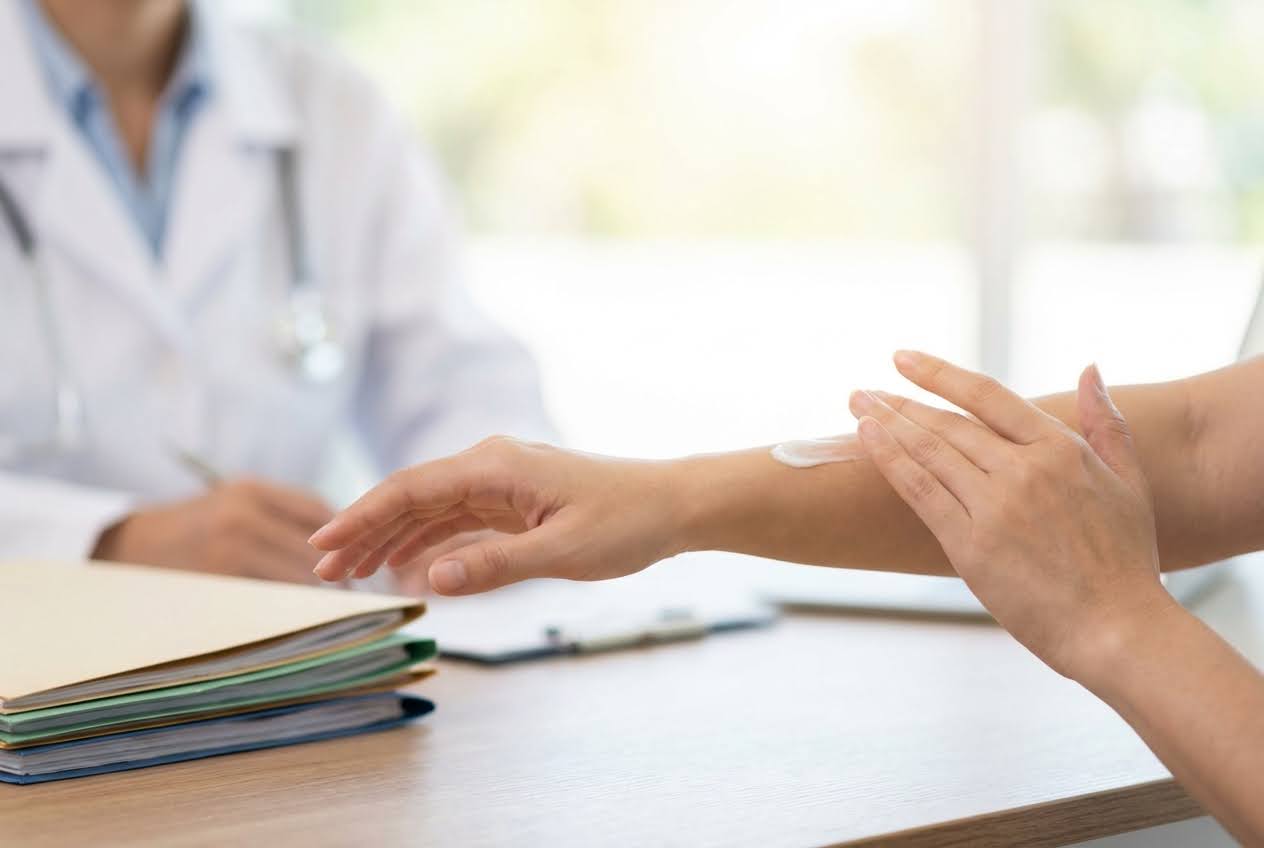
Pruritus refers to widespread itching without a visible rash. Women often notice it on their arms, legs, back, and chest. The itching may feel worse at night when there are fewer distractions. Scratching provides temporary relief but often makes the problem worse by further damaging already fragile skin.
Some women experience formication, a disturbing sensation of insects crawling on or under the skin. Nothing is actually there, but the feeling is very real. This symptom relates to how hormonal changes affect nerve signaling in the skin. Formication can be distressing, but understanding its hormonal cause often helps women cope better.
Vaginal tissue is especially sensitive to estrogen loss. Without adequate estrogen, vaginal walls become thinner, drier, and less elastic. This condition, called vaginal atrophy, causes itching, burning, and discomfort. Unlike general skin itching, vaginal symptoms often require specific treatments targeting this delicate tissue.
Hormonal changes create vulnerability, but external factors often push symptoms from mild to severe. Hot environments cause sweating, which irritates already sensitive skin. Cold, dry air pulls moisture from the skin surface. Air conditioning and central heating both reduce indoor humidity, creating environments where skin loses moisture rapidly.
Temperature extremes also trigger hot flashes, which cause sudden sweating followed by rapid cooling. This cycle stresses the skin repeatedly throughout the day and night.
Products that never caused problems before may suddenly trigger reactions. Fragrances in lotions, soaps, and laundry detergents are common culprits. Alcohol-based toners strip away what little natural oil remains. Even some anti-aging products contain ingredients too harsh for menopausal skin.
Switching to fragrance-free, hypoallergenic products often provides noticeable improvement within days. Reading ingredient labels becomes essential during this transition.
Hot showers feel wonderful, but damage menopausal skin. Hot water strips away natural oils and leaves skin even drier. Switching to lukewarm water makes a significant difference. Limiting showers to 10 minutes or less prevents excessive moisture loss.
Gentle, soap-free cleansers clean without stripping. Applying moisturizer within three minutes of bathing locks in hydration while the skin is still damp. Pat skin dry rather than rubbing, which can irritate fragile tissue.
Drinking adequate water supports skin hydration from the inside. Omega-3 fatty acids from fish, flaxseed, and walnuts help maintain the skin's lipid barrier. Foods rich in antioxidants protect skin cells from damage.
Limiting alcohol and caffeine helps because both are diuretics that increase water loss. Spicy foods may trigger hot flashes in some women, indirectly worsening skin symptoms.
HRT addresses the root cause of menopausal skin changes by replacing lost estrogen. Many women see significant improvement in skin thickness, moisture, and itching. HRT comes in pills, patches, gels, and creams, allowing personalized treatment approaches.
HRT isn't appropriate for everyone. Women with certain health conditions or risk factors may need alternatives. Doctronic.ai can help women understand their options and prepare questions for their healthcare providers.
Thick, fragrance-free moisturizers containing ceramides help rebuild the skin barrier. Products with hyaluronic acid draw moisture into the skin. Colloidal oatmeal soothes itching without harsh chemicals.
For severe itching, hydrocortisone cream provides temporary relief. Use it sparingly and for short periods only, as prolonged use can thin skin further.
Phytoestrogens are plant compounds that mimic estrogen's effects weakly. Soy, red clover, and flaxseed contain these compounds. Some women find supplements or dietary changes helpful, though research results are mixed.
Evening primrose oil and black cohosh are popular natural remedies. Always discuss supplements with a healthcare provider, as they can interact with medications.
Most menopausal itching responds to lifestyle changes and over-the-counter treatments. Certain symptoms require professional evaluation. Seek medical attention for itching accompanied by visible rashes, blisters, or skin changes. Bleeding from scratching or open sores needs treatment to prevent infection.
Itching that disrupts sleep consistently or doesn't improve after several weeks of self-care warrants investigation. Sometimes, itching signals conditions unrelated to menopause that need different treatment.
Itching often begins during perimenopause and may continue for several years after menopause. Most women find symptoms gradually improve as their bodies adjust to lower hormone levels, though some experience ongoing issues that benefit from continued management.
Yes. Stress triggers cortisol release, which can worsen skin inflammation and itching. Stress also disrupts sleep, and poor sleep intensifies itch perception. Managing stress through exercise, meditation, or other techniques often helps skin symptoms.
No. Menopausal itching stems from hormonal changes affecting skin structure, while eczema is an inflammatory condition with different causes. The two can coexist, and menopause may worsen pre-existing eczema. A dermatologist can distinguish between them.
Moisturizer helps but rarely solves the problem completely. Effective management usually requires multiple approaches: gentle skincare, environmental modifications, dietary changes, and sometimes medical treatments. Think of moisturizer as one tool in a larger toolkit.
Menopausal itching results from hormonal changes that thin skin, reduce natural oils, and weaken the protective barrier. Effective relief combines gentle skincare practices, environmental adjustments, and appropriate medical treatments when needed.
Women experiencing persistent or severe symptoms deserve personalized guidance. Doctronic.ai offers free AI doctor visits that synthesize the latest medical research to provide answers in seconds. With 24/7 telehealth visits available in all 50 states for under $49, getting expert care has never been more accessible.
Meta Description: Learn about the 7 common and serious side effects of Airsupra and how to manage risks like oral thrush or heart issues through proper inhaler [...]
Read MoreMeta Description: Learn about 8 budesonide interactions and what to avoid when you’re taking budesonide, including grapefruit and common drugs, to ensure your treatment is [...]
Read MoreMeta Description: Learn about these 7 Xolair interactions and what to avoid when you’re taking Xolair to safely manage your asthma, chronic hives, or nasal polyp [...]
Read More