Lumbar support cushions help maintain the spine's natural curve, reducing strain during long sitting periods
Studies show dynamic seat cushions can reduce lower back pain risk by up to 60% among office workers
Memory foam cushions offer consistent support, while inflatable options provide adjustable firmness
Cushions work best as part of a complete approach that includes proper chair setup and regular movement
The global lumbar support pillow market is growing steadily, reflecting increased awareness of back health
The Mechanics of Lumbar Support and Spinal Alignment
Millions of people spend 8 or more hours a day sitting at desks, in cars, or on couches. That's a lot of time for the spine to suffer. The question of whether lumbar support cushions are worth it comes down to understanding basic spinal anatomy and how sitting affects it. Your lower back naturally curves inward. Most chairs ignore this fact completely. Standard seating flattens the lumbar region, forcing muscles to work overtime just to maintain posture. A well-designed support cushion fills the gap between your back and the chair, allowing your muscles to relax while keeping your spine properly aligned.
Understanding the Natural Lordotic Curve
The lumbar spine features a natural inward curve called lordosis. This C-shaped curve distributes body weight efficiently and absorbs shock during movement. Lumbar support pillows help maintain this natural curve, ensuring proper weight distribution throughout the spine. When you sit without support, gravity pulls your pelvis backward. The lordotic curve flattens or even reverses. Discs between vertebrae experience uneven pressure, and surrounding muscles strain to compensate.
How Sedentary Work Impacts Lower Back Health
Office workers face a specific challenge. Prolonged sitting creates constant low-grade stress on spinal structures. Blood flow decreases to muscles that need it most. Connective tissues gradually lose flexibility. The back-cushion lumbar-support pillow market reflects this growing concern. People are seeking solutions because the problem is real and widespread.
Key Benefits of Using a Lumbar Cushion
Reduction of Muscle Fatigue and Strain
When the spine lacks proper support, the back muscles constantly engage to prevent slouching. This sustained effort leads to fatigue, tension, and eventually pain. A quality lumbar cushion provides support, allowing muscles to rest. The difference becomes noticeable within days of consistent use. Many users report reduced end-of-day tiredness and fewer tension headaches. For those dealing with chronic discomfort, Doctronic.ai offers AI-assisted symptom analysis and referral recommendations to help determine whether back pain requires professional attention.
Correction of Slouching and Poor Posture
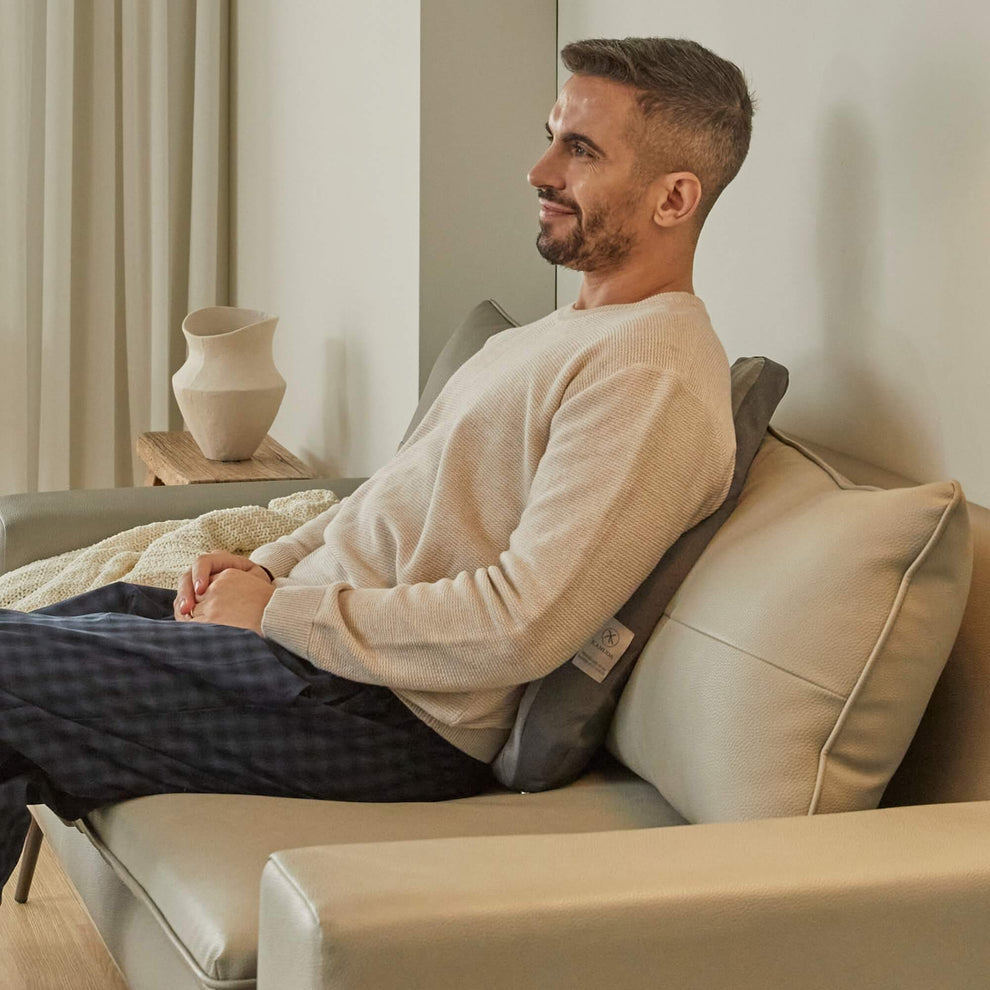
Slouching feels comfortable initially because it requires less active muscle engagement. But this comfort is deceptive. Poor posture compounds over time, creating habits that become increasingly difficult to break. A lumbar cushion provides passive correction. The physical presence of support behind the lower back makes slouching uncomfortable, and proper posture is the path of least resistance. Users naturally sit more upright without conscious effort.
Long-term Prevention of Chronic Back Pain
Research supports the preventive value of proper lumbar support. A study found that using a dynamic seat cushion for 6 months significantly reduced the risk of neck pain by approximately 40% and of lower back pain by approximately 50% among high-risk office workers. Prevention costs far less than treatment. Compare that to physical therapy sessions, medication, or lost workdays from chronic pain.
Comparing Cushion Types and Materials
Memory Foam vs. Inflatable Supports
Memory foam cushions conform to body contours and maintain consistent support throughout the day. They work well for users who want a set-it-and-forget-it solution. The material responds to body heat, softening where pressure is greatest. Inflatable cushions offer adjustability that foam cannot match. Users control firmness by adding or releasing air. This makes them ideal for people whose support needs vary or who share a workspace with others. Travel-friendly designs deflate for easy packing. Both types have drawbacks. Memory foam retains heat and may feel too warm for some users. Inflatable cushions require occasional adjustment and can develop leaks over time.
The Role of Adjustable Straps and Breathable Mesh
Straps prevent the cushion from sliding down as you shift position. This feature matters more than many buyers realize. A cushion that constantly needs repositioning defeats its purpose and eventually gets abandoned in a closet. Breathable mesh covers address the heat retention problem common with dense foam cushions. Air circulates through the material, keeping the back cooler during long sitting sessions. Look for cushions with removable, washable covers for hygiene.
When a Cushion Might Not Be Enough
The Importance of Ergonomic Chair Design
Lumbar cushions compensate for poor chair design, but they cannot fix every problem. Seat depth, armrest height, and overall chair dimensions all affect spinal health. A cushion supporting the lower back cannot correct a seat that's too deep or armrests that force shoulders into awkward positions. Consider whether your chair's fundamental design works for your body. Sometimes investing in a properly fitted ergonomic chair makes more sense than adding accessories to furniture that was never designed for extended use.
Physical Therapy and Active Stretching
Static support addresses symptoms rather than root causes. Weak core muscles, tight hip flexors, and inflexible hamstrings all contribute to back problems. No cushion strengthens muscles or improves flexibility. Regular movement breaks matter as much as proper support. Stand, stretch, and walk for a few minutes every hour. For persistent back issues, consulting a healthcare provider can help identify underlying causes. Doctronic.ai provides AI-powered triage tools that connect users with licensed clinicians, guiding next steps, including home exercises or professional treatment.
Expert Verdict: Assessing the Value Proposition
Cost-Effectiveness vs. High-End Ergonomic Upgrades
A premium ergonomic chair costs $800 to $1,500 or more. A quality lumbar cushion costs under $100 and can transform an ordinary chair into a more supportive one. For budget-conscious buyers or those who use multiple seating locations, cushions offer excellent value. The math favors cushions in most scenarios. Even if you replace a cushion every two years, you'll spend a fraction of what a high-end chair costs over the same period. Portability adds value: the same cushion works at your desk, in your car, and on your couch.
Who Benefits Most from an External Support?
People with existing lower back issues often see the most dramatic improvements. The same applies to those who sit for extended periods without ergonomic support. Remote workers using dining chairs or makeshift home offices benefit significantly. Tall individuals and those with unusual proportions often struggle with standard chairs designed for average-sized bodies. A cushion offers customization that fixed furniture cannot. Those who are unsure whether their back pain warrants medical attention can start with a consultation via Doctronic.ai, which offers AI-guided symptom assessment and access to licensed telehealth providers across the U.S.
Frequently Asked Questions
Yes, reduce back pain risk by up to 50% when used consistently. They maintain spinal alignment and reduce muscle strain during prolonged sitting.
Most users notice reduced discomfort within one to two weeks of consistent use. Some experience immediate relief, while others need time to adjust to proper posture.
Absolutely. Car seats often lack adequate lumbar support. Portable cushions with straps work well for commuters and long-distance drivers.
Memory foam suits users wanting consistent, hands-off support. Inflatable cushions work better for those who prefer adjustable firmness or need a travel-friendly option.
Seek medical attention for pain lasting more than two weeks, pain radiating down the legs, numbness, or pain following an injury. Cushions help prevent mild discomfort, not serious conditions.
The Bottom Line
Lumbar support cushions are worth it for most people who sit for long hours because they help maintain the spine’s natural curve, reduce muscle fatigue, and discourage slouching. They work best when paired with a good chair setup and regular movement breaks. If back pain persists or radiates, Doctronic.ai can help assess symptoms and guide next steps.
When most people think of preeclampsia, they immediately associate it with dangerously high blood pressure during pregnancy. However, a lesser-known but equally serious [...]
Panic attacks represent some of the most frightening experiences a person can endure, striking suddenly with overwhelming physical and psychological symptoms. These intense [...]
When sleepless nights become a regular occurrence, over-the-counter sleep aids offer an accessible first line of defense against insomnia. Nearly one-third of adults [...]


 Key Benefits of Using a Lumbar Cushion