Lower Spine Pain: Why It Happens and How to Treat It
Key Takeaways
Lower spine pain affects approximately 620 million people worldwide as of 2023 and stems from mechanical, degenerative, or lifestyle-related causes
The lumbar vertebrae and intervertebral discs work together to support body weight and protect nerve roots
Sedentary behavior, poor posture, and improper lifting are major contributors to spinal pressure
Non-surgical treatments like physical therapy, medications, and alternative therapies resolve most cases
Core strengthening and ergonomic improvements provide long-term protection against recurring pain
Common Causes of Low Back Pain: From Muscle Strain to Degeneration
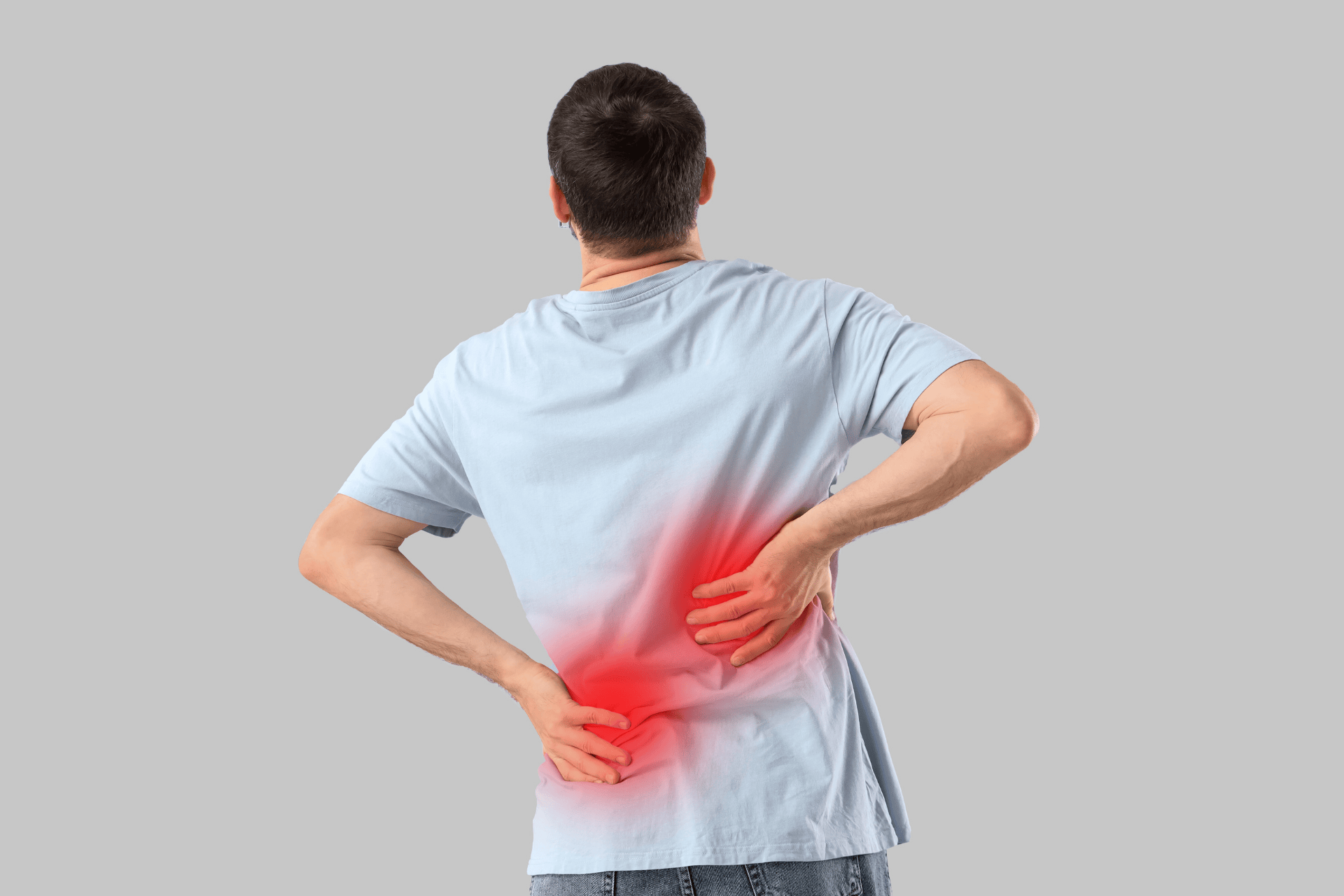
Lower spine pain ranks among the most common health complaints adults face. Low back pain affected 620 million people globally in 2023, with projections reaching 843 million by 2050. That staggering number explains why understanding the causes and treatments matters so much. Whether the discomfort comes from a pulled muscle, a degenerative condition, or poor daily habits, the path to relief starts with knowing what's happening inside the body. Doctronic.ai helps people understand their symptoms and connect with medical professionals who can guide treatment decisions.
Understanding the Anatomy of the Lower Spine
The lower back is an engineering marvel that balances flexibility with strength. This region handles tremendous stress every single day.
The Role of the Lumbar Vertebrae
Five lumbar vertebrae make up the lower spine, labeled L1 through L5. These bones are the largest in the spinal column because they carry the most weight. They protect the spinal nerves rather than the spinal cord itself, which typically ends near the L1–L2 level in adults. When these vertebrae become damaged or misaligned, pain follows quickly.
Intervertebral Discs and Nerve Roots
Between each vertebra sits a disc filled with gel-like material. These discs act as shock absorbers and prevent bones from grinding together. Nerve roots branch out from the spinal cord through small openings near these discs. When a disc bulges or ruptures, it can press against these nerves and cause shooting pain down the legs.
Common Causes of Lower Back Discomfort
Most lower spine pain falls into three categories: mechanical injuries, degenerative conditions, and nerve-related problems.
Mechanical Strains and Muscle Tears
The most frequent cause of back pain is simply overdoing it. Lifting something too heavy, moving awkwardly, or exercising without proper form tears muscle fibers and strains ligaments. These injuries heal within weeks with rest and basic care. The pain feels like a dull ache that worsens with movement.
Degenerative Conditions like Arthritis and Osteoporosis
Age brings wear and tear to spinal structures. Arthritis causes inflammation in the joints between vertebrae, making movement painful and stiff. Osteoporosis weakens bones, increasing fracture risk. The global chronic lower back pain market is projected to reach USD 11.2 billion by 2035, underscoring the widespread prevalence of these conditions.
Herniated Discs and Sciatica
When the soft center of a spinal disc pushes through its outer layer, it creates a herniation. This bulging material often presses on nearby nerves. Sciatica describes the specific pain pattern that runs from the lower back down through the buttocks and leg. The sensation ranges from mild tingling to severe, burning pain.
Lifestyle Factors Contributing to Spinal Pressure
Daily habits play a huge role in spinal health. Small changes in how people sit, stand, and move make a big difference.
The Impact of Sedentary Behavior and Posture
Sitting for hours weakens the muscles that support the spine. Poor posture while sitting, like slouching or hunching forward, places extra stress on lumbar discs. Office workers who spend eight or more hours at desks face higher rates of chronic back problems. Standing desks and regular movement breaks help counter these effects.
Improper Lifting Techniques and Physical Overexertion
Bending at the waist instead of the knees puts tremendous pressure on the lower back. Twisting while holding heavy objects multiplies that stress. Weekend warriors who push too hard after sedentary weeks often end up with painful injuries. Learning proper form prevents most lifting-related back problems.
Diagnostic Approaches for Lower Back Issues
Getting the right diagnosis guides treatment decisions. Doctors use several methods to pinpoint the source of pain.
Physical Examinations and Symptom Mapping
A thorough exam includes checking the range of motion, testing reflexes, and identifying tender spots. Doctors ask about when the pain started, what makes it worse, and where it travels. This information narrows down possible causes before any imaging takes place. Doctronic.ai offers AI-powered assessments that help patients describe their symptoms clearly before visiting a healthcare provider.
Imaging Tests: X-rays, MRIs, and CT Scans
X-rays show bone problems like fractures, arthritis, or alignment issues. MRIs reveal soft tissue damage, including herniated discs, muscle tears, and nerve compression. CT scans provide detailed images of bones and help plan surgical procedures. Not every patient needs imaging, as many cases resolve without knowing the exact structural cause.
Effective Non-Surgical Treatment Options
The vast majority of lower back pain responds well to conservative treatments. Surgery remains a last resort for most people.
Physical Therapy and Corrective Exercises
Physical therapists design programs that strengthen weak muscles and stretch tight ones. They teach proper movement patterns that reduce spinal strain. Exercises targeting the core muscles provide the most benefit for long-term relief. Consistency matters more than intensity when building lasting strength.
Medications and Topical Pain Relief
Over-the-counter anti-inflammatory drugs reduce swelling and ease pain. Muscle relaxants help when spasms contribute to discomfort. Topical creams containing menthol or capsaicin provide temporary relief without systemic side effects. Prescription medications may be needed for severe cases, but doctors limit their use to avoid dependence. Opioids are rarely recommended for chronic lower back pain under the 2025 CDC guidelines due to limited long-term benefit and high risk of dependency.
Alternative Therapies: Chiropractic and Acupuncture
Chiropractic adjustments realign spinal joints and reduce nerve irritation. Many patients report significant improvement after a series of treatments. Acupuncture stimulates specific points that may reduce pain signals and promote healing. Both approaches work best as part of a broader treatment plan rather than standalone solutions.
When to Consider Surgical Intervention
Surgery becomes necessary when conservative treatments fail after several months or when nerve damage threatens permanent harm. Red flags include progressive weakness in the legs, loss of bladder or bowel control, or pain that prevents sleep despite medication. Procedures range from minimally invasive disc repairs to spinal fusion for severe instability. Consulting with specialists through telehealth platforms like Doctronic.ai helps patients understand when surgery makes sense for their specific situation.
Preventative Strategies for Long-Term Spinal Health
Prevention costs far less than treatment, both in money and suffering. Building good habits protects the spine for decades.
Ergonomic Improvements for Work and Home
Desk chairs should support the natural curve of the lower back. Computer monitors belong at eye level to prevent forward head posture. Standing workstations allow position changes throughout the day. Even small adjustments like proper pillow height during sleep reduce cumulative stress on spinal structures.
Core Strengthening and Flexibility Routines
Strong abdominal and back muscles act like a natural brace for the spine. Planks, bridges, and bird-dogs target these stabilizing muscles effectively. Flexibility exercises for the hips and hamstrings reduce pulling forces on the lower back. A consistent routine of just 15 minutes daily provides meaningful protection against future pain episodes.
Frequently Asked Questions
Most acute episodes resolve within two to six weeks with basic self-care. Chronic pain lasting more than three months requires professional evaluation and structured treatment.
Yes. Stress triggers muscle tension throughout the body, including the back. Chronic stress also increases inflammation and slows healing from injuries.
Seek medical attention immediately if pain follows an injury, includes numbness or weakness, or accompanies fever. Pain lasting more than two weeks without improvement also warrants evaluation.
Extra body weight increases pressure on spinal structures with every step. Losing even 10-15 pounds often reduces pain significantly for overweight individuals.
The Bottom Line
Lower spine pain affects hundreds of millions of people, but most cases respond well to understanding the cause and applying the right treatment approach. Building core strength, maintaining good posture, and addressing problems early prevent most chronic back issues. For quick answers about back pain symptoms and treatment options, visit Doctronic.ai for free AI-powered consultations or affordable video visits with licensed doctors available 24/7.
Understanding Emotional Wellness Through DBTEmotions feel overwhelming when they seem to control every decision. Dialectical Behavior Therapy offers practical techniques for [...]
Getting Skin Care Without the Insurance HeadachesThat suspicious mole has been bothering you for weeks. You want answers from a dermatologist, but a quick call to your [...]
Why Ankles Swell After Physical ActivityFinishing a workout with puffy, tight ankles can be alarming. Most people assume something is wrong, but bloated ankles after exercise [...]


 Lifestyle Factors Contributing to Spinal Pressure