Kyphosis exercises can help reduce discomfort and improve posture, but they cannot fully halt or reverse structural spinal curvature
Stretching the chest and strengthening the upper back work together to correct rounded shoulders
Daily habit changes, like adjusting screen height, are just as important as formal exercise
Most postural kyphosis responds well to targeted movement, but structural cases need professional guidance
A sustainable routine of 15-20 minutes daily beats occasional intense sessions
Understanding Kyphosis and Its Impact on Posture
That rounded upper back, hunched forward, isn't just an aesthetic concern. Kyphosis, an excessive forward curvature of the thoracic spine, affects millions of people and worsens without intervention. Hyperkyphosis affects approximately 20% to 40% of adults over age 60, with women experiencing faster progression, especially during menopause. The good news? Targeted exercises to improve posture can make a real difference. Doctronic.ai provides guidance on whether your symptoms require professional evaluation or can be managed with home exercise programs.
The Difference Between Postural and Structural Kyphosis
Postural kyphosis develops from poor habits: slouching at desks, looking down at phones, and weak back muscles. This type responds extremely well to exercise because no permanent bone changes have occurred. Structural kyphosis involves actual changes to the vertebrae, such as Scheuermann's disease, where vertebrae become wedge-shaped. Adolescents with Scheuermann’s kyphosis between 55 and 80 degrees may benefit from bracing if treatment begins before skeletal maturity, though success varies based on curve severity and compliance. Knowing which type you have determines your treatment approach.
Common Symptoms and Long-term Health Effects
Beyond the visible hump, kyphosis causes neck pain, shoulder tension, and reduced lung capacity from compressed chest space. Many people experience fatigue because their muscles work overtime to hold up their head. Left untreated, severe cases lead to chronic pain, breathing difficulties, and balance problems that increase fall risk in older adults.
Essential Stretching Exercises for Thoracic Mobility
Tight chest muscles and stiff thoracic vertebrae pull the shoulders forward. Breaking this pattern requires consistent stretching that opens the front body while mobilizing the upper spine. Exercise can help modestly reduce the thoracic kyphosis angle and improve posture-related function, and both strengthening and stretching could be useful.
Doorway Chest Stretches to Open the Anterior Chain
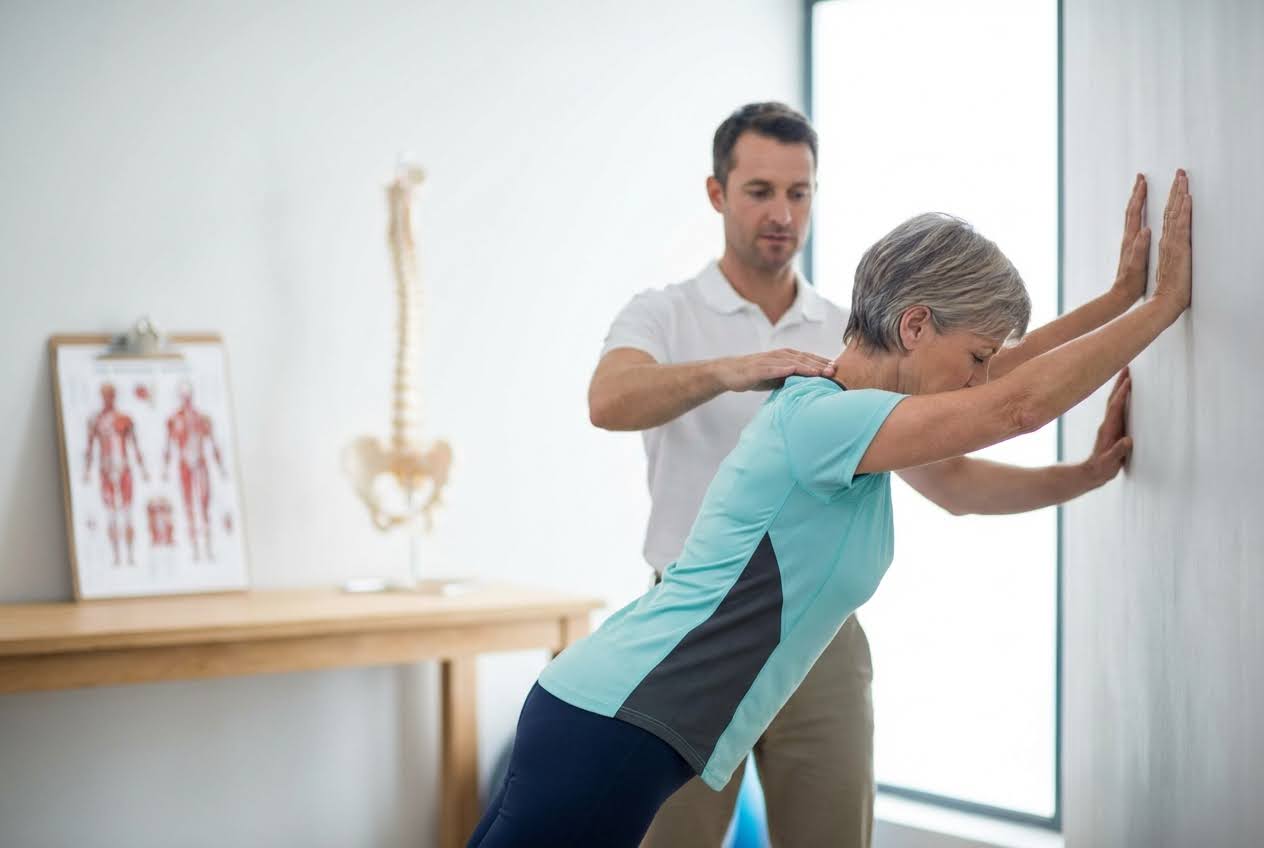
Stand in a doorway with forearms placed on each side of the frame, elbows at shoulder height. Step one foot forward and lean through the doorway until a stretch spreads across the chest. Hold for 30 seconds, breathing deeply. Perform this three times daily. Varying the elbow height targets different portions of the pectoralis muscles.
Cat-Cow Pose for Spinal Flexibility
Start on hands and knees with wrists under shoulders and knees under hips. Inhale while dropping the belly toward the floor, lifting the head and tailbone. Exhale while rounding the spine toward the ceiling, tucking the chin. Move slowly through 10-15 repetitions, focusing on articulating each vertebra. This exercise restores mobility to stiff thoracic segments.
Foam Rolling Techniques for the Upper Back
Place a foam roller horizontally under the upper back. Support the head with interlaced fingers and keep hips lifted. Roll slowly from mid-back to shoulder blade level, pausing on tight spots for 20-30 seconds. Avoid rolling the lower back or neck. This technique releases muscle tension and temporarily improves thoracic extension.
Strengthening the Posterior Chain and Core
Stretching alone won't fix kyphosis. The muscles that pull the shoulders back and hold the spine upright need strengthening. Kyphosis-specific exercises can help slow progression and improve posture, particularly in postural cases.
Scapular Squeezes and Rhomboid Activation
Sit or stand with arms at sides. Squeeze shoulder blades together as if holding a pencil between them. Hold for five seconds, then release. Perform 15-20 repetitions, three sets. This simple exercise activates the rhomboids and middle trapezius, muscles that become weak and lengthened in kyphotic postures. Users of Doctronic.ai can track their exercise consistency and discuss progress during telehealth visits.
Prone Y-T-W Extensions for Mid-Back Strength
Lie face down with arms extended overhead. Lift arms into a Y position, squeezing shoulder blades together. Lower and repeat in T position with arms out to sides. Finally, form a W by bending elbows and pulling them toward the waist while lifting. Perform 10 repetitions of each letter. These movements target the entire posterior shoulder and upper back.
Chin Tucks to Correct Forward Head Posture
Forward head posture accompanies kyphosis in most cases. Sit tall and gently draw the chin straight back, creating a double chin. Hold for five seconds. This strengthens the deep neck flexors while stretching tight suboccipital muscles at the skull base. Perform 10-15 repetitions several times daily, especially after prolonged sitting.
Daily Habit Modifications and Ergonomic Adjustments
Exercise sessions matter, but the other 23 hours determine whether progress sticks. Poor daily habits undo the benefits of even the best exercise routine.
Optimizing Your Workspace for Spinal Alignment
Position the monitor so the top of the screen sits at eye level. Keep the keyboard close enough that elbows stay bent at 90 degrees without reaching forward. Feet should rest flat on the floor with knees at hip height. A small lumbar support maintains the lower back curve, which helps the thoracic spine stay neutral. Stand and move every 30-45 minutes.
Combating 'Tech Neck' During Mobile Device Use
Bring the phone to eye level rather than dropping the head to look down. Use a tablet stand when reading or watching videos. Voice-to-text reduces typing time. These small changes prevent the hours of forward head posture that accelerate kyphosis development in younger populations.
Safety Guidelines and Consistency for Long-term Correction
Posture correction takes months, not days. Understanding when to push forward and when to seek help prevents injury and frustration.
When to Consult a Physical Therapist
Seek professional evaluation if pain accompanies the curvature, if numbness or tingling occurs in the arms, or if the curve appears to worsen despite exercise. Anyone over 60 with significant kyphosis should get a bone density test to rule out compression fractures. Doctronic.ai provides 24/7 telehealth access to discuss symptoms with licensed physicians who can determine if imaging or specialist referral is needed.
Creating a Sustainable Weekly Exercise Routine
Aim for 15-20 minutes of targeted exercises daily rather than longer sessions a few times weekly. Consistency beats intensity for postural correction. A practical schedule includes stretching in the morning, strengthening exercises three times weekly, and chin tucks throughout the day. Track progress by taking monthly posture photos from the side.
Frequently Asked Questions
Most people notice reduced pain and improved mobility within 4-6 weeks. Visible postural changes may take 3-6 months of consistent effort, depending on the type and severity of kyphosis.
Yes. While older adults may see slower progress, exercise remains the primary non-surgical treatment. Strengthening reduces fall risk and improves breathing capacity regardless of age.
Mild muscle soreness is normal, but sharp pain, numbness, or increased symptoms indicate a problem. Stop any exercise that causes pain and consult a healthcare provider before continuing.
Stretching works best when done daily or even multiple times daily. Short, frequent sessions outperform occasional long sessions for improving flexibility and posture.
The Bottom Line
Targeted kyphosis exercises combining chest stretches and upper back strengthening can help manage symptoms and improve posture, particularly for postural kyphosis, when performed consistently. Daily habit changes and ergonomic adjustments multiply the benefits of formal exercise, making sustainable routines more effective than intensive occasional efforts. For personalized guidance on your posture concerns, visit Doctronic.ai for free AI-powered health assessments or affordable telehealth visits with licensed physicians available around the clock.
Idiopathic intracranial hypertension (IIH), formerly known as pseudotumor cerebri, is a neurological condition where pressure inside the skull increases without any [...]
When anxiety hits suddenly, it can feel overwhelming and out of control. Your heart races, your breathing becomes shallow, and your mind spirals with worried thoughts. The [...]
Sleep apnea affects millions worldwide, causing interrupted breathing during sleep and leading to serious health complications when untreated. As families often notice [...]


 Essential Stretching Exercises for Thoracic Mobility