
Kratom Withdrawal Insomnia and Anxiety

Medically reviewed by Alan Lucks | MD, Alan Lucks MDPC Private Practice - New York on November 9th, 2026.
Published on November 3rd, 2026. Updated on November 9th, 2026.
Key takeaways
Trouble sleeping, restlessness and anxiety are common symptoms when someone stops regular kratom use.
For most people in one study, withdrawal symptoms cleared within 1 to 3 days. Heavy or long use, and concentrated 7-OH products, can make withdrawal longer.
A steady sleep routine, a quiet, cool bedroom and no caffeine late in the day can help.
Using kratom to calm anxiety can keep the cycle going.
Talk to a licensed doctor if you can't sleep for several nights, or if anxiety gets in the way of your day.
The benefits of kratom are not supported by strong clinical evidence. Doctronic can help you explore evidence-based alternatives.
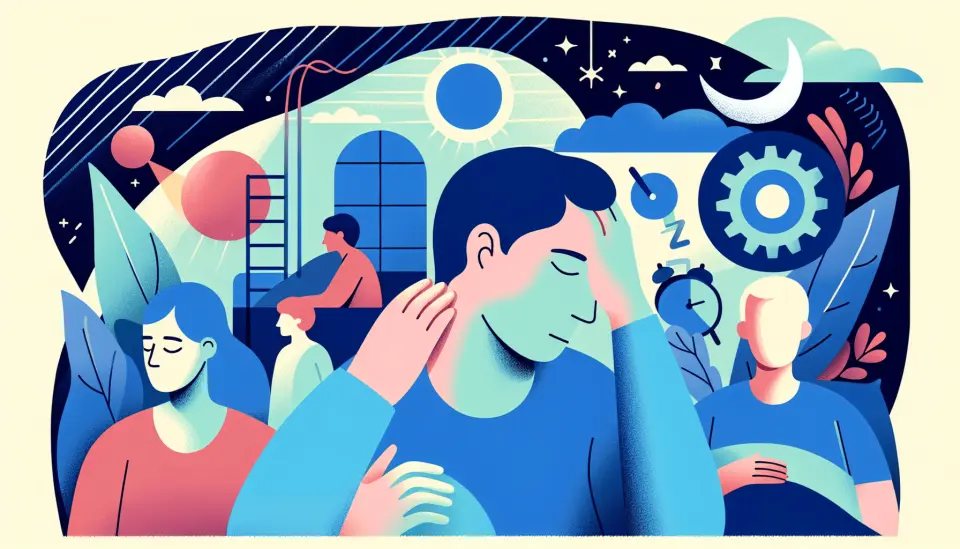
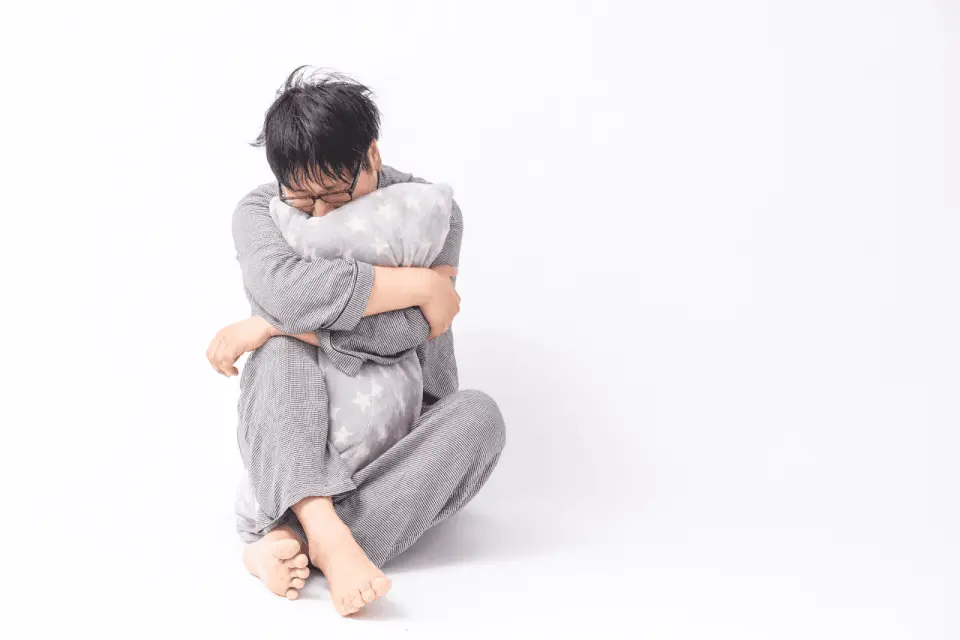
Insomnia and anxiety are two of the hardest parts of kratom withdrawal. For most people they ease as other symptoms fade, but they can take longer after heavy use. A steady sleep routine, no late caffeine and a few calming habits can help until they do.
Why withdrawal disrupts sleep and mood
Kratom's main compounds act on the same receptors in the brain as opioids. After regular use, the body adjusts to having kratom around. When you stop, it has to readjust, and the result can look like a milder form of opioid withdrawal.
In a survey of 293 people who used kratom regularly, trouble sleeping was one of the main physical symptoms of withdrawal. Restlessness, tension, nervousness, anger and sadness were the main mood symptoms. Other studies list anxiety, irritability, poor concentration and low mood.
Physical symptoms make sleep harder too. Muscle aches, hot flashes, a runny nose and diarrhea can all wake you up at night.
Some people use kratom to calm anxiety. Kratom isn't approved by the FDA for any use, including anxiety. And because anxiety is also a withdrawal symptom, using kratom to ease it can keep you in the cycle of use and withdrawal.
How long it lasts
No study has looked at how long sleep problems alone last after stopping kratom. For most people with kratom dependence in one study, withdrawal symptoms cleared within 1 to 3 days.
It can last longer after higher doses or longer use. Reports describe long-lasting withdrawal after concentrated 7-OH products. If you're not sure what to expect, see the kratom withdrawal timeline.
Sleep tips that help
These CDC sleep habits help most people, and they're worth leaning on during withdrawal:
Keep the same times. Go to bed and get up at the same time every day, even after a bad night.
Make the room work for sleep. Keep your bedroom quiet, relaxing and cool.
Put screens away. Stop using phones and other devices at least 30 minutes before bed.
Cut caffeine after lunch. Coffee, tea, energy drinks and soda later in the day can keep you up.
Eat light at night. A large meal close to bedtime can make it harder to settle.
Move during the day. Regular exercise, even a walk, can help you sleep.
Drink plenty of fluids too, especially if you have diarrhea or are sweating. Losing fluids is one of the main risks of opioid-type withdrawal.
Managing anxiety
Withdrawal anxiety usually eases as your body readjusts. Until it does, a few things can take the edge off:
Slow your breathing. A few minutes of slow, steady breaths can calm a racing mind.
Get moving. The same daytime walk that helps sleep can burn off restless energy.
Talk to someone. Tell a friend or family member what you're going through, or find a support group.
The SAMHSA National Helpline at 1-800-662-4357 is free, confidential and open 24 hours a day, 365 days a year. It doesn't give counseling, but it can refer you to treatment, support groups and community services in your area.
If you have thoughts of harming yourself, call or text 988, the Suicide & Crisis Lifeline.
When to talk to a clinician
Talk to a licensed doctor if any of these apply:
You can't sleep for several nights in a row.
Anxiety is getting in the way of work or family.
You've used large amounts of kratom or 7-OH products.
You have depression, an anxiety disorder or another health condition that withdrawal may make worse.
No medicine is FDA-approved for kratom withdrawal, but a doctor may suggest options for specific symptoms. Read more about medications for kratom withdrawal.
Call 911 for trouble breathing, a seizure, chest pain or fainting.
See a doctor online today
A licensed doctor can talk through your sleep and anxiety symptoms by video and, if you need it, refer you to addiction care. Doctronic doesn't provide addiction treatment.
- $39 video visit
Is it worth another week of 3am wake-ups and a clinic bill to find out what's normal? Ask Doctronic first. The medical AI chat is free, and a video visit with a licensed doctor is $39.
Doctronic doesn't treat addiction, but a doctor can help with symptoms and refer you to addiction care. You can also get support for kratom withdrawal.
Frequently Asked Questions
No. The CDC advises avoiding alcohol before bed. Alcohol and kratom together also add to the risk of heavy sedation and slowed breathing.
It's best not to. Going back to kratom restarts the cycle of use and withdrawal, and relapse is a real risk at this stage. If you can't sleep, talk to a licensed doctor about a plan instead.
Ask a licensed doctor or pharmacist first, and tell them you've been using kratom. Kratom can interact with other medicines, and some sleep aids add to drowsiness.
The Bottom Line
Insomnia and anxiety during kratom withdrawal are common, and for most people they ease as other withdrawal symptoms fade. A steady sleep routine, less caffeine and a few calming habits can help in the meantime. If sleep or anxiety doesn't improve, or you've been using a lot of kratom or 7-OH, talk to a licensed doctor.
Related articles
Can't sleep during kratom withdrawal?
Chat Now