Symptoms and Diagnosis
Understanding Compulsive Skin Picking: Causes, Symptoms, and Treatment
January 23, 2026
2 min read

Medically reviewed by Alan Lucks | MD, Alan Lucks MDPC Private Practice - New York on February 21st, 2026.
Published on January 29th, 2026. Updated on September 11th, 2026.
Dermatillomania is a complex mental health condition affecting approximately 2-5.4% of people
Multiple treatment approaches can help manage skin picking behaviors
Professional support is crucial for long-term recovery
Cognitive behavioral techniques can significantly reduce compulsive skin picking
Skin picking, medically known as dermatillomania, is a challenging condition that goes beyond simple habit. It's a complex disorder that can significantly impact a person's physical and mental well-being. Many individuals struggle silently with this condition, feeling embarrassed or unable to control their impulses.
Understanding the root causes and developing effective management strategies can help individuals regain control and improve their quality of life. With proper support and treatment, people can learn to manage their obsessive-compulsive disorder related skin picking behaviors.
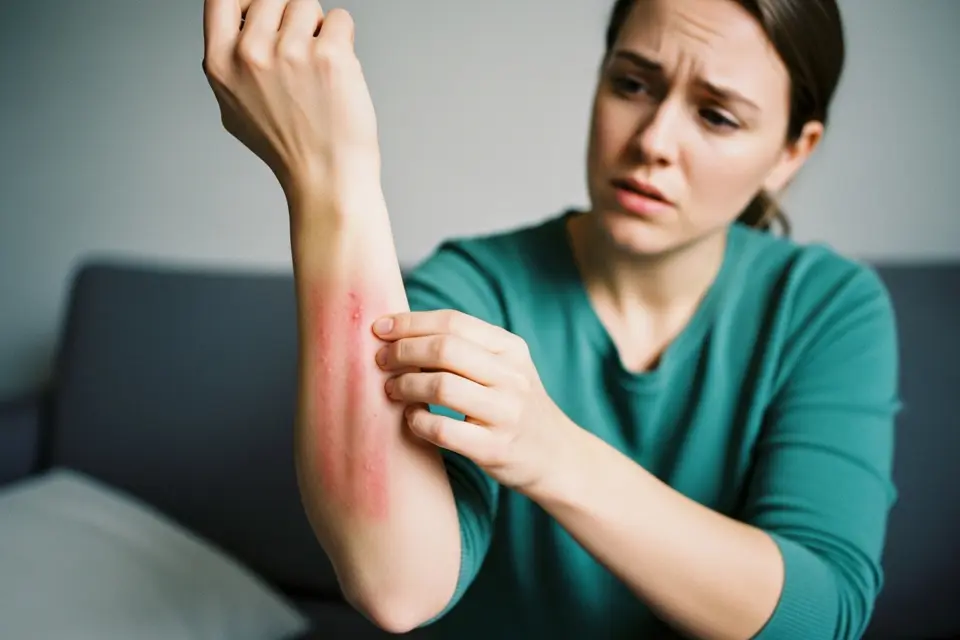
Dermatillomania is more than just a bad habit. It's a recognized mental health condition where individuals compulsively pick, scratch, or manipulate their skin, often causing significant damage. People with this condition might target specific areas with perceived imperfections, such as acne, scabs, or eczema patches.
Many factors contribute to skin picking behavior. Stress, anxiety, and underlying mental health conditions can trigger compulsive skin picking. Some individuals use skin picking as a coping mechanism for emotional distress, while others might experience a temporary sense of relief or control.
Repeated skin picking can lead to serious physical complications. Open wounds, scarring, and potential infections are common risks. Emotionally, individuals often experience shame, anxiety, and social withdrawal, creating a challenging cycle of behavior and negative feelings.
Cognitive behavioral therapy (CBT) is highly effective in treating dermatillomania. This approach helps individuals identify triggers, develop coping strategies, and modify destructive thought patterns.
In some cases, mental health professionals might recommend medications to address underlying anxiety or mental health prescription needs.
Approach |
Effectiveness |
Time Investment |
Professional Support |
|---|---|---|---|
CBT |
High |
Moderate |
Required |
Medication |
Moderate-High |
Low |
Required |
Self-Help Techniques |
Low-Moderate |
High |
Optional |
Habit Reversal Training |
Moderate |
Moderate |
Recommended |
Identify and avoid triggers
Use stress management techniques
Keep hands busy with alternative activities
Practice mindfulness
Seek professional support
Skin picking can result from stress, anxiety, and underlying mental health conditions.
Yes, with professional help and consistent management strategies, individuals can significantly reduce skin picking behaviors.
Treatment duration varies, but most people see improvements within 3-6 months of consistent therapy.
Medications can help manage underlying conditions that contribute to skin picking.
Skin picking can be associated with anxiety, OCD, and other mental health conditions.
Managing dermatillomania requires patience, professional support, and a comprehensive approach. Each individual's journey is unique, and finding the right combination of strategies is key to recovery.
Ready to meet your AI doctor? Get started with Doctronic today.
Get skin care advice
Chat Now
Join 50,000+ readers using Doctronic to understand symptoms, medications,
and next steps.
Add your phone number below to get health updates and exclusive VIP offers.
By providing your phone number, you agree to receive SMS updates from Company. Message and data rates may apply. Reply “STOP” to opt-out anytime. Read our Privacy Policy and Terms of Service for more details.
Save your consults. Talk with licensed doctors and manage your health history.