
Hand Eczema: Causes, Symptoms, and Best Treatments

Medically reviewed by Alan Lucks | MD, Alan Lucks MDPC Private Practice - New York on December 19th, 2025.
Published on December 19th, 2025. Updated on July 23rd, 2026.
Key takeaways
Hand eczema is a common skin condition causing redness, dryness, itching, and discomfort on the hands.
It can result from irritants, allergens, genetics, or a combination of factors.
Recognizing symptoms early helps manage flare-ups and prevent worsening.
Effective treatments include moisturizers, topical medications, and avoiding triggers.
Telehealth services like Doctronic.ai offer quick, affordable access to expert care for hand eczema.
Understanding Hand Eczema and Its Causes
Hand eczema, also known as hand dermatitis, affects millions of people worldwide. It is a condition where the skin on the hands becomes inflamed, cracked, and itchy. Given how much we use our hands daily, this condition can interfere with everyday activities and reduce quality of life.
Several factors can cause or worsen hand eczema. The most common causes include:
Irritant Contact Dermatitis
This occurs when the skin is repeatedly exposed to substances that damage its protective barrier. Common irritants include soaps, detergents, solvents, and frequent hand washing. People in certain jobs, such as healthcare workers, cleaners, or hairdressers, are more prone to this type. The constant exposure to these irritants can lead to a cycle of inflammation, making the skin more susceptible to further damage and infection. It is essential for those at risk to adopt protective measures, such as wearing gloves, to minimize contact with harmful substances.
Allergic Contact Dermatitis
In this case, the immune system reacts to specific allergens, such as nickel, fragrances, or latex. The reaction leads to inflammation and symptoms similar to irritant dermatitis but is triggered by an allergy rather than direct irritation. Identifying and avoiding these allergens is crucial in managing symptoms. Patch testing by a dermatologist can help pinpoint the specific substances responsible for the allergic reaction, allowing individuals to make informed choices about the products they use.
Atopic Dermatitis
Individuals with a history of eczema, asthma, or hay fever may develop hand eczema as part of atopic dermatitis. This form is linked to genetic factors and a tendency toward dry, sensitive skin. The interplay of genetics and environmental triggers can exacerbate symptoms, making it vital for those affected to maintain a consistent skincare routine. Regularly moisturizing the hands with emollients can help restore the skin barrier and reduce flare-ups.
Other causes can include fungal infections or exposure to extreme weather conditions. Cold, dry air can strip moisture from the skin, while hot, humid environments may lead to sweating and irritation. Understanding the root cause is essential for effective treatment. Lifestyle adjustments, such as using a humidifier in dry climates or wearing protective gear during extreme weather, can significantly improve skin health. Stress management techniques, like mindfulness and relaxation exercises, can also play a role in reducing flare-ups, as stress is known to trigger or worsen eczema symptoms.
Recognizing Symptoms of Hand Eczema
Symptoms of hand eczema can vary from mild to severe. Early recognition helps in managing the condition before it worsens. Understanding the signs and symptoms is crucial for individuals who may be susceptible to this condition, as it allows for timely intervention and treatment, potentially preventing more serious complications.
Common Signs to Watch For
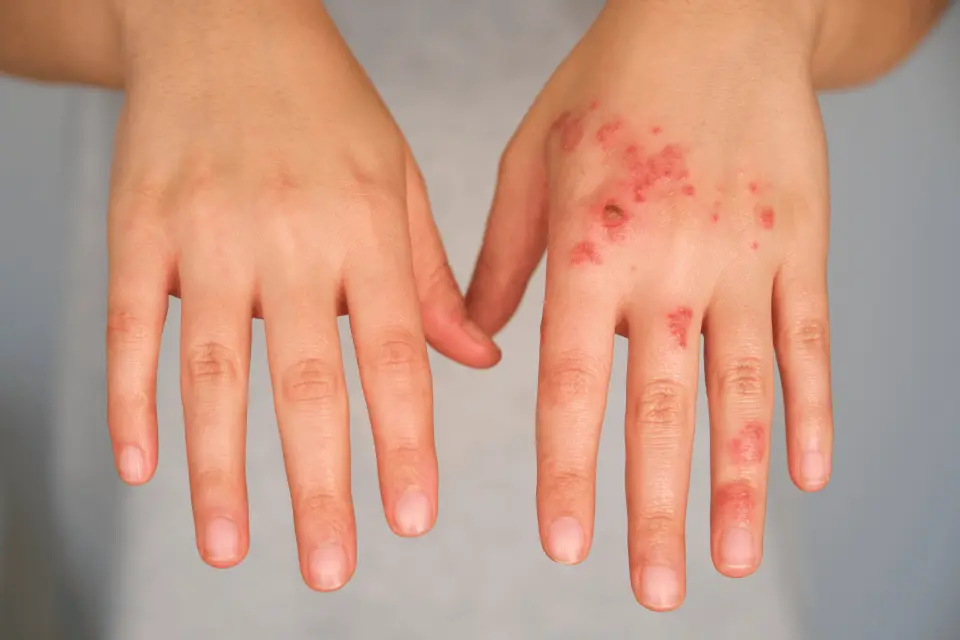
Redness and inflammation: The skin looks irritated and swollen.
Itching and burning: Persistent itching can lead to scratching, worsening the skin damage.
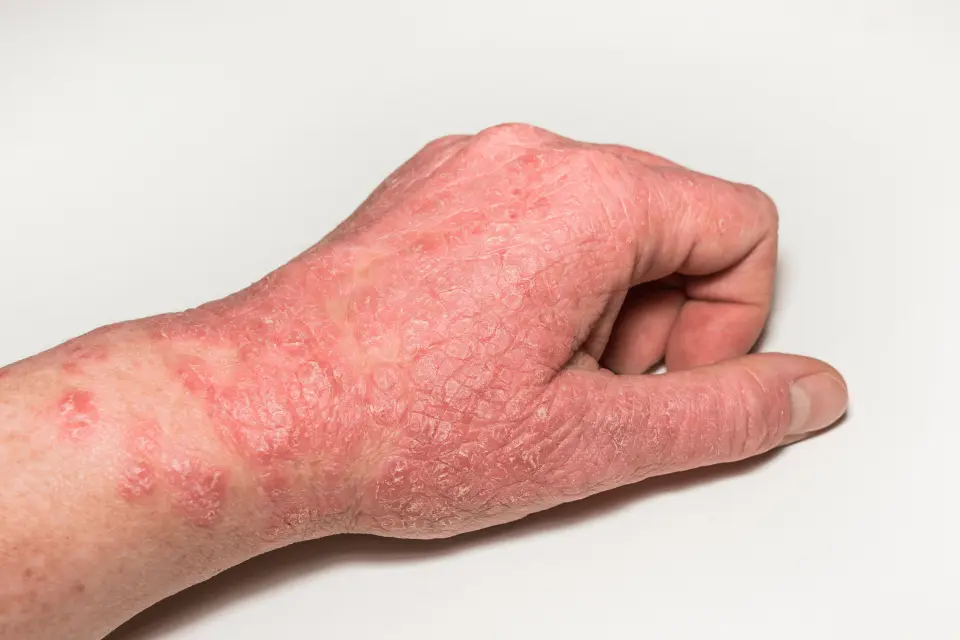
Dryness and cracking: The skin may become flaky, rough, and develop painful cracks.
Blisters or oozing: In some cases, small blisters form and may leak fluid.
Thickened skin: Chronic eczema can cause the skin to thicken and become leathery.
These symptoms often appear on the palms, fingers, and backs of the hands. They may flare up periodically, especially after exposure to triggers. Common triggers include frequent handwashing, exposure to harsh chemicals, and even certain fabrics. It's important to note that individuals with a history of allergies or asthma may be at a higher risk of developing hand eczema, making awareness of these symptoms even more critical for early diagnosis and management.
In addition to the physical symptoms, hand eczema can also have psychological effects, leading to feelings of frustration or embarrassment due to the visible nature of the condition. Many individuals may find themselves avoiding social situations or activities that require hand use, such as cooking or gardening, due to the discomfort or appearance of their hands. This can lead to a cycle of emotional distress and worsening symptoms, emphasizing the importance of not only recognizing the physical signs but also seeking support and treatment options to address both the physical and emotional aspects of living with hand eczema.
 Effective Treatments for Hand Eczema
Treating hand eczema involves a combination of self-care measures and medical treatments. The goal is to reduce inflammation, repair the skin barrier, and prevent flare-ups.
Daily Skin Care and Avoiding Triggers
Moisturize frequently: Use fragrance-free, thick emollients multiple times a day to keep skin hydrated.
Protect your hands: Wear gloves when handling water, chemicals, or irritants.
Avoid harsh soaps: Use mild cleansers and lukewarm water for washing.
Identify and avoid allergens: Patch testing may help find specific triggers.
Medications and Therapies
For more severe or persistent cases, medical treatment is often necessary:
Topical corticosteroids: These reduce inflammation and itching. They should be used under medical guidance to avoid side effects.
Calcineurin inhibitors: Non-steroidal creams that help control inflammation, especially for sensitive skin areas.
Antihistamines: May relieve itching, particularly at night.
Phototherapy: Controlled exposure to ultraviolet light can help some patients.
Systemic treatments: In rare, severe cases, oral medications or biologics might be prescribed.
When to Consult a Healthcare Provider
If symptoms persist despite home care, worsen rapidly, or interfere with daily life, seeking professional advice is important. Telehealth platforms like Doctronic.ai provide convenient access to medical professionals who can offer diagnosis, treatment plans, and prescriptions without the need for in-person visits.
Talk to a doctor about hand eczema
Connect with a licensed doctor online to talk through your symptoms, understand your treatment options, and find out which medications may be available through telehealth.
- $39 video visit
- Insurance accepted
- 4.8 on Trustpilot
Managing Hand Eczema with Telehealth
Accessing care for hand eczema can be challenging due to busy schedules or limited local options. Telehealth services have transformed how patients receive care, making expert advice just a few clicks away.
Benefits of Using Doctronic.ai for Hand Eczema
Fast and convenient: Get an AI-powered initial diagnosis instantly, followed by video visits with licensed doctors available 24/7.
Affordable care: Telehealth visits typically cost less than $40, making treatment accessible.
Personalized attention: Doctronic’s AI remembers your history and provides tailored recommendations.
Wide availability: Services are offered across all 50 states, eliminating geographical barriers.
Using telehealth for hand eczema can speed up treatment, reduce discomfort, and help prevent complications.
Living Well with Hand Eczema
While hand eczema can be persistent, many people manage it effectively with the right strategies. Consistent skin care, avoiding triggers, and timely treatment are key. Support from healthcare providers, including telehealth options like Doctronic.ai, makes managing this condition easier than ever.
Remember, your hands are essential tools for daily life. Taking care of your skin protects not only your health but also your ability to work, play, and connect with others.
Frequently Asked Questions
No, hand eczema is not contagious. It results from skin irritation or allergic reactions, not from infections that spread between people.
There is no permanent cure for hand eczema, but it can be controlled with proper treatment and lifestyle changes. Many people experience long periods without symptoms.
Yes, avoid harsh soaps, detergents, and products with fragrances or alcohol. Protective gloves and gentle cleansers help reduce irritation.
If your symptoms are severe, worsening, or not improving with home care, it’s important to consult a healthcare provider. Telehealth services like Doctronic.ai offer quick access to expert advice.
Stress can trigger or worsen eczema flare-ups by affecting the immune system and skin barrier. Managing stress is an important part of overall care.
Related articles
Check symptoms of hand eczema
Chat Now