
How to Soothe a Burning Anus After Diarrhea

Medically reviewed by Alan Lucks | MD, Alan Lucks MDPC Private Practice - New York on October 12th, 2025.
Published on September 8th, 2025. Updated on July 23rd, 2026.
Key takeaways
Frequent loose stools expose sensitive anal tissue to acidic digestive enzymes and bile salts, which break down the skin's protective barrier and create painful chemical burns.
Zinc oxide barrier creams should be applied after each bowel movement, and the area should be gently patted dry, as harsh wiping can worsen tissue damage and prolong healing.
Sitz baths for 10 to 15 minutes in warm water reduce inflammation and provide immediate relief, while loose cotton underwear promotes airflow and prevents moisture buildup.
Over-the-counter hydrocortisone 1% cream applied sparingly for 2 to 3 days maximum can reduce inflammation, but longer use may thin delicate skin and worsen symptoms.
Seek medical evaluation if burning persists beyond 5 to 7 days, or if you develop bleeding, pus discharge, fever above 101°F, or severe swelling indicating possible infection.
Questions about anal burning?
Free. Anonymous. Built by doctors.
This article covers general information. Ask Doctronic about your symptoms, medications, side effects, or treatment options.
A burning anus after diarrhea is caused by acidic stool and digestive enzymes breaking down the sensitive skin around the anal area. The good news is that most cases improve within a few days using simple home remedies like sitz baths, barrier creams, and gentle hygiene. This guide covers the fastest ways to soothe a sore bum from diarrhea and explains when symptoms need a doctor's attention.
Why Does the Burning Sensation Occur After Diarrhea?
Diarrhea causes frequent, loose, and watery stools that can irritate the sensitive skin around the anus. The burning sensation is primarily due to several factors:
1. Frequent Bowel Movements and Skin Irritation
Repeated bowel movements during diarrhea expose the anal skin to stool acids and digestive enzymes. These substances can break down the skin’s natural barrier, causing inflammation and irritation. The more frequent the diarrhea, the greater the risk of developing burning and soreness. Additionally, the pH of stool can vary, and when it becomes more acidic due to certain foods or infections, it can exacerbate the irritation. Foods such as spicy dishes, dairy products, or high-fiber items can contribute to this acidity, making the skin even more vulnerable to discomfort.
2. Incomplete Cleaning and Rubbing
After diarrhea, the skin can be tender and more susceptible to damage from wiping. Vigorous or excessive wiping with rough toilet paper can worsen the irritation, leading to a cycle of discomfort and inflammation. To alleviate this, some individuals may benefit from using moistened wipes or gentle cleansing solutions designed for sensitive skin. Furthermore, allowing the area to air dry or using a soft cloth can help minimize further irritation. It’s also important to note that maintaining proper hygiene is crucial, as residual stool can lead to additional complications such as infections or rashes.
3. Underlying Conditions
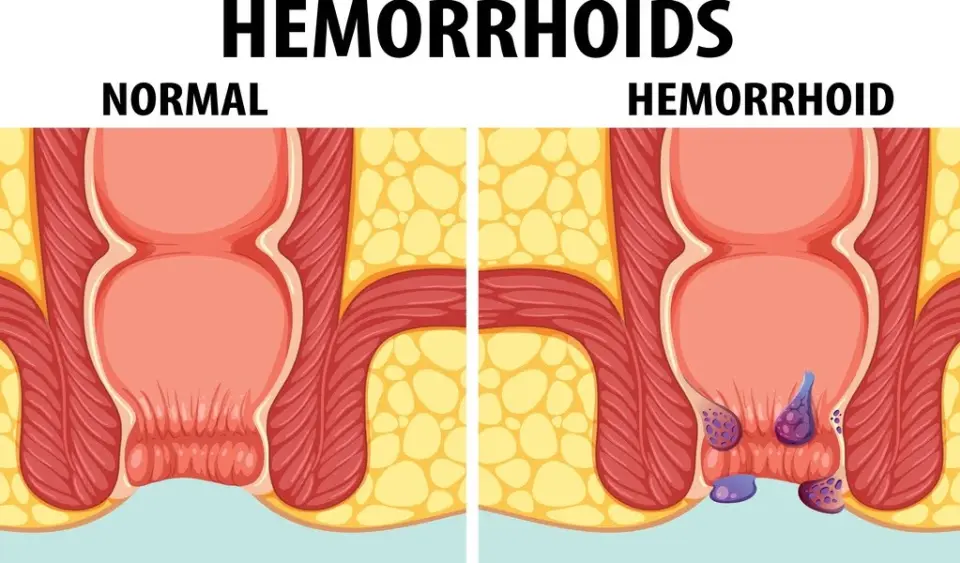
Sometimes, persistent burning may indicate an underlying issue such as hemorrhoids, anal fissures, or infections. If symptoms continue beyond a few days or worsen, it is important to consult a healthcare professional. In some cases, dietary intolerances or gastrointestinal disorders, like irritable bowel syndrome (IBS) or inflammatory bowel disease (IBD), can lead to recurrent diarrhea and associated discomfort. Identifying and addressing these underlying conditions can significantly improve quality of life and reduce the frequency of painful episodes.
4. The Role of Diet in Managing Symptoms
Diet plays a crucial role in managing symptoms associated with diarrhea and the subsequent burning sensation. Incorporating a bland diet, such as the BRAT diet (bananas, rice, applesauce, and toast), can help firm up stools and reduce irritation. Additionally, staying hydrated is essential, as diarrhea can lead to dehydration, which may worsen skin sensitivity. Foods rich in soluble fiber, like oats and psyllium, can also help absorb excess water in the intestines, potentially easing the frequency of bowel movements and providing relief from discomfort.
5. The Psychological Impact of Diarrhea
Beyond the physical discomfort, experiencing frequent diarrhea can take a toll on mental well-being. The anxiety of needing to find a restroom quickly or the embarrassment of potential accidents can lead to stress and social withdrawal. This psychological aspect is often overlooked but can significantly affect a person's quality of life. Engaging in stress-reducing activities, such as mindfulness or yoga, may help manage both the physical symptoms and the emotional strain associated with recurrent gastrointestinal issues.
Why Your Butt Burns from Diarrhea: The Skin Science
When your butt burns from diarrhea, there is a straightforward biological reason: the contents of your intestines are chemically harsh, and diarrhea delivers them at high speed and high volume.
Normal stool passes through the colon slowly, allowing the large intestine to reabsorb water and neutralize much of its acidity. During diarrhea, that process is cut short. Liquid stool reaches the anal canal quickly, carrying bile salts, digestive enzymes, and acidic compounds that the colon did not have time to process. These substances act like a mild chemical irritant on the delicate perianal skin, stripping away its natural lipid barrier with every bowel movement.
Bile Salts and Digestive Enzymes
Bile salts are produced by the liver to help break down fats. They are excellent at dissolving lipids, which is exactly what your skin's protective barrier is made of. When liquid stool containing concentrated bile salts contacts perianal skin repeatedly, it degrades that barrier layer by layer. Digestive enzymes such as proteases and lipases work similarly, literally beginning to digest the skin's surface tissue. The result is redness, rawness, and a burning sensation that can range from a mild sting to sharp pain.
Stool Acidity
The pH of stool rises during episodes of infectious diarrhea or after eating certain foods. Spicy foods, citrus, and high-fat meals can all increase the acidity of what passes through. A lower pH value means more acidic stool, which is more damaging to already-compromised skin. This is why people often notice that certain foods seem to make the post-diarrhea burning much worse.
Friction Makes It Worse
Each time you wipe, you add mechanical friction to already-irritated tissue. Rough or dry toilet paper against inflamed skin accelerates the breakdown of what little barrier is left. Even a single episode of vigorous wiping after a bout of diarrhea can turn mild irritation into an open, painful raw patch.
Understanding this process matters because it shapes the right treatment response. You are not just soothing a surface itch. You are trying to rebuild a chemical barrier, reduce inflammation, and stop further enzyme and acid contact. That is why the most effective remedies, such as zinc oxide creams and sitz baths, work at exactly those levels.
Effective Ways to Soothe a Burning Anus After Diarrhea
Relieving anal burning involves gentle care, hygiene, and sometimes the use of soothing remedies. Below are several strategies that can help alleviate discomfort and promote healing.
Maintain Gentle Hygiene
Keeping the area clean is essential, but it must be done carefully to avoid further irritation. Use warm water to gently rinse the area after bowel movements rather than harsh wiping. Consider using unscented, hypoallergenic wipes or a bidet for a more comfortable clean.
Avoid soaps and products with fragrances or alcohol, as they can dry out and irritate the skin further. Pat the area dry with a soft towel or allow it to air dry to prevent moisture buildup, which can worsen irritation. Additionally, consider using a gentle, pH-balanced cleanser specifically designed for sensitive skin, as this can help maintain the natural barrier of the skin without causing further discomfort.
Apply Soothing Agents
Several over-the-counter products can help reduce burning and inflammation:
Barrier creams and ointments: Zinc oxide or petroleum jelly can protect irritated skin from stool and moisture.
Hydrocortisone creams: These can reduce inflammation but should be used sparingly and under medical advice.
Aloe vera gel: Known for its soothing properties, aloe vera can calm irritated skin.
In addition to these options, natural remedies such as coconut oil can also be beneficial due to their moisturizing and anti-inflammatory properties. Applying a thin layer can provide a protective barrier while promoting healing. Always ensure that any product used is free from additives that could exacerbate the irritation.
Use Warm Sitz Baths
A sitz bath involves sitting in a few inches of warm water for 10 to 15 minutes. This can help soothe the burning sensation, reduce inflammation, and promote healing. Adding Epsom salts to the water may provide additional relief. For an enhanced experience, consider adding a few drops of chamomile or lavender essential oil, both of which are known for their calming effects and can further soothe the skin.
Wear Loose, Breathable Clothing
Opt for cotton underwear and loose-fitting clothes to allow air circulation and reduce moisture buildup around the anus. Avoid synthetic fabrics that trap heat and sweat, which can aggravate irritation. Additionally, consider the use of moisture-wicking fabrics, especially if you are prone to sweating, as these can help keep the area dry and comfortable.
Stay Hydrated and Maintain a Balanced Diet
Drinking plenty of fluids helps prevent dehydration caused by diarrhea and supports overall digestive health. Eating a diet rich in fiber can help normalize bowel movements and reduce the frequency of diarrhea episodes, minimizing irritation over time. Incorporate foods such as bananas, oats, and yogurt, which can be gentle on the digestive system and may help restore balance. Probiotic-rich foods, like kefir and sauerkraut, can also support gut health and improve digestion, further aiding in recovery.
When to Seek Medical Advice
While most cases of anal burning after diarrhea improve with home care, certain symptoms warrant professional evaluation:
Persistent or worsening pain beyond 5-7 days
Bleeding or discharge from the anus
Signs of infection such as swelling, redness, or fever above 101°F
Pus or severe swelling suggesting a possible abscess
Underlying chronic diarrhea or other gastrointestinal symptoms
In these situations, consulting a healthcare provider is important to rule out serious conditions such as infections, hemorrhoids, or inflammatory bowel disease.
Accessing Medical Care Conveniently with Doctronic.ai
For those seeking quick and reliable medical advice without the hassle of in-person visits, Doctronic.ai offers an innovative solution. As the #1 AI Doctor, Doctronic provides free AI doctor visits that synthesize the latest peer-reviewed medical research to give you accurate answers and treatment recommendations in seconds.
Additionally, Doctronic offers affordable telehealth video visits with licensed doctors available 24/7 across all 50 states. This service is especially valuable for individuals experiencing anal burning after diarrhea who need personalized care or prescriptions without delay. Over 10 million people have trusted Doctronic for their healthcare needs, benefiting from its fast, smart, and personal approach to medicine.
Get diarrhea treatment online today
A licensed doctor can review your symptoms and send a prescription to your pharmacy, often the same day.
- $39 video visit
- Insurance accepted
- 4.8 on Trustpilot
Related medications we prescribe
- Imodium loperamide
- Flagyl metronidazole
- Florastor saccharomyces boulardii
- Pedialyte oral rehydration solution
- Loperamide
Tips to Prevent Anal Burning During and After Diarrhea
Prevention is always better than a cure. Here are some practical tips to minimize the risk of anal irritation during episodes of diarrhea:
Practice Proper Hygiene
Use gentle cleaning methods and avoid harsh wiping. Consider using a bidet or moist wipes to reduce friction.
Limit Irritants
Avoid scented soaps, lotions, and toilet paper that can aggravate sensitive skin.
Manage Diarrhea Promptly
Address the cause of diarrhea early with hydration, diet adjustments, and medical care if necessary. This reduces the duration and frequency of bowel movements, limiting irritation.
Wear Comfortable Clothing
Choose breathable fabrics and avoid tight clothing that traps moisture and heat.
Managing Discomfort After Diarrhea
Burning around the anus after diarrhea is an uncomfortable but manageable condition. By understanding the causes and applying gentle hygiene, soothing treatments, and lifestyle adjustments, most people can find relief quickly. However, persistent or severe symptoms should prompt consultation with a healthcare professional.
Thanks to advances in telehealth, accessing expert medical advice has never been easier. Doctronic.ai provides rapid, evidence-based answers and affordable doctor visits from anywhere, making it a convenient resource for those experiencing anal discomfort or any other health concerns.
Taking care of your health with the right knowledge and tools ensures a smoother recovery and improved well-being.
Experience the Future of Personalized Care with Doctronic
If you're seeking relief from the discomfort of a burning anus after diarrhea, Doctronic is here to help. As the #1 AI Doctor, we offer free AI doctor visits that provide you with accurate, evidence-based medical advice in seconds. Our AI is designed to remember you and your health history, ensuring the most personalized care. For added convenience, you can also access our affordable telehealth video visits with licensed doctors, available 24/7 across all 50 states. Don't wait in line or worry about office hours; get the quality care you need, when you need it. Skip the line. Talk to an AI Doctor Now, for free.
Frequently Asked Questions
For most people, anal burning from diarrhea improves within 1 to 3 days once the diarrhea itself resolves and gentle home care begins. Using a barrier cream and sitz baths typically speeds recovery. If burning lasts longer than 5 to 7 days or gets worse, it is worth talking to a doctor to rule out an infection, fissure, or hemorrhoids.
Zinc oxide cream or petroleum jelly are the top choices because they form a physical barrier between irritated skin and stool. For inflammation, over-the-counter hydrocortisone 1% cream can help when used sparingly for no more than 2 to 3 days. Aloe vera gel is a gentler option that soothes irritation without the risk of skin thinning.
Unscented, alcohol-free baby wipes or adult moist wipes are gentler than dry toilet paper and can reduce friction on sore skin. Avoid wipes that contain fragrance, alcohol, or preservatives like methylisothiazolinone, as these can sting and worsen irritation. A bidet or a gentle warm-water rinse is even better if one is available.
Yes, this is very common. Compounds like capsaicin from chili peppers pass through the digestive system largely intact and can directly irritate the anal mucosa on the way out. Acidic or high-fat foods can also increase stool acidity and make the burning sensation more intense. Sticking to a bland diet while recovering from diarrhea helps minimize this effect.
See a doctor if the burning has not improved after 5 to 7 days, or sooner if you notice bright red bleeding, pus or unusual discharge, a fever above 101°F, or significant swelling around the area. These signs can point to an anal fissure, hemorrhoids, an abscess, or an infection that needs prescription treatment. Our AI doctor can help you assess your symptoms quickly and guide you on next steps.
The Bottom Line
Most cases resolve within a few days using gentle cleansing, protective barrier creams, and sitz baths while avoiding further irritation. The key is breaking the cycle of chemical irritation from digestive enzymes while protecting healing tissue. If you're experiencing persistent symptoms or have questions about proper care, Doctronic can provide personalized guidance.
Related articles
Get digestive health advice
Chat Now